
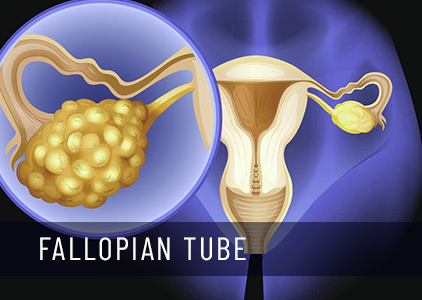
What are the 7 early warning signs of Fallopian tube cancer?
Fallopian tube cancer is a rare type of cancer that starts in the fallopian tubes, which connect the ovaries to the uterus. Early detection of fallopian tube cancer can improve treatment outcomes. Here are some of the early warning signs of fallopian tube cancer:
- Abnormal vaginal bleeding: This may include irregular periods, bleeding between periods, or postmenopausal bleeding.
- Abdominal pain or swelling: Pain or swelling in the abdomen may occur as the tumor grows and presses against surrounding organs.
- Pelvic pain: This may be a dull ache or a sharp pain in the lower abdomen or pelvis.
- Changes in bowel or bladder habits: This may include constipation, diarrhea, or urinary frequency or urgency.
- Feeling full quickly: This may occur due to a tumor pressing on the stomach or other nearby organs.
- Loss of appetite: This may occur due to digestive symptoms or as a side effect of cancer treatment.
- Unexplained weight loss: This may occur as a result of a loss of appetite or due to the cancer itself.
It’s important to note that these symptoms are not specific to fallopian tube cancer and can occur with other conditions as well.
What is the main cause of Fallopian tube cancer?
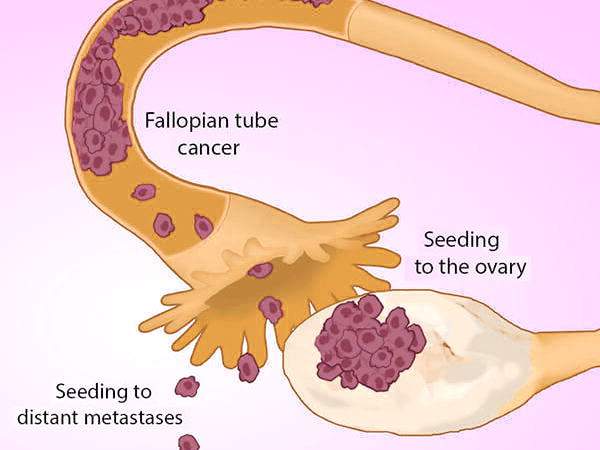
The exact cause of fallopian tube cancer is not well understood, but like many cancers, it likely results from a combination of genetic and environmental factors. Some potential risk factors for developing fallopian tube cancer include:
- Age: The risk of developing fallopian tube cancer increases with age, with most cases occurring in women over the age of 60.
- Inherited genetic mutations: Certain inherited genetic mutations, such as those associated with hereditary breast and ovarian cancer syndrome, can increase the risk of developing fallopian tube cancer.
- Personal or family history of ovarian, breast, or colon cancer: Women with a personal or family history of these cancers may be at increased risk for developing fallopian tube cancer.
- Smoking: Smoking is a known risk factor for several types of cancer, including ovarian cancer, which is closely related to fallopian tube cancer.
- Exposure to certain chemicals: Exposure to certain chemicals, such as talcum powder or asbestos, may increase the risk of developing fallopian tube cancer.
Is Fallopian tube cancer cancer more common than cervical cancer?
Fallopian tube cancer is a rare type of cancer, accounting for less than 1% of all gynecologic cancers. Cervical cancer, on the other hand, is more common, with an estimated 570,000 new cases and 311,000 deaths worldwide in 2018.
Cervical cancer is caused by the human papillomavirus (HPV), a sexually transmitted infection, and can often be prevented through HPV vaccination and regular cervical cancer screening. In contrast, the exact causes of fallopian tube cancer are not well understood, and there are currently no widely recommended screening tests for the disease.
Can Fallopian tube cancer be prevented?
There is no sure way to prevent fallopian tube cancer, but there are some steps that may reduce the risk of developing the disease:
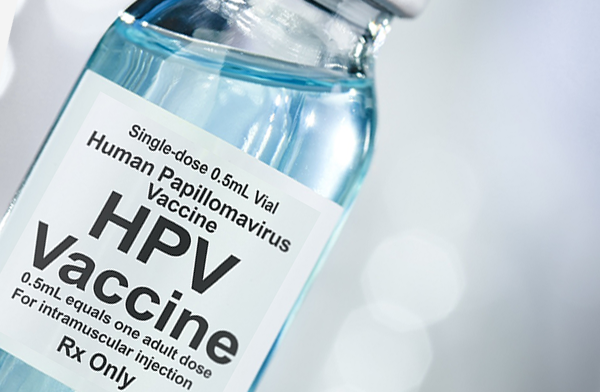
- HPV vaccination: The human papillomavirus (HPV) is a sexually transmitted infection that can cause cervical cancer and may also be a risk factor for fallopian tube cancer. Getting vaccinated against HPV can reduce the risk of developing both types of cancer.
- Use of contraception: Women who use hormonal contraception, such as birth control pills, have a lower risk of developing ovarian and fallopian tube cancers.
- Tubal ligation: A tubal ligation, or surgical sterilization, may reduce the risk of developing fallopian tube cancer, although this is not a recommended strategy for cancer prevention alone.
- Removal of ovaries and fallopian tubes: Women who are at high risk of developing ovarian or breast cancer due to inherited genetic mutations, such as BRCA1 or BRCA2, may choose to have their ovaries and fallopian tubes removed to reduce their cancer risk.
Fallopian Tube Cancer Treatment
The most common treatments for fallopian tube cancer include:
- Surgery: Surgery is the primary treatment for fallopian tube cancer. It involves removing as much of the cancer as possible through surgery, which may include removing one or both fallopian tubes and ovaries, and the uterus. In some cases, nearby lymph nodes and other tissues may also be removed. The goal of surgery is to remove all visible cancer and stage the cancer for further treatment.
- Chemotherapy: Chemotherapy is a treatment that uses drugs to kill cancer cells throughout the body. Chemotherapy may be used before or after surgery to shrink the tumor, destroy remaining cancer cells, or prevent the cancer from returning. Chemotherapy is usually given in cycles, with a period of treatment followed by a period of rest.
- Radiation therapy: Radiation therapy is a treatment that uses high-energy radiation to kill cancer cells. Radiation therapy may be used in rare cases of advanced fallopian tube cancer to relieve symptoms such as pain or to shrink tumors.
How long can you live with Fallopian tube cancer?
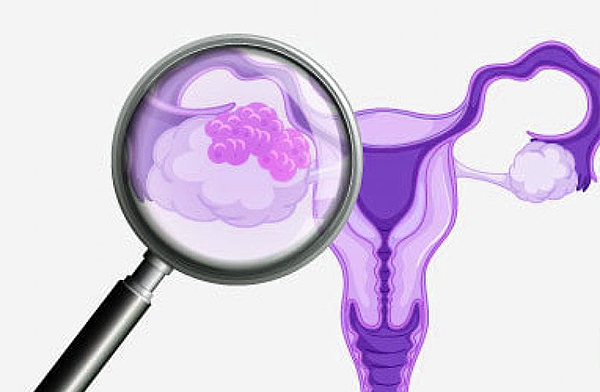
Unfortunately, fallopian tube cancer is often diagnosed at an advanced stage, which can make treatment more difficult and may reduce the chances of a favorable outcome. The 5-year survival rate for fallopian tube cancer varies depending on the stage of the cancer at diagnosis, but overall, it is estimated to be around 40-50%.
Pain medication for Fallopian tube cancer
In general, pain management for cancer involves a multi-disciplinary approach, with the use of medications, complementary therapies, and supportive care as needed.
Some common pain medications used for cancer pain include:
- Nonsteroidal anti-inflammatory drugs (NSAIDs): These drugs, such as ibuprofen and naproxen, can help relieve mild to moderate pain.
- Opioids: Stronger pain medications, such as morphine and oxycodone, may be prescribed for more severe pain.
- Corticosteroids: These drugs, such as prednisone and dexamethasone, can help reduce inflammation and swelling, which can be a source of pain in some cancer patients.
- Antidepressants and anticonvulsants: These medications may be used to treat neuropathic pain, which is caused by damage to the nerves.