
What are the 5 first warning signs of asthma?
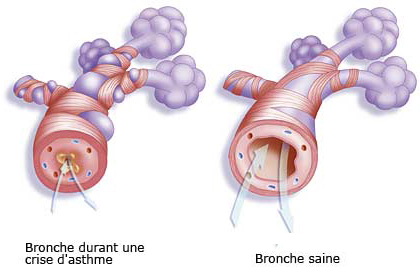
Asthma is a chronic respiratory condition that can cause inflammation and narrowing of the airways, making it difficult to breathe. The first warning signs of asthma can vary from person to person, but some common symptoms include:
- Wheezing: This is a high-pitched whistling sound that is usually heard when breathing out.
- Shortness of breath: You may feel like you can’t catch your breath or take a deep breath.
- Chest tightness: You may feel like someone is sitting on your chest or squeezing it.
- Coughing: A cough that won’t go away or gets worse at night can be a sign of asthma.
- Difficulty breathing: You may have to work harder to breathe, or feel like you’re not getting enough air.
It’s important to note that these symptoms can also be caused by other conditions, such as allergies or a respiratory infection. If you experience any of these symptoms on a regular basis, it’s important to see a healthcare provider for an evaluation and proper diagnosis. Early diagnosis and treatment can help prevent asthma attacks and improve quality of life.
What are the main 6 types of asthma?
There are several types of asthma, including:
- Allergic asthma: This type of asthma is triggered by exposure to allergens such as dust mites, pet dander, pollen, or mold.
- Non-allergic asthma: This type of asthma is triggered by factors such as exercise, cold air, stress, or irritants like smoke, pollution, or strong odors.
- Occupational asthma: This type of asthma is triggered by exposure to specific substances in the workplace, such as chemicals, dust, or fumes.
- Exercise-induced bronchoconstriction (EIB): This is a type of asthma that is triggered by physical activity, such as running or other forms of exercise.
- Aspirin-induced asthma: This type of asthma is triggered by taking aspirin or nonsteroidal anti-inflammatory drugs (NSAIDs), such as ibuprofen or naproxen.
- Cough-variant asthma: This type of asthma primarily causes a chronic cough, rather than the classic asthma symptoms of wheezing and shortness of breath.

It’s important to note that some people with asthma may have a combination of these types, and some people’s asthma may change over time. A healthcare provider can help determine the type of asthma and the best treatment plan based on an individual’s symptoms and triggers.
Is asthma is a serious disease?
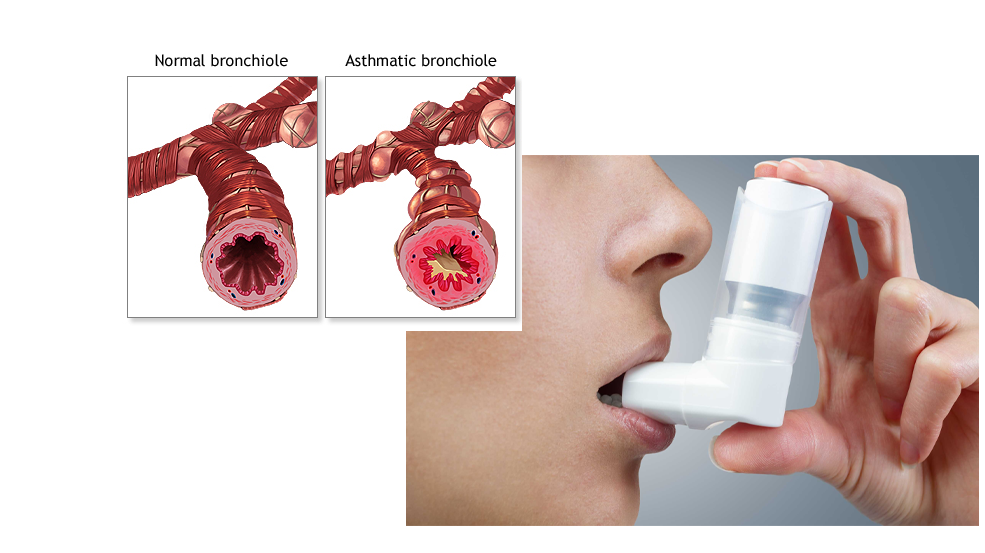
Asthma is a serious disease that can significantly impact an individual’s quality of life if left untreated or uncontrolled. The condition causes inflammation and narrowing of the airways, which can make it difficult to breathe and lead to symptoms such as wheezing, shortness of breath, coughing, and chest tightness.
Asthma can also lead to severe exacerbations or attacks, which can be life-threatening if not promptly and properly treated. During an asthma attack, the airways become even more narrowed, making it extremely difficult to breathe. Symptoms may worsen rapidly, and it’s important to seek medical attention immediately if an individual experiences severe symptoms, such as extreme shortness of breath or difficulty speaking.
Fortunately, asthma can usually be effectively managed with appropriate treatment, which may include medication, lifestyle changes, and avoidance of triggers. With proper management, most people with asthma can lead active, healthy lives and prevent severe exacerbations or attacks. It’s important for individuals with asthma to work closely with their healthcare provider to develop an individualized treatment plan and monitor their symptoms regularly.
Can asthma cause sudden death?
In rare cases, asthma can cause sudden death, which is known as fatal asthma. Fatal asthma is typically the result of a severe asthma attack that is not promptly and properly treated. During a severe asthma attack, the airways become even more narrowed, making it extremely difficult to breathe. This can lead to a lack of oxygen in the body and a dangerous drop in blood pressure.
Several factors can increase the risk of fatal asthma, including not taking asthma medication as prescribed, delay in seeking medical treatment during an asthma attack, a history of severe asthma attacks or hospitalizations, and a history of prior intubation for asthma.

However, it’s important to note that fatal asthma is relatively rare, and most people with asthma can effectively manage their condition with appropriate treatment. With proper management, the risk of severe exacerbations and fatal asthma can be significantly reduced. It’s important for individuals with asthma to work closely with their healthcare provider to develop an individualized treatment plan and monitor their symptoms regularly to prevent severe asthma attacks and minimize the risk of complications.
What are 5 treatments for asthma?
The treatment for asthma depends on the severity of the condition and the individual’s specific symptoms and triggers. The goal of treatment is to manage symptoms, prevent asthma attacks, and improve overall quality of life. Some common treatments for asthma include:
- Inhaled bronchodilators: These are medications that help to open up the airways and relieve symptoms such as wheezing, shortness of breath, and coughing. They are typically delivered via an inhaler or nebulizer and can be short-acting or long-acting.
- Inhaled corticosteroids: These are medications that help to reduce inflammation in the airways and prevent asthma attacks. They are typically taken daily to prevent symptoms from occurring and are often used in combination with bronchodilators.
- Combination inhalers: These are medications that contain both a bronchodilator and a corticosteroid in one inhaler.
- Oral medications: These are medications that are taken by mouth and can include corticosteroids or leukotriene modifiers.
- Immunomodulators: These are medications that work to regulate the immune system and may be used for severe or difficult-to-control asthma.
In addition to medication, lifestyle changes such as avoiding triggers, regular exercise, and maintaining a healthy weight can also help to manage asthma symptoms. It’s important for individuals with asthma to work closely with their healthcare provider to develop an individualized treatment plan and monitor their symptoms regularly to ensure that their asthma is properly controlled.
What should you not eat if you have asthma?
There is no specific diet that people with asthma need to follow, and there are no foods that are universally considered harmful for people with asthma. However, certain foods and dietary factors may trigger asthma symptoms in some people. These can include:
- Sulfites: Sulfites are a type of preservative commonly found in wine, dried fruit, and some processed foods. Some people with asthma may be sensitive to sulfites and experience symptoms such as wheezing, shortness of breath, and coughing after consuming them.
- Food additives: Some food additives, such as monosodium glutamate (MSG) and artificial food colors, may trigger asthma symptoms in some people.
- High-fat foods: Some research suggests that a high-fat diet may increase inflammation in the airways, which can worsen asthma symptoms.
- Dairy products: Some people with asthma may be sensitive to dairy products, which can cause inflammation in the airways and trigger asthma symptoms.
- Foods that cause acid reflux: Acid reflux can irritate the airways and trigger asthma symptoms. Some people with asthma may need to avoid foods that commonly cause acid reflux, such as spicy or fatty foods, chocolate, and caffeine.
It’s important to note that not all people with asthma will experience symptoms from these foods, and triggers can vary widely from person to person. It’s recommended that people with asthma keep a food diary to track what they eat and any symptoms they experience to help identify potential triggers. If you have concerns about your diet and asthma symptoms, it’s a good idea to talk to a healthcare provider or a registered dietitian for personalized advice.
Can asthma be fully cured?
Currently, there is no cure for asthma. However, with appropriate treatment and management, most people with asthma can effectively control their symptoms and prevent severe exacerbations or attacks. The goal of asthma treatment is to reduce inflammation in the airways, prevent asthma triggers, and improve overall lung function.
Medications such as inhaled bronchodilators and inhaled corticosteroids can be highly effective in controlling asthma symptoms and preventing attacks. In addition, lifestyle changes such as avoiding asthma triggers, maintaining a healthy weight, and regular exercise can also help to manage asthma symptoms.
It’s important for people with asthma to work closely with their healthcare provider to develop an individualized treatment plan and monitor their symptoms regularly. With proper management, most people with asthma can lead active, healthy lives and prevent severe exacerbations or attacks. However, it’s important to note that asthma can be a lifelong condition, and ongoing treatment and management are usually necessary to keep symptoms under control.
What helps asthma go away?
Asthma is a chronic condition, and there is currently no cure for it. However, there are a number of treatments that can help manage asthma symptoms and prevent asthma attacks. Some things that can help alleviate asthma symptoms and prevent attacks include:
- Taking asthma medications as prescribed: There are several types of medications used to treat asthma, including bronchodilators, corticosteroids, and combination inhalers. Taking these medications as prescribed by a healthcare provider can help control inflammation in the airways and keep airways open, reducing the likelihood of asthma symptoms and attacks.
- Avoiding asthma triggers: Common asthma triggers include pollen, dust mites, pet dander, and cigarette smoke. Avoiding these triggers as much as possible can help prevent asthma symptoms and attacks.
- Monitoring symptoms: It’s important to pay attention to asthma symptoms and report them to a healthcare provider. This can help identify when symptoms are getting worse and when changes to treatment may be necessary.
- Regular exercise: Regular exercise can help improve lung function and overall fitness, which can help manage asthma symptoms.
- Maintaining a healthy weight: Being overweight or obese can make asthma symptoms worse. Maintaining a healthy weight can help improve overall lung function and reduce the likelihood of asthma symptoms and attacks.

While asthma is a chronic condition, appropriate treatment and management can help control symptoms and prevent severe exacerbations or attacks. It’s important for people with asthma to work closely with their healthcare provider to develop an individualized treatment plan and monitor their symptoms regularly
At what age can a child get asthma?
Asthma can develop at any age, including in childhood. In fact, asthma is one of the most common chronic diseases in children, affecting about 1 in 10 children in the United States.
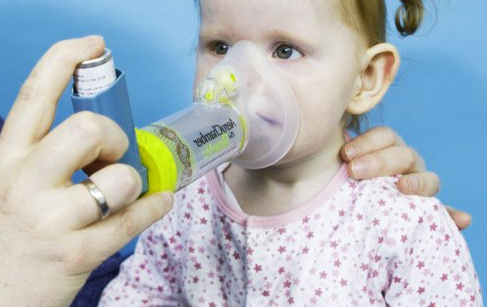
Asthma is more likely to develop in children who have a family history of asthma, allergies, or other respiratory conditions. Other risk factors for childhood asthma include exposure to environmental factors such as secondhand smoke, air pollution, and respiratory infections.
The symptoms of asthma in children can vary, and can include coughing, wheezing, shortness of breath, and chest tightness. Some children may experience symptoms only during physical activity or at night, while others may have symptoms more frequently.
If you suspect that your child may have asthma, it’s important to talk to their healthcare provider. A healthcare provider can perform tests to diagnose asthma and develop an individualized treatment plan to help manage your child’s symptoms and prevent severe exacerbations or attacks. With proper treatment and management, most children with asthma can lead active, healthy lives.
What foods help your asthma?
There is no specific diet that can cure or completely prevent asthma. However, some research suggests that certain foods may help improve lung function and reduce inflammation in the airways, which can help alleviate asthma symptoms. Some of these foods include:
- Fruits and vegetables: Fruits and vegetables are rich in antioxidants, which can help reduce inflammation in the airways. Some fruits and vegetables that may be particularly beneficial for people with asthma include apples, carrots, oranges, and tomatoes.
- Omega-3 fatty acids: Omega-3 fatty acids, which are found in fatty fish such as salmon, mackerel, and tuna, as well as in flaxseed and walnuts, may help reduce inflammation in the airways and improve lung function.
- Vitamin D: Some research suggests that low levels of vitamin D may be linked to an increased risk of asthma. Foods that are high in vitamin D include fatty fish, egg yolks, and fortified foods such as milk and orange juice.
- Magnesium: Magnesium is a mineral that may help relax the muscles in the airways and improve lung function. Foods that are high in magnesium include leafy green vegetables, nuts, and whole grains.

It’s important to note that these foods may not work for everyone, and triggers can vary widely from person to person. If you have concerns about your diet and asthma symptoms, it’s a good idea to talk to a healthcare provider or a registered dietitian for personalized advice.