

What are 9 symptoms of sleep apnea?
Sure, here are some more details on the symptoms of sleep apnea:
- Loud and chronic snoring: This is often the most noticeable symptom of sleep apnea, and it is caused by the partial obstruction of the airway while sleeping.
- Pauses in breathing or gasping during sleep: People with sleep apnea may experience brief periods (10 seconds or longer) of interrupted breathing during sleep. They may also gasp for air or choke during these pauses.
- Waking up with a dry mouth or sore throat: Since breathing is interrupted during sleep, some people with sleep apnea may wake up with a dry mouth or sore throat.
- Daytime fatigue and sleepiness: Interrupted sleep can lead to excessive daytime sleepiness and fatigue, which can interfere with daily activities and work performance.
- Difficulty staying asleep or waking up frequently during the night: Sleep apnea can disrupt the normal sleep cycle, causing people to wake up frequently during the night or have difficulty staying asleep.
- Morning headaches: Decreased oxygen levels and increased carbon dioxide levels during sleep can cause headaches upon waking up.
- Difficulty paying attention or focusing during the day: Sleep apnea can interfere with cognitive function, making it difficult to concentrate or stay alert during the day.
- Irritability or mood changes: Sleep apnea can lead to irritability, mood swings, and even depression due to the effects of disrupted sleep on the body and mind.
- Decreased libido or impotence: Sleep apnea has been linked to decreased sex drive and erectile dysfunction in men.
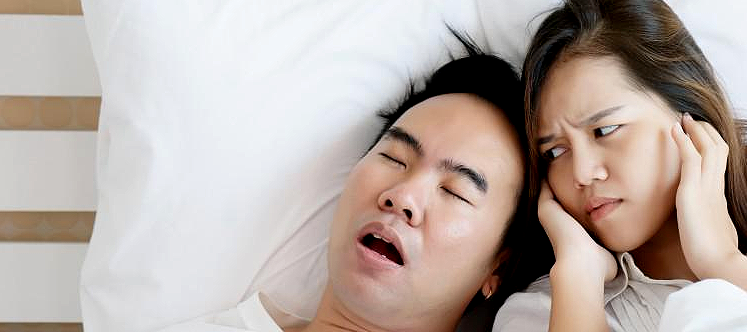
It is important to note that not everyone with sleep apnea will experience all of these symptoms, and the severity of symptoms can vary.
What are 7 causes of sleep apnea?
Sleep apnea is caused by the partial or complete obstruction of the airway during sleep, which leads to interrupted breathing and decreased oxygen levels in the body. There are three main types of sleep apnea:
- Obstructive sleep apnea (OSA): This is the most common type of sleep apnea and is caused by a physical blockage of the airway, usually due to relaxed throat muscles or excess tissue in the throat.
- Central sleep apnea (CSA): This type of sleep apnea is less common and is caused by a failure of the brain to signal the muscles to breathe during sleep.
- Complex sleep apnea syndrome (CSAS): This type of sleep apnea is a combination of both OSA and CSA.
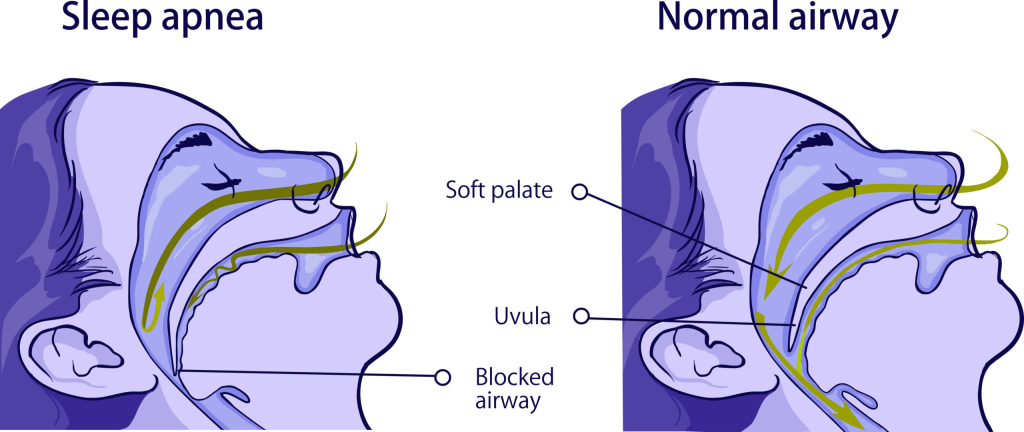
There are several factors that can increase the risk of developing sleep apnea, including:
- Obesity: People who are overweight or obese are more likely to develop sleep apnea due to the excess tissue in the throat that can obstruct the airway.
- Age: Sleep apnea is more common in older adults, possibly due to the natural aging process that can lead to weakened throat muscles.
- Gender: Men are more likely to develop sleep apnea than women, although the risk for women increases after menopause.
- Family history: Sleep apnea can run in families, suggesting a genetic component to the condition.
- Smoking: Smoking can cause inflammation and fluid retention in the upper airway, which can increase the risk of sleep apnea.
- Alcohol and sedative use: These substances can relax the muscles in the throat, making it more likely for the airway to become obstructed during sleep.
- Medical conditions: Certain medical conditions, such as high blood pressure, heart disease, and diabetes, can increase the risk of sleep apnea.
Can sleep apnea cause sudden death?

Although it is rare, sleep apnea has been associated with an increased risk of sudden death in certain cases. Sudden death related to sleep apnea is usually associated with severe untreated cases of sleep apnea, particularly if the person has other underlying health problems or risk factors.
There are several mechanisms by which sleep apnea can potentially lead to sudden death. One of the primary risks associated with sleep apnea is the intermittent hypoxia (lack of oxygen) and hypercapnia (elevated carbon dioxide) that occurs as a result of repeated pauses in breathing during sleep. This can lead to a number of physiological changes, including an increase in blood pressure, heart rate, and arrhythmias, which can put additional stress on the cardiovascular system.
In severe cases of sleep apnea, particularly when left untreated, the repeated episodes of hypoxia and hypercapnia can increase the risk of developing or worsening cardiovascular disease, which can ultimately lead to sudden death. For example, sleep apnea has been associated with an increased risk of heart failure, heart attack, and stroke, all of which can be life-threatening.
What is the 6 treatment for sleep apnea?
The goal of treatment is to improve breathing during sleep, increase oxygen levels in the body, and reduce the symptoms of sleep apnea. Here are some common treatments for sleep apnea:
- Continuous Positive Airway Pressure (CPAP) Therapy: This is the most common and effective treatment for moderate to severe sleep apnea. It involves wearing a mask over the nose or mouth while sleeping, which delivers a constant stream of air pressure to keep the airway open.
- Oral Appliances: These devices are custom-made by a dentist or orthodontist and can help to keep the airway open by repositioning the jaw or tongue.
- Surgery: In some cases, surgery may be recommended to remove excess tissue from the throat or to correct structural abnormalities that are causing the airway obstruction.
- Lifestyle Changes: Losing weight, quitting smoking, and avoiding alcohol and sedatives can all help to reduce the severity of sleep apnea.
- Positional Therapy: Sleeping in certain positions, such as on the side instead of the back, can help to reduce the severity of sleep apnea.
- Bi-level Positive Airway Pressure (BiPAP) Therapy: Similar to CPAP therapy, BiPAP therapy delivers different air pressure levels during inhalation and exhalation to help make breathing easier for some people with sleep apnea.
Some devices for sleep apnea
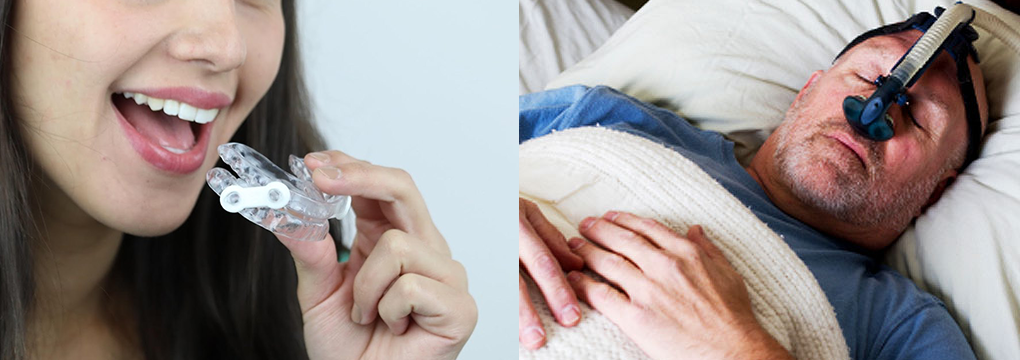
There are various sleep apnea devices available to treat sleep apnea, including:
- Continuous Positive Airway Pressure (CPAP) Machine: This machine delivers a continuous stream of air pressure to keep the airway open during sleep, preventing sleep apnea events. It is the most common and effective treatment for sleep apnea.
- Bilevel Positive Airway Pressure (BiPAP) Machine: This machine delivers two different levels of air pressure, one for inhaling and another for exhaling. It’s often recommended for people who have trouble tolerating CPAP therapy.
- Automatic Positive Airway Pressure (APAP) Machine: This machine automatically adjusts the air pressure to the minimum needed to keep the airway open during sleep. It’s often recommended for people who have variable breathing patterns during sleep.
- Oral Appliances: These are custom-made devices worn in the mouth that help keep the airway open by repositioning the jaw and tongue during sleep.
- Positional Therapy Devices: These devices are worn during sleep to prevent sleeping in positions that trigger sleep apnea events, such as sleeping on the back.
- Expiratory Positive Airway Pressure (EPAP) Devices: These devices use small valves to create resistance during exhalation, which helps keep the airway open during sleep.
- Adaptive Servo-Ventilation (ASV) Machine: This machine monitors breathing patterns and delivers pressure support as needed to maintain normal breathing.
7 Home Remedies for Sleep Apnea

While home remedies may not be a substitute for professional medical treatment, there are some lifestyle changes that can help to reduce the severity of sleep apnea symptoms. Here are some home remedies that may be beneficial:
- Weight loss: If you are overweight or obese, losing weight may help to reduce the amount of excess tissue in the throat that can cause airway obstruction during sleep.
- Regular exercise: Engaging in regular physical activity can help to improve overall health and reduce the severity of sleep apnea symptoms.
- Sleeping position: Sleeping on your side instead of your back may help to reduce the frequency and severity of sleep apnea episodes.
- Avoiding alcohol and sedatives: Alcohol and sedatives can relax the muscles in the throat, making it more likely for the airway to become obstructed during sleep.
- Quitting smoking: Smoking can cause inflammation and fluid retention in the upper airway, which can increase the risk of sleep apnea.
- Nasal decongestants: If nasal congestion is contributing to sleep apnea, using a nasal decongestant before bed may help to open up the airway and improve breathing during sleep.
- Humidifiers: Using a humidifier in the bedroom can help to keep the air moist, which can reduce congestion and make it easier to breathe during sleep.