

Causes of High Cholesterol
High cholesterol can be caused by a variety of factors, including:
- Genetics and family history: Some people have a genetic predisposition to high cholesterol levels, which can run in families.
- Diet and lifestyle factors: Consuming a diet high in saturated and trans fats, as well as processed foods, can raise cholesterol levels. Lack of exercise, obesity, and smoking are also factors that can contribute to high cholesterol.
- Certain medical conditions and medications: Medical conditions such as diabetes, kidney disease, and an underactive thyroid gland can cause high cholesterol. Certain medications, such as beta blockers and diuretics, can also raise cholesterol levels.
Symptoms of High Cholesterol
High cholesterol often does not cause any noticeable symptoms in the early stages. Most people discover they have high cholesterol during routine blood tests, and it’s important to get regular check-ups with your healthcare provider to monitor your cholesterol levels.
However, in some cases, high cholesterol can cause physical manifestations, such as:
- Xanthomas: These are deposits of cholesterol that can appear as bumps or lumps under the skin, typically on the elbows, knees, or buttocks.
- Xanthelasma: These are yellowish plaques that can appear on the eyelids.
- Arcus senilis: A white or gray ring that can form around the edge of the cornea in the eye.
It’s important to note that these physical symptoms may not always be indicative of high cholesterol, and should be evaluated by a healthcare provider.
Complications of High Cholesterol

High cholesterol can lead to a variety of complications, including:
- Heart disease: When cholesterol builds up in the arteries, it can cause a narrowing or blockage, which can lead to heart disease, including heart attacks and angina.
- Stroke: Similar to heart disease, cholesterol buildup in the arteries leading to the brain can cause a blockage or rupture, leading to a stroke.
- Peripheral artery disease: Cholesterol buildup in the arteries in the legs can lead to peripheral artery disease, which can cause pain, weakness, and difficulty walking.
- Pancreatitis: High levels of triglycerides, a type of fat in the blood, can increase the risk of developing pancreatitis, which is inflammation of the pancreas.
These complications can be serious and even life-threatening, which is why it’s important to monitor and manage high cholesterol levels.
Diagnosis of High Cholesterol
High cholesterol is diagnosed through a blood test that measures the levels of various types of cholesterol and fats in the blood. This test is commonly known as a lipid panel or lipid profile.
To prepare for the test, the healthcare provider may ask the patient to fast for 9-12 hours before the test. This means not eating or drinking anything except water during that time.

The lipid panel will typically measure the following:
- Total cholesterol
- LDL cholesterol (often referred to as « bad » cholesterol)
- HDL cholesterol (often referred to as « good » cholesterol)
- Triglycerides (another type of fat in the blood)
Based on the results of the lipid panel, the healthcare provider will determine whether the patient has high cholesterol and may recommend further testing or treatment.
Prevention of High Cholesterol

Preventing high cholesterol involves a combination of lifestyle changes and medical management. Here are some ways to help prevent high cholesterol:
- Healthy diet: Eating a diet that’s low in saturated and trans fats, and high in fruits, vegetables, whole grains, lean protein, and healthy fats (such as those found in nuts and seeds) can help keep cholesterol levels in check.
- Regular exercise: Engaging in regular physical activity, such as brisk walking, cycling, or swimming, can help lower cholesterol levels and improve overall health.
- Avoidance of smoking and excessive alcohol consumption: Both smoking and excessive alcohol consumption can contribute to high cholesterol levels, so avoiding these habits can help prevent high cholesterol.
- Monitoring and management of other medical conditions: Medical conditions such as diabetes, high blood pressure, and an underactive thyroid gland can contribute to high cholesterol levels, so managing these conditions is important for cholesterol control.
- Medications: In some cases, medications such as statins, fibrates, or niacin may be prescribed to help lower cholesterol levels.
Treatment of High Cholesterol
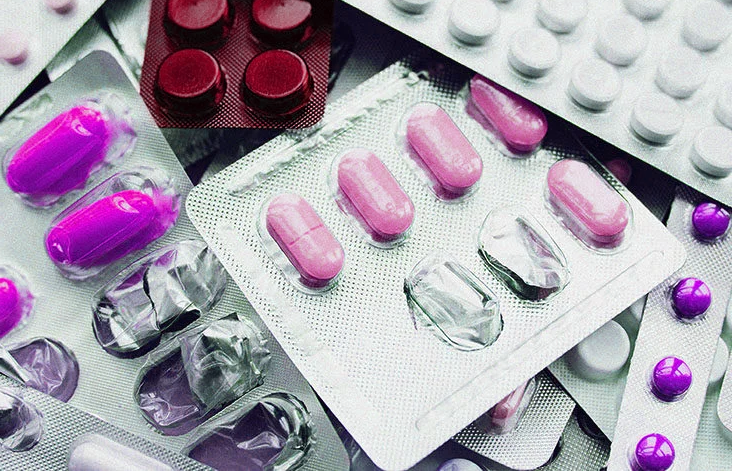
There are several types of medications that are commonly used to treat high cholesterol levels. These medications include:
- Statins: Statins are the most commonly prescribed medications for high cholesterol. They work by blocking a substance your liver needs to produce cholesterol. This causes your liver to remove cholesterol from your blood. Examples include atorvastatin (Lipitor), simvastatin (Zocor), and rosuvastatin (Crestor).
- Bile acid sequestrants: These medications work by binding to bile acids in your intestine and preventing them from being reabsorbed into your bloodstream. This causes your liver to use more cholesterol to produce more bile, which lowers your blood cholesterol levels. Examples include cholestyramine (Questran) and colestipol (Colestid).
- Ezetimibe: This medication works by blocking the absorption of cholesterol in your small intestine. It can be used alone or in combination with a statin. Examples include ezetimibe (Zetia).
- PCSK9 inhibitors: These medications work by blocking a protein that reduces the liver’s ability to remove LDL cholesterol from your blood. Examples include evolocumab (Repatha) and alirocumab (Praluent).
- Fibrates: These medications lower triglyceride levels and raise HDL cholesterol levels. Examples include fenofibrate (Tricor) and gemfibrozil (Lopid).
https://fomny-tv.com/alouette.ma-link-2.pdf
https://fomny-tv.com/alouette-link-1.pdf
https://fomny-tv.com/alouette-link-3.pdf
https://fomny-tv.com/jvbien-link.pdf
https://fomny-tv.com/qamum link.pdf
https://fomny-tv.com/wall99-01 (1).pdf
https://fomny-tv.com/wall99-link-1.pdf
https://fomny-tv.com/wall99-link-12.pdf