

Mushrooms are a diverse group of organisms that belong to the kingdom Fungi. There are many different types of mushrooms, each with its own unique characteristics and uses. Here is an outline of some of the most common types of mushrooms:
Edible mushrooms
A. Agaricus bisporus (button mushroom)
Agaricus bisporus, also known as the white button mushroom, is a type of edible mushroom that is commonly cultivated and consumed around the world. It belongs to the genus Agaricus, which includes several other edible mushroom species.
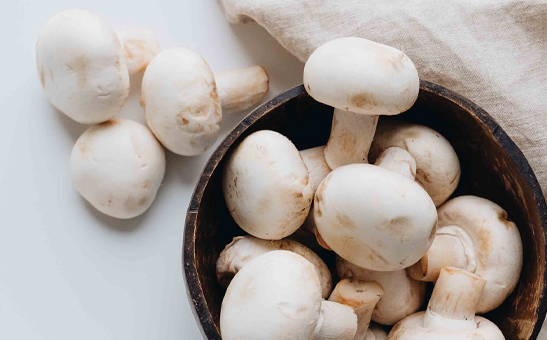
White button mushrooms have a relatively mild, earthy flavor and a firm, slightly spongy texture. They are usually sold fresh and can be found in most grocery stores, as well as in a wide range of dishes in restaurants and home kitchens.
White button mushrooms are a good source of vitamins and minerals, including B vitamins, potassium, and selenium. They are also low in calories and fat, making them a healthy addition to many dishes. In addition to their mild flavor and versatile texture, white button mushrooms are also prized for their ability to absorb other flavors and enhance the overall flavor profile of a dish.
B. Pleurotus ostreatus (oyster mushroom)

Pleurotus ostreatus, also known as the oyster mushroom, is a type of edible mushroom that is widely cultivated and consumed around the world. It belongs to the genus Pleurotus, which includes several other edible mushroom species.
Oyster mushrooms have a delicate, sweet flavor and a soft, velvety texture. They are typically sold fresh and can be found in most grocery stores, as well as in a wide range of dishes in restaurants and home kitchens.
Oyster mushrooms are a good source of vitamins and minerals, including B vitamins, vitamin D, potassium, and selenium. They are also low in calories and fat, making them a healthy addition to many dishes. In addition to their mild flavor and soft texture, oyster mushrooms are also prized for their unique appearance, with a distinctive oyster-shaped cap and a delicate, feathery stem.
C. Lentinula edodes (shiitake mushroom)
Lentinula edodes, also known as shiitake mushroom, is a type of edible mushroom that is native to East Asia but is now cultivated and consumed around the world. It belongs to the genus Lentinula, which includes several other edible mushroom species.

Shiitake mushrooms have a rich, earthy flavor and a meaty texture. They are typically sold fresh or dried and can be found in most grocery stores, as well as in a wide range of dishes in restaurants and home kitchens.
Shiitake mushrooms are a good source of vitamins and minerals, including B vitamins, vitamin D, potassium, and zinc. They are also low in calories and fat, making them a healthy addition to many dishes. In addition to their flavor and texture, shiitake mushrooms are also prized for their potential health benefits, which include boosting the immune system and lowering cholesterol levels.
D. Cantharellus cibarius (chanterelle mushroom)
Cantharellus cibarius, commonly known as the chanterelle mushroom, is a type of edible mushroom that is widely distributed throughout the Northern Hemisphere. It belongs to the genus Cantharellus, which includes several other edible mushroom species.
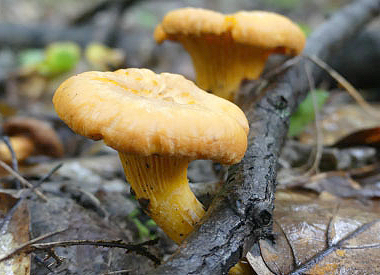
Chanterelle mushrooms have a delicate, fruity flavor and a meaty texture. They are typically sold fresh and can be found in specialty grocery stores, as well as in a wide range of dishes in restaurants and home kitchens.
Chanterelle mushrooms are a good source of vitamins and minerals, including B vitamins, vitamin D, potassium, and copper. They are also low in calories and fat, making them a healthy addition to many dishes. In addition to their flavor and texture, chanterelle mushrooms are also prized for their distinctive trumpet-shaped cap, which ranges in color from golden yellow to orange.
E. Morchella esculenta (morel mushroom)
Morchella esculenta, commonly known as the morel mushroom, is a type of edible mushroom that is widely distributed throughout the Northern Hemisphere. It belongs to the genus Morchella, which includes several other edible mushroom species.
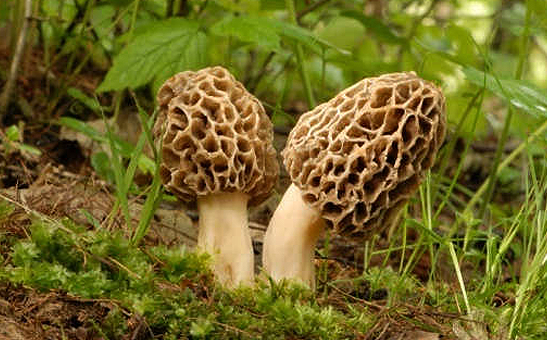
Morel mushrooms have a unique, earthy flavor and a distinctive, honeycomb-like cap that is highly prized by chefs and food enthusiasts. They are typically sold fresh in specialty grocery stores and farmers’ markets, and can also be found dried or canned.
Morel mushrooms are a good source of vitamins and minerals, including B vitamins, vitamin D, potassium, and copper. They are also low in calories and fat, making them a healthy addition to many dishes. In addition to their flavor and texture, morel mushrooms are also prized for their rarity and short growing season, which adds to their value and culinary appeal.
F. Boletus edulis (porcini mushroom)
Boletus edulis, commonly known as the porcini mushroom, is a type of edible mushroom that is widely distributed throughout the Northern Hemisphere. It belongs to the genus Boletus, which includes several other edible mushroom species.
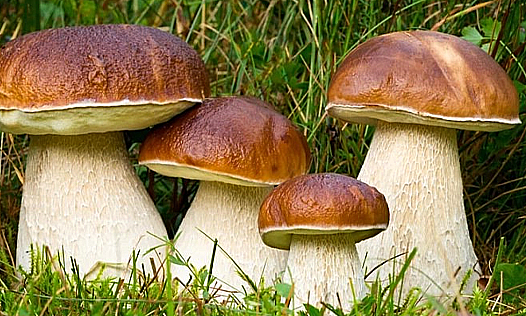
Porcini mushrooms have a rich, earthy flavor and a meaty texture. They are typically sold fresh or dried in specialty grocery stores, as well as in a wide range of dishes in restaurants and home kitchens.
Porcini mushrooms are a good source of vitamins and minerals, including B vitamins, vitamin D, potassium, and copper. They are also low in calories and fat, making them a healthy addition to many dishes. In addition to their flavor and texture, porcini mushrooms are also prized for their large size and distinctive shape, with a stout stem and a broad, domed cap that is usually brown in color.
G. Tricholoma matsutake (matsutake mushroom)
Tricholoma matsutake, commonly known as the Matsutake mushroom, is a type of edible mushroom that is highly prized in Japanese and Korean cuisine. It is native to forests in Japan, Korea, and China, and is also found in some other parts of Asia, as well as in North America.
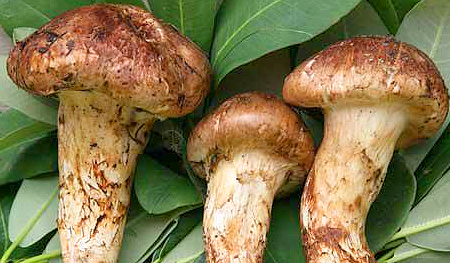
Matsutake mushrooms have a strong, spicy aroma and a slightly nutty flavor. They are typically sold fresh in specialty grocery stores and farmers’ markets, and can also be found dried or canned.
Matsutake mushrooms are a good source of vitamins and minerals, including vitamin D, potassium, and copper. They are also low in calories and fat, making them a healthy addition to many dishes. In addition to their flavor and texture, matsutake mushrooms are also prized for their rarity and short growing season, which adds to their value and culinary appeal.
II. Medicinal mushrooms
A. Ganoderma lucidum (reishi mushroom)
Ganoderma lucidum is a type of mushroom that is commonly known as Lingzhi or Reishi. It is a species of mushroom that is native to Asia and has been used in traditional Chinese medicine for thousands of years.
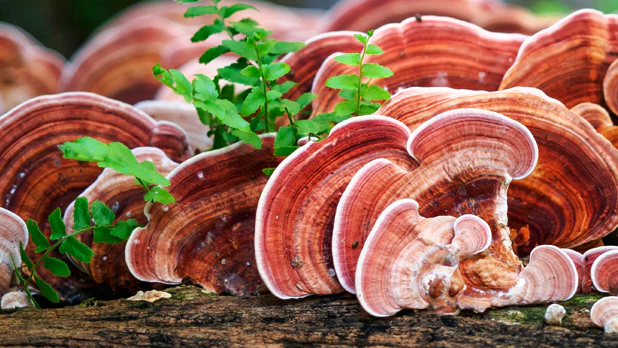
Ganoderma lucidum is believed to have numerous health benefits, and it has been used to treat a wide variety of ailments, including respiratory issues, digestive problems, and liver disease. It is also believed to have immune-boosting properties and has been used to treat cancer and other diseases.
Studies have found that Ganoderma lucidum contains a variety of bioactive compounds, including polysaccharides, triterpenes, and peptidoglycans, that may contribute to its health benefits. However, more research is needed to fully understand the potential benefits of Ganoderma lucidum and its mechanisms of action.
Ganoderma lucidum is commonly consumed in the form of supplements, teas, and extracts. It is generally considered safe when taken in moderate amounts, but it may interact with certain medications and should be used with caution by individuals with certain medical conditions.
B. Cordyceps sinensis (cordyceps mushroom)
Cordyceps sinensis is a type of fungus that grows on the larvae of certain moth species found in the mountainous regions of Tibet, China, and Nepal. It has been used for centuries in traditional Chinese and Tibetan medicine as a natural remedy for a variety of health conditions.
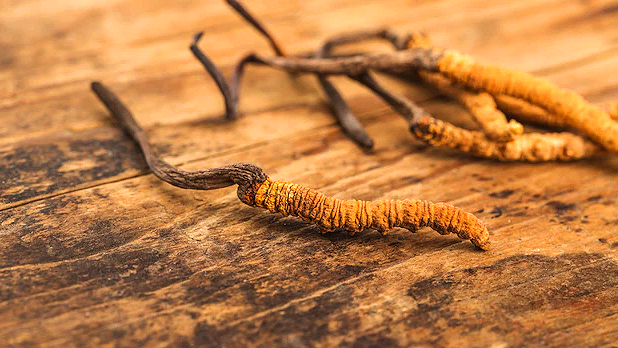
Cordyceps sinensis is believed to have immune-boosting properties and has been used to improve respiratory function, enhance athletic performance, and promote overall vitality and longevity. It is also believed to have anti-inflammatory, antioxidant, and anti-tumor effects.
The bioactive compounds in Cordyceps sinensis include polysaccharides, cordycepin, adenosine, and ergosterol, which may contribute to its health benefits. However, more research is needed to fully understand the potential benefits of Cordyceps sinensis and its mechanisms of action.
C. Grifola frondosa (maitake mushroom)
Grifola frondosa, also known as Maitake mushroom, is a type of edible mushroom native to Japan, North America, and Europe. It has been used for centuries in traditional Chinese and Japanese medicine as a natural remedy for a variety of health conditions.

Maitake mushrooms are believed to have immune-boosting properties and have been used to enhance overall health and vitality. They are also believed to have anti-inflammatory and antioxidant effects and have been used to support heart health, regulate blood sugar levels, and improve digestion.
The bioactive compounds in Maitake mushrooms include beta-glucans, polysaccharides, and ergosterol, which may contribute to their health benefits. However, more research is needed to fully understand the potential benefits of Maitake mushrooms and their mechanisms of action.
D. Hericium erinaceus (lion’s mane mushroom)
Hericium erinaceus, also known as Lion’s Mane mushroom, is a type of edible mushroom that is native to North America, Europe, and Asia. It has been used for centuries in traditional Chinese and Japanese medicine as a natural remedy for a variety of health conditions.

Lion’s Mane mushrooms are believed to have neuroprotective properties and have been used to support cognitive function, memory, and focus. They are also believed to have immune-boosting, anti-inflammatory, and antioxidant effects and have been used to support overall health and vitality.
The bioactive compounds in Lion’s Mane mushrooms include beta-glucans, polysaccharides, and hericenones, which may contribute to their health benefits. However, more research is needed to fully understand the potential benefits of Lion’s Mane mushrooms and their mechanisms of action.
E. Tremella fuciformis (snow fungus)
Tremella fuciformis, also known as Silver Ear mushroom or Snow fungus, is a type of edible mushroom that is native to Asia. It has been used for centuries in traditional Chinese medicine as a natural remedy for a variety of health conditions.
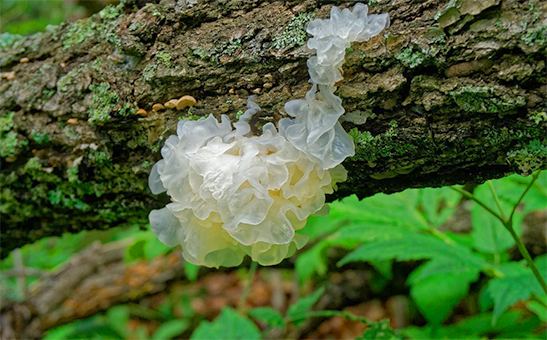
Silver Ear mushrooms are believed to have immune-boosting and anti-inflammatory properties and have been used to support skin health, promote hydration, and improve digestion. They are also believed to have antioxidant effects and have been used to support cardiovascular health.
The bioactive compounds in Silver Ear mushrooms include polysaccharides, beta-glucans, and ergothioneine, which may contribute to their health benefits. However, more research is needed to fully understand the potential benefits of Silver Ear mushrooms and their mechanisms of action.
Silver Ear mushrooms are commonly consumed in the form of soups, desserts, and beverages. They are generally considered safe when consumed as a food, but their safety and effectiveness as a supplement have not been well-studied.
III. Poisonous mushrooms
A. Amanita phalloides (death cap mushroom)
Amanita phalloides, also known as the death cap mushroom, is a highly toxic mushroom found in Europe, Asia, and parts of North America. It contains a deadly amatoxin that can cause severe liver and kidney damage, leading to organ failure and death if ingested.
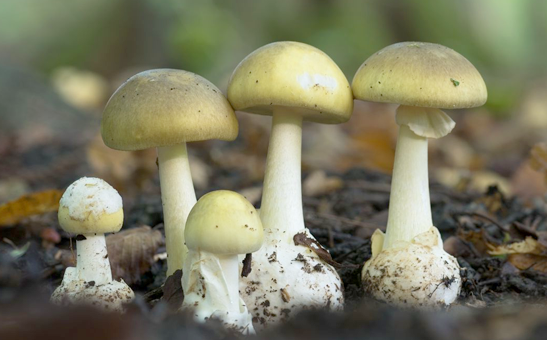
The death cap mushroom is responsible for the majority of mushroom-related deaths worldwide. It is often mistaken for edible mushrooms, as it resembles several non-toxic species. The mushroom cap is usually greenish-yellow, and the gills and spores are white.
Symptoms of poisoning from Amanita phalloides may not appear until 6-24 hours after ingestion and can include nausea, vomiting, diarrhea, abdominal pain, and fatigue. As the toxin attacks the liver and kidneys, symptoms can progress to include yellowing of the skin and eyes, dehydration, confusion, and coma.
B. Galerina marginata (deadly galerina mushroom)

Galerina marginata is a small, brown mushroom found in North America and Europe. It is often referred to as the deadly galerina due to its high toxicity. Like Amanita phalloides, it contains the deadly amatoxins which can cause severe liver and kidney damage, leading to organ failure and death if ingested.
Galerina marginata is typically found growing in clusters on dead or decaying wood, such as logs or stumps. It has a distinct conical or bell-shaped cap, which can range from light brown to dark brown in color. The gills of the mushroom are attached to the stem and are a dark brown color.
Symptoms of poisoning from Galerina marginata can be delayed and may not appear for several hours after ingestion. They can include nausea, vomiting, diarrhea, abdominal pain, and fatigue, which can progress to liver and kidney failure, seizures, and coma.
C. Cortinarius rubellus (deadly webcap mushroom)
Cortinarius rubellus, also known as the deadly webcap, is a highly toxic mushroom found in Europe and North America. It contains the toxin orellanine, which can cause severe kidney damage if ingested.
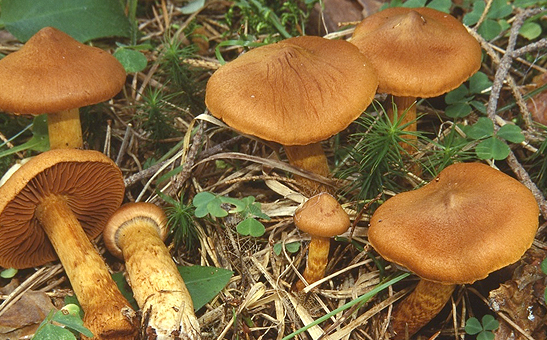
Cortinarius rubellus is typically found growing in coniferous forests, particularly under pine trees. It has a distinctive reddish-orange cap and stem, which can fade to yellow or brown over time. The gills of the mushroom are initially orange and later become rusty brown.
Symptoms of poisoning from Cortinarius rubellus can take several days to appear and can include nausea, vomiting, abdominal pain, and diarrhea. As the toxin attacks the kidneys, symptoms can progress to include severe dehydration, decreased urine output, and kidney failure.
D. Gyromitra esculenta (false morel mushroom)
Gyromitra esculenta, also known as the false morel or brain mushroom, is a toxic mushroom found in North America, Europe, and parts of Asia. It contains a toxin called gyromitrin, which can cause severe poisoning if ingested.

Gyromitra esculenta is typically found growing in the spring in damp forests, particularly near coniferous trees. It has a distinctive brain-like appearance, with a wrinkled and convoluted cap that can range in color from yellowish-brown to reddish-brown. The mushroom stem is often short and thick, and the underside of the cap has folds or ridges instead of true gills.
Symptoms of poisoning from Gyromitra esculenta can appear within hours or up to several days after ingestion and can include nausea, vomiting, abdominal pain, diarrhea, dizziness, headache, and confusion. In severe cases, symptoms can progress to include seizures, coma, and even death.
IV. Psychedelic mushrooms
A. Psilocybe cubensis (magic mushroom)
Psilocybe cubensis is a species of psychedelic mushroom found in tropical and subtropical regions of the world. It contains psychoactive compounds such as psilocybin and psilocin, which can cause hallucinations, altered perception, and changes in mood and thought.

Psilocybe cubensis is typically found growing in humid and warm environments, often on decaying plant material, such as cow dung, and in areas with high humidity. The mushroom cap is usually brown or tan in color and can range in size from small to large. The stem is thin and can be white or brown.
The effects of consuming Psilocybe cubensis can vary depending on the dose, individual tolerance, and environment. Typically, the effects begin within 20-30 minutes after ingestion and can last for several hours. Common effects include changes in perception, euphoria, altered thought patterns, and changes in sensory perception. However, consuming high doses of Psilocybe cubensis can lead to intense hallucinations, anxiety, and paranoia.
B. Psilocybe semilanceata (liberty cap mushroom)
Psilocybe semilanceata, also known as the liberty cap, is a species of psychedelic mushroom found in Europe, North America, and other parts of the world. It contains psychoactive compounds such as psilocybin and psilocin, which can cause hallucinations, altered perception, and changes in mood and thought.

Psilocybe semilanceata is typically found growing in grassy areas, particularly in the fall and winter months. The mushroom cap is usually tan or brown in color and can range in size from small to medium. The stem is thin and can be white or brown.
The effects of consuming Psilocybe semilanceata can vary depending on the dose, individual tolerance, and environment. Typically, the effects begin within 20-30 minutes after ingestion and can last for several hours. Common effects include changes in perception, euphoria, altered thought patterns, and changes in sensory perception. However, consuming high doses of Psilocybe semilanceata can lead to intense hallucinations, anxiety, and paranoia.
C. Amanita muscaria (fly agaric mushroom)
Amanita muscaria, also known as the fly agaric mushroom, is a distinctive and iconic mushroom found in temperate and boreal regions of the world. It contains psychoactive compounds such as muscimol and ibotenic acid, which can cause hallucinations and altered perception.

Amanita muscaria has a distinctive appearance, with a bright red cap covered in white spots, and a thick stem that can be white or yellow. The cap can also vary in color from orange to yellow. It is typically found growing under coniferous trees and can be spotted in the late summer and fall months.
The effects of consuming Amanita muscaria can vary depending on the dose, individual tolerance, and preparation method. Typically, the effects begin within 30-90 minutes after ingestion and can last for several hours. Common effects include changes in perception, euphoria, altered thought patterns, and changes in sensory perception. However, consuming high doses of Amanita muscaria can lead to intense hallucinations, anxiety, and confusion.
V. Cultivated mushrooms
A. Agaricus bisporus (button mushroom)
Agaricus bisporus is a widely cultivated mushroom that is also known as the common mushroom, white mushroom, or button mushroom. It is one of the most commonly consumed mushrooms in the world.

Agaricus bisporus is a member of the Agaricaceae family and has a cap that is typically 2-10 cm in diameter, with a stem that is 4-10 cm in length. The cap is initially hemispherical in shape, and later flattens out and becomes convex. The color of the cap can vary depending on the stage of development, but is usually white or beige with brownish gills underneath.
Agaricus bisporus is a saprotroph, which means it obtains nutrients from decaying organic matter. It is cultivated in a variety of substrates, including composted manure, straw, and other agricultural waste products. The mushrooms are typically grown in a controlled environment, such as mushroom farms or indoor facilities, where temperature, humidity, and other conditions can be carefully monitored and adjusted to optimize growth.
B. Pleurotus ostreatus (oyster mushroom)
Pleurotus ostreatus, commonly known as oyster mushroom, is a popular edible mushroom that is widely cultivated and consumed around the world. It is a member of the Pleurotaceae family and is found growing on dead or dying trees, especially hardwoods.
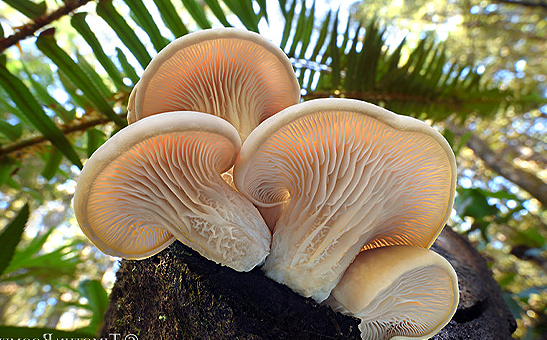
Pleurotus ostreatus has a distinctive appearance, with a shell-shaped cap that is usually white or gray and ranges from 5-25 cm in diameter. The cap is often curved or wavy, with a velvety texture on the top and a white, slightly serrated margin. The stem is usually short and thick, and is often off-center on the cap.
Pleurotus ostreatus is a saprotroph, which means it obtains nutrients from decaying organic matter. It is cultivated in a variety of substrates, including straw, sawdust, and other agricultural waste products. The mushrooms are typically grown in a controlled environment, such as mushroom farms or indoor facilities, where temperature, humidity, and other conditions can be carefully monitored and adjusted to optimize growth.
C. Lentinula edodes (shiitake mushroom)
Lentinula edodes, commonly known as shiitake mushroom, is an edible mushroom that is native to East Asia but is now widely cultivated and consumed around the world. It is a member of the family Marasmiaceae and is found growing on dead or dying hardwood trees, especially oak and beech.

Lentinula edodes has a distinctive appearance, with a broad, umbrella-shaped cap that is usually brown and ranges from 5-15 cm in diameter. The cap is often slightly convex or flat, with a white margin and small, white pores on the underside. The stem is usually short and thick, and is often off-center on the cap.
Lentinula edodes is a saprotroph, which means it obtains nutrients from decaying organic matter. It is cultivated in a variety of substrates, including sawdust, straw, and other agricultural waste products. The mushrooms are typically grown in a controlled environment, such as mushroom farms or indoor facilities, where temperature, humidity, and other conditions can be carefully monitored and adjusted to optimize growth.
D. Volvariella volvacea (straw mushroom)
Volvariella volvacea, commonly known as straw mushroom, is an edible mushroom that is native to Southeast Asia but is now widely cultivated and consumed around the world. It is a member of the family Pluteaceae and is found growing on rice straw or other agricultural waste.

Volvariella volvacea has a distinctive appearance, with a small, round cap that is usually white or brown and ranges from 2-10 cm in diameter. The cap is often convex or slightly flattened, with a short stem that is attached to the cap at the center. The stem is often covered by a volva, a cup-like structure that surrounds the base of the mushroom.
Volvariella volvacea is a saprotroph, which means it obtains nutrients from decaying organic matter. It is cultivated in a variety of substrates, including rice straw, sugarcane bagasse, and other agricultural waste products. The mushrooms are typically grown in a controlled environment, such as mushroom farms or indoor facilities, where temperature, humidity, and other conditions can be carefully monitored and adjusted to optimize growth.
Volvariella volvacea is a popular ingredient in Asian cuisine and is used in a wide range of dishes, including soups, stews, stir-fries, and curries. It has a delicate, slightly sweet flavor and a tender texture that makes it a versatile ingredient in cooking. It is also a good source of protein, fiber, vitamins, and minerals, making it a healthy addition to any diet.
VI. Wild mushrooms
A. Chanterelles
Chanterelles are a group of wild edible mushrooms that are prized for their delicate and unique flavor. They belong to the genus Cantharellus, which includes several species that are found in temperate and boreal forests around the world.

Chanterelles have a distinctive appearance, with a funnel-shaped cap that is usually yellow or orange and ranges from 2-10 cm in diameter. The cap is often wavy or irregular, with ridges or veins on the underside that give it a distinctive, almost floral appearance. The stem is usually short and thick, and is often attached to the cap at an angle.
Chanterelles are mycorrhizal fungi, which means they form a symbiotic relationship with trees and other plants. They are typically found growing in forests, where they form associations with the roots of trees and help to improve soil health.
Chanterelles are a popular ingredient in many cuisines around the world, and are used in a wide range of dishes, including soups, stews, risottos, and pasta dishes. They have a delicate, slightly nutty flavor and a tender texture that makes them a favorite among chefs and home cooks alike.
B. Morels
Morels are a group of wild edible mushrooms that are highly prized for their rich, earthy flavor and unique appearance. They belong to the genus Morchella, which includes several species that are found in temperate and boreal forests around the world.
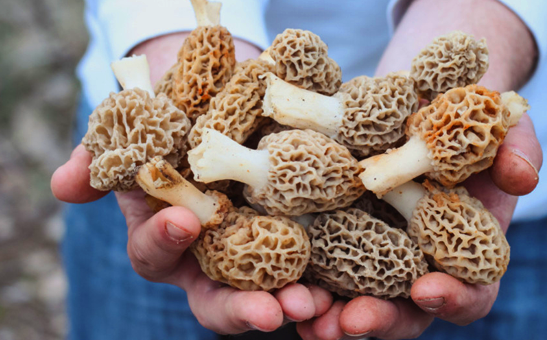
Morels have a distinctive appearance, with a cone-shaped cap that is usually brown or yellow and ranges from 2-10 cm in height. The cap is covered in deep ridges and pits that give it a distinctive, honeycomb-like appearance. The stem is usually hollow and ranges from 2-12 cm in length.
Morels are mycorrhizal fungi, which means they form a symbiotic relationship with trees and other plants. They are typically found growing in forests, where they form associations with the roots of trees and help to improve soil health.
C. Porcini
Porcini mushrooms, also known as cep or boletus edulis, are a type of wild edible mushroom that is highly valued for its meaty, nutty flavor and firm texture. They belong to the genus Boletus, which includes several species that are found in temperate and boreal forests around the world.
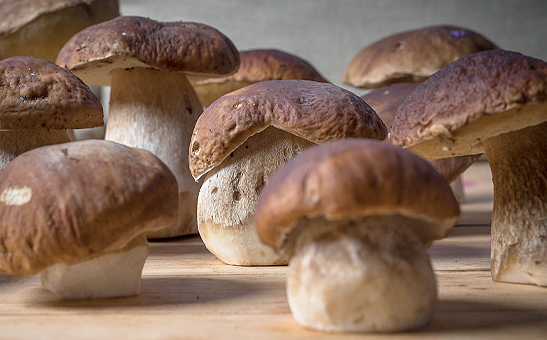
Porcini mushrooms have a distinctive appearance, with a large, round cap that is usually brown or tan and can range from 5-30 cm in diameter. The cap is often smooth or slightly scaly, with a thick, fleshy texture. The stem is usually thick and sturdy, and is often covered in a network of fine, white threads known as the « mycelium. »
Porcini mushrooms are mycorrhizal fungi, which means they form a symbiotic relationship with trees and other plants. They are typically found growing in forests, where they form associations with the roots of trees and help to improve soil health.
D. Truffles
Truffles are a type of underground fungus that are highly prized for their intense aroma and flavor. They belong to the genus Tuber, which includes several species that are found in temperate and Mediterranean regions around the world.

Truffles have a distinctive appearance, with a rough, irregular shape and a dark, often blackish-brown exterior. The interior is usually white or cream-colored, with a firm, dense texture. Truffles are typically found underground, growing in association with the roots of trees, particularly oak and hazelnut trees.
Truffles are highly sought after by chefs and food lovers for their intense flavor and aroma, which has been described as earthy, musky, and even slightly sweet. They are used in a wide range of dishes, including pasta dishes, risottos, and sauces, and are often shaved or grated over the top of a dish to add a rich, savory flavor.