

Understanding Female Libido: Myths and Facts
Female libido, or sexual desire, is a complex and often misunderstood topic. Here are some common myths and facts about female libido:
Myth: Women don’t have a high sex drive. Fact: Women can have just as strong a sex drive as men. However, societal and cultural factors may discourage women from expressing their sexual desires.
Myth: Low libido is a normal part of aging. Fact: While hormonal changes that occur during menopause may lead to a decrease in libido, low libido is not a normal part of aging. Many women maintain a healthy sex drive well into their later years.
Myth: Only men can have sexual dysfunction. Fact: Women can also experience sexual dysfunction, which can include a lack of desire, difficulty becoming aroused, or difficulty achieving orgasm.
Myth: Libido is only related to physical factors. Fact: Libido is influenced by both physical and psychological factors, including stress, anxiety, relationship issues, and past traumas.
Myth: Women don’t need sex as much as men. Fact: Women have a natural desire for sex just like men. However, individual preferences and desires can vary.
The Biological and Psychological Factors Affecting Women’s Libido

The Biological and Psychological Factors Affecting Women’s Libido
Women’s libido, or sexual desire, is influenced by a combination of biological and psychological factors. Here are some of the key factors that can affect a woman’s libido:
Biological Factors:
- Hormonal changes: Changes in hormone levels, such as those that occur during menstruation, pregnancy, or menopause, can affect a woman’s libido.
- Medications: Certain medications, such as antidepressants, can affect a woman’s libido.
- Health conditions: Chronic illnesses, such as diabetes or heart disease, can also affect a woman’s libido.
- Physical changes: Changes to the body, such as weight gain or loss, can also impact a woman’s libido.
Psychological Factors:
- Stress: High levels of stress can reduce a woman’s libido.
- Anxiety and depression: These mental health conditions can also impact a woman’s libido.
- Relationship issues: Troubled relationships, conflicts with a partner, or lack of emotional connection can all reduce a woman’s desire for sex.
- Past trauma: Experiences of sexual abuse or trauma can affect a woman’s libido.
It’s important to note that these factors can interact with each other, making it difficult to pinpoint the exact cause of a decrease in libido. However, understanding the potential factors that can affect libido can help women and their healthcare providers develop a treatment plan that addresses the underlying causes.
Boosting Female Libido Naturally: Lifestyle Changes and Self-Care Tips

If you’re experiencing a decrease in libido, there are several lifestyle changes and self-care tips you can try before seeking medical treatment. Here are some natural ways to boost female libido:
- Exercise regularly: Exercise can help increase blood flow to the genitals, which can improve sexual function and desire.
- Eat a healthy diet: A diet rich in fruits, vegetables, whole grains, and lean protein can help improve overall health and increase energy levels, which can enhance libido.
- Manage stress: High levels of stress can reduce libido. Engage in stress-reducing activities, such as meditation, yoga, or deep breathing exercises.
- Get enough sleep: Lack of sleep can also reduce libido. Aim for seven to eight hours of sleep per night.
- Communicate with your partner: Discuss your feelings and desires with your partner, and work together to improve your sexual relationship.
- Try new things: Experimenting with new sexual experiences or activities can help increase desire and pleasure.
- Take time for yourself: Self-care practices, such as taking a warm bath, reading a book, or indulging in a favorite hobby, can help reduce stress and improve overall well-being, which can enhance libido.
It’s important to note that these lifestyle changes may not work for everyone, and seeking medical treatment may be necessary if the underlying cause of low libido is related to a medical condition or hormonal imbalance.
Medical Treatments for Low Libido in Women
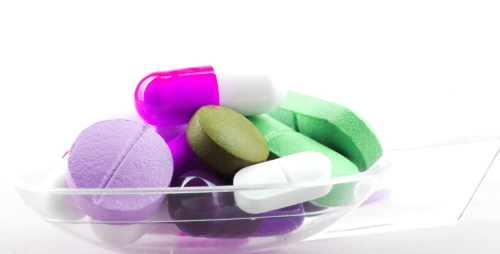
If lifestyle changes and self-care tips don’t improve your libido, medical treatment may be necessary. Here are some medical treatments that healthcare providers may recommend for low libido in women:
- Hormone therapy: If low libido is caused by a hormonal imbalance, hormone therapy may be prescribed. This treatment involves taking estrogen, testosterone, or a combination of both to help restore hormone balance and improve sexual desire.
- Medications: Several medications may be prescribed to improve libido in women, including bupropion, a medication used to treat depression, and flibanserin, a medication specifically approved for the treatment of low sexual desire in women.
- Pelvic floor physical therapy: This treatment involves working with a physical therapist to strengthen the pelvic floor muscles, which can improve sexual function and desire.
- Counseling or therapy: If low libido is related to psychological or relationship issues, counseling or therapy may be recommended. This can help address underlying issues and improve sexual desire and function.
It’s important to note that medical treatments may have side effects, and not all treatments may be appropriate for everyone. Healthcare providers will work with you to determine the best treatment plan based on your individual needs and circumstances.
10 Foods That Increase Libido

Here are some foods that may help increase libido:
- Oysters: Oysters are rich in zinc, which is essential for the production of testosterone, a hormone that plays a key role in sexual desire.
- Dark chocolate: Dark chocolate contains phenylethylamine, a compound that can help increase dopamine levels in the brain and promote feelings of pleasure and desire.
- Avocado: Avocados are rich in vitamin E, which can help increase blood flow and improve sexual function.
- Watermelon: Watermelon contains citrulline, an amino acid that can help improve blood flow and increase sexual desire.
- Ginseng: Ginseng is an herb that has been used for centuries to improve sexual function and increase libido.
- Maca: Maca is a root vegetable that is known to have aphrodisiac properties and may help increase sexual desire.
- Fatty fish: Fatty fish, such as salmon and tuna, are rich in omega-3 fatty acids, which can help improve blood flow and increase sexual desire.
- Strawberries: Strawberries are rich in vitamin C, which can help improve blood flow and increase sexual desire.
- Almonds: Almonds are rich in vitamin E, magnesium, and zinc, which can help improve sexual function and increase libido.
- Red wine: Red wine contains resveratrol, a compound that can help improve blood flow and increase sexual desire. However, it’s important to consume alcohol in moderation, as excessive alcohol consumption can have negative effects on sexual function.