
What are the 3 types of blood cancer?
Blood cancers, also known as hematologic cancers, affect the production and function of blood cells. There are three main types of blood cancer:
- Leukemia: This type of blood cancer affects the white blood cells. There are several types of leukemia, including acute lymphoblastic leukemia (ALL), acute myeloid leukemia (AML), chronic lymphocytic leukemia (CLL), and chronic myeloid leukemia (CML).
- Lymphoma: Lymphoma is a cancer that affects the lymphatic system, which is part of the immune system. The two main types of lymphoma are Hodgkin lymphoma and non-Hodgkin lymphoma.
- Myeloma: Myeloma is a cancer that affects the plasma cells, which are a type of white blood cell that produces antibodies. It is also called multiple myeloma because it can affect multiple areas of the body, such as the bones, kidneys, and immune system.
What is the main cause of Blood Cancer?
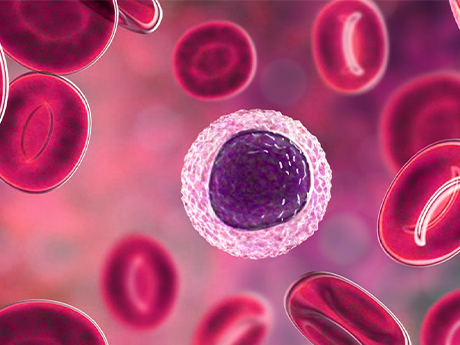
The exact causes of blood cancer, also known as hematological cancer, are not fully understood. However, researchers have identified several risk factors that can increase the likelihood of developing blood cancer. These include:
- Genetic mutations: Blood cancer can be caused by mutations in the DNA of blood cells, which can cause the cells to grow and divide uncontrollably.
- Exposure to radiation: Exposure to high levels of radiation, such as during cancer treatment or nuclear accidents, can increase the risk of developing blood cancer.
- Exposure to certain chemicals: Exposure to certain chemicals, such as benzene and formaldehyde, can increase the risk of developing blood cancer.
- Family history: Having a family history of blood cancer can increase the risk of developing the disease.
- Certain medical conditions: Certain medical conditions, such as autoimmune diseases, can increase the risk of developing blood cancer.
It’s important to note that having one or more of these risk factors does not mean that you will definitely develop blood cancer.
What are 6 early warning signs of Blood Cancer?

Some common early warning signs of blood cancer include:
- Fatigue and weakness: Blood cancer can cause fatigue and weakness due to anemia, a condition where the body lacks enough red blood cells to carry oxygen to tissues.
- Frequent infections: Blood cancer can weaken the immune system, making you more susceptible to infections. You may also experience persistent fever, chills, and flu-like symptoms.
- Unexplained weight loss: If you have blood cancer, you may lose weight without trying.
- Night sweats: Blood cancer can cause night sweats, which are severe episodes of sweating that soak your clothes and bedding.
- Swollen lymph nodes: Blood cancer can cause your lymph nodes to become swollen, usually in your neck, armpits, or groin.
- Bruising and bleeding: Blood cancer can affect the production of platelets, which are responsible for blood clotting. You may experience easy bruising, bleeding gums, and frequent nosebleeds.
Blood cancer treatment types

Here are some of the most common treatment options for blood cancer:
- Chemotherapy: This is a type of treatment that uses drugs to kill cancer cells. Chemotherapy can be administered orally or intravenously, and may be used alone or in combination with other treatments.
- Radiation therapy: This treatment uses high-energy radiation to kill cancer cells. Radiation therapy may be used alone or in combination with other treatments.
- Stem cell transplant: This is a procedure that involves replacing the patient’s diseased bone marrow with healthy bone marrow stem cells. This can be done using stem cells from the patient or a donor.
- Immunotherapy: This treatment uses the body’s immune system to fight cancer cells. This can be done through the use of drugs that help the immune system identify and attack cancer cells.
- Targeted therapy: This treatment uses drugs that target specific molecules or proteins on the surface of cancer cells, helping to slow or stop the growth and spread of the cancer.
- Surgery: In some cases, surgery may be used to remove cancerous cells or tissue from the body.
What is life expectancy after Blood Cancer?

Here are some general survival rates for some of the more common types of blood cancer:
- Acute lymphoblastic leukemia (ALL): The 5-year survival rate for children with ALL is over 90%. In adults, the survival rate varies depending on age and other factors, but is generally between 25% and 50%.
- Acute myeloid leukemia (AML): The 5-year survival rate for AML varies depending on the age of the patient and other factors, but is generally between 20% and 40%.
- Chronic lymphocytic leukemia (CLL): CLL is a slow-growing cancer and may not require treatment for many years. The 5-year survival rate for people with CLL is around 85%.
- Chronic myeloid leukemia (CML): With modern treatments, such as tyrosine kinase inhibitors (TKIs), the 5-year survival rate for people with CML is around 90%.
- Hodgkin lymphoma: The 5-year survival rate for Hodgkin lymphoma is around 87%.
- Non-Hodgkin lymphoma (NHL): The 5-year survival rate for NHL varies depending on the type and stage of the cancer, but is generally around 70%.
Pain medication for Blood Cancer
Pain management is an important aspect of cancer treatment, as it can help to improve the patient’s quality of life and reduce stress.

Here are some common types of pain medication used for blood cancer:
- Nonsteroidal anti-inflammatory drugs (NSAIDs): These drugs, such as ibuprofen and aspirin, are often used to relieve mild to moderate pain and reduce inflammation.
- Acetaminophen: This medication, such as Tylenol, can be used to relieve pain and reduce fever.
- Opioids: These drugs, such as morphine, fentanyl, and oxycodone, are used to treat moderate to severe pain. Opioids can have side effects, including constipation, nausea, and drowsiness, and should be used with caution.
- Corticosteroids: These drugs, such as prednisone and dexamethasone, can be used to reduce inflammation and relieve Cancer pain.
- Nerve pain medications: These drugs, such as gabapentin and pregabalin, can be used to treat nerve pain associated with cancer.