

How do you know if someone has bipolar depression?
Bipolar disorder (Depression) is a type of depression that is associated with bipolar disorder, a mental health condition characterized by periods of depression and periods of elevated or irritable mood known as mania or hypomania. The symptoms of bipolar depression can vary widely from person to person and can be similar to those of other types of depression. However, there are some specific signs and symptoms that can indicate bipolar depression:
6 signs of Bipolar disorder (Depression)?
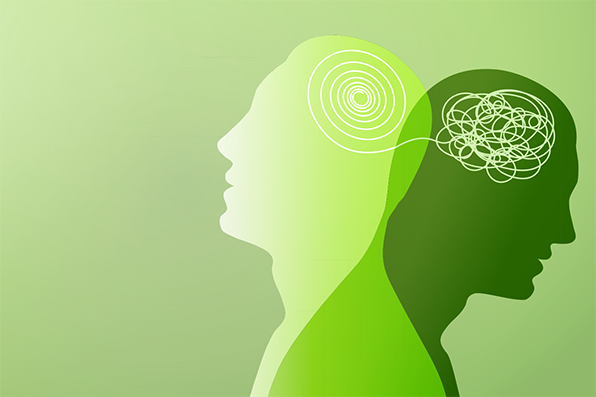
- Extreme mood swings: A person with bipolar depression may experience intense and rapid mood swings, switching from depression to mania or hypomania within a few hours or days.
- Feelings of sadness, hopelessness, or emptiness: People with bipolar depression may feel intense and prolonged feelings of sadness, hopelessness, or emptiness.
- Lack of energy and motivation: People with bipolar depression may experience a lack of energy and motivation, making it difficult for them to complete everyday tasks or engage in activities they used to enjoy.
- Sleep disturbances: People with bipolar depression may experience changes in their sleep patterns, such as insomnia or hypersomnia (excessive sleepiness).
- Irritability and agitation: People with bipolar depression may feel irritable, agitated, or easily frustrated, especially during periods of mania or hypomania.
- Suicidal thoughts or behavior: People with bipolar depression may have thoughts of suicide or engage in suicidal behavior, which requires immediate medical attention.
Famous person that have suffered from bipolar disorder?

Here are 20 famous people who have publicly spoken about or are believed to have suffered from bipolar disorder:
- Carrie Fisher – American actress and writer known for her role as Princess Leia in the Star Wars franchise. She was diagnosed with bipolar disorder in the mid-1980s and spoke openly about her struggles with mental illness.
- Catherine Zeta-Jones – Welsh actress known for her roles in films such as Chicago and The Mask of Zorro. She was diagnosed with bipolar II disorder in 2011 and has been an advocate for mental health awareness.
- Demi Lovato – American singer and actress who has spoken openly about her struggles with mental illness, including bipolar disorder. She has used her platform to advocate for mental health awareness and treatment.
- Stephen Fry – British actor, comedian, and writer who has spoken publicly about his struggles with bipolar disorder. He has used his experiences to raise awareness of mental health issues and promote mental health education.
- Mel Gibson – American actor and filmmaker who has spoken publicly about his experiences with bipolar disorder. He has also struggled with alcoholism and has spoken about his journey to recovery.
- Winston Churchill – British statesman and former Prime Minister of the United Kingdom. It is believed that Churchill suffered from bipolar disorder, which he referred to as his « black dog. »
- Jean-Claude Van Damme – Belgian actor known for his roles in action films such as Bloodsport and Universal Soldier. He has spoken publicly about his diagnosis with bipolar disorder and the impact it has had on his life.
- Russell Brand – British comedian and actor who has spoken publicly about his experiences with bipolar disorder and addiction. He has used his platform to raise awareness of mental health issues and promote recovery.
- Mariah Carey – American singer and songwriter who has spoken publicly about her experiences with bipolar disorder. She has used her platform to advocate for mental health awareness and encourage others to seek help.
- Vincent Van Gogh – Dutch post-impressionist painter who is believed to have suffered from bipolar disorder. His struggles with mental illness are well-documented, and he famously cut off his own ear during a manic episode.
It is important to note that not all artists with mental health issues have been diagnosed with bipolar disorder, and not all individuals with bipolar disorder are artists
How do you overcome bipolar depression?
Here are some strategies that may help to overcome bipolar depression:
- Seek professional help: The first step in overcoming bipolar depression is to seek professional help from a mental health provider. They can provide an accurate diagnosis and develop a treatment plan that is tailored to your individual needs.
- Take medication as prescribed: Medications such as mood stabilizers, antipsychotics, and antidepressants can help manage symptoms of bipolar depression. It’s important to take these medications as prescribed by a healthcare provider.
- Attend therapy sessions: Talk therapy, such as cognitive behavioral therapy (CBT) or dialectical behavior therapy (DBT), can help individuals with bipolar depression develop coping skills to manage mood swings and negative thought patterns.
- Establish a daily routine: Establishing a daily routine that includes regular sleep, exercise, and meals can help stabilize mood and reduce symptoms of bipolar depression.
- Practice self-care: Self-care practices such as regular exercise, healthy eating, adequate sleep, stress management, and avoiding alcohol and drugs can help to manage symptoms of bipolar depression.
- Build a support network: Building a support network of friends, family members, or support groups can provide emotional support and help to manage symptoms of bipolar depression.
- Learn about bipolar disorder: Learning about bipolar disorder and how it affects you can help to identify triggers and manage symptoms of bipolar depression.
- Develop healthy coping skills: Learning healthy coping skills such as mindfulness, relaxation techniques, and problem-solving skills can help manage symptoms of bipolar depression.
- Identify triggers: Identify triggers that may exacerbate symptoms of bipolar depression and develop strategies to avoid or manage them.
- Practice stress management: Learning stress management techniques such as meditation, yoga, or deep breathing exercises can help to manage symptoms of bipolar depression.
- Stay engaged in activities: Staying engaged in activities that you enjoy can help to reduce symptoms of bipolar depression and provide a sense of purpose.
- Have patience and persistence: Overcoming bipolar depression takes time and effort. It’s important to have patience and persistence in following a treatment plan and developing healthy habits.