
What is done in bariatric surgery?
Bariatric surgery, also known as weight loss surgery, is a type of surgical procedure that helps individuals with severe obesity to lose weight by reducing the size of the stomach and/or limiting the amount of food that can be eaten.
In general, patients can expect to see some weight loss in the weeks following surgery as a result of the restricted calorie intake and reduced stomach capacity. Most patients will continue to lose weight steadily for the first 6-12 months after surgery, with an average weight loss of 50-70% of their excess body weight.
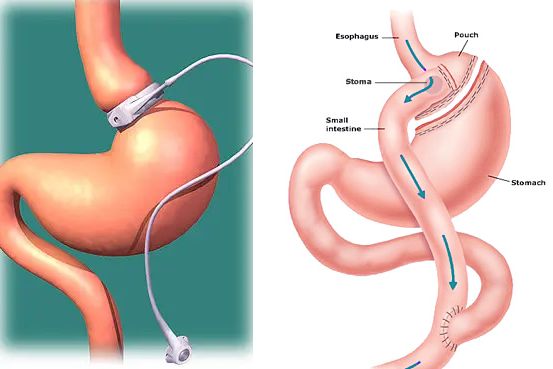
There are several types of bariatric surgery, including:
- Gastric sleeve surgery: In this procedure, a large portion of the stomach is removed, leaving a small sleeve-shaped stomach. This restricts the amount of food that can be eaten and reduces the production of hunger hormones.
- Gastric bypass surgery: This procedure involves creating a small stomach pouch and rerouting the small intestine to this pouch. This restricts the amount of food that can be eaten and reduces the absorption of calories.
- Adjustable gastric band surgery: In this procedure, an inflatable band is placed around the upper part of the stomach, creating a small pouch above the band. The size of the pouch can be adjusted by inflating or deflating the band, which restricts the amount of food that can be eaten.
- Biliopancreatic diversion with duodenal switch: This procedure involves removing a large portion of the stomach and rerouting the small intestine to reduce the absorption of calories and nutrients.
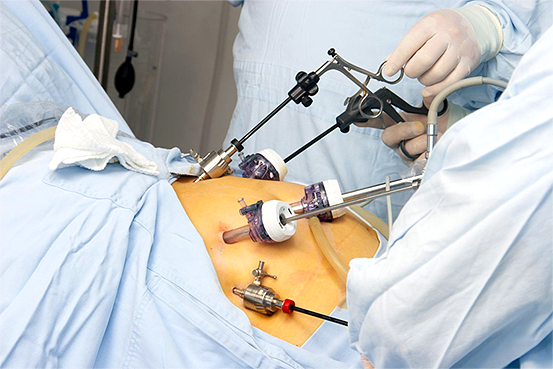
Bariatric surgery is usually reserved for individuals with a body mass index (BMI) of 40 or greater, or a BMI of 35 or greater with obesity-related health problems such as diabetes, high blood pressure, or sleep apnea. Before the surgery, individuals undergo a thorough evaluation and counseling to determine if they are suitable candidates for the procedure. After the surgery, patients need to follow a specific diet plan and make lifestyle changes to ensure successful weight loss and improve their health outcomes.
What are the negative effects of bariatric surgery?
Bariatric surgery is generally considered to be a safe and effective treatment for severe obesity, but as with any surgery, it does carry some risks. The risk of complications can vary depending on several factors, including the patient’s overall health, age, and the type of surgery performed.

Here are some details on the risks associated with bariatric surgery:
- Infection: Surgery involves incisions and manipulation of tissue, which can increase the risk of infection. However, the risk of infection can be minimized with proper surgical techniques and post-operative care.
- Bleeding: Blood loss is a common complication of surgery. In bariatric surgery, the risk of bleeding is higher due to the manipulation of large blood vessels. However, bleeding is rare, and the surgical team can usually control it quickly.
- Blood clots: Surgery can increase the risk of blood clots forming in the legs, which can travel to the lungs and cause a pulmonary embolism. The risk of blood clots can be reduced with the use of compression stockings and blood-thinning medications.
- Wound problems: Bariatric surgery involves large incisions, which can take time to heal. In some cases, the incision site may become infected, or the wound may open up, leading to a delayed healing process.
- Digestive problems: Bariatric surgery can cause changes in the digestive system, leading to problems such as nausea, vomiting, and diarrhea. These problems are usually temporary and can be managed with medication and dietary changes.
- Malnutrition: Bariatric surgery can affect the body’s ability to absorb nutrients, leading to vitamin and mineral deficiencies. Patients are usually advised to take vitamin and mineral supplements to prevent deficiencies.
- Gallstones: Rapid weight loss after bariatric surgery can increase the risk of gallstones, which can cause abdominal pain and other symptoms.
- Dumping syndrome: Dumping syndrome is a condition in which food moves too quickly through the digestive system, leading to symptoms such as nausea, vomiting, and diarrhea. This is more common after gastric bypass surgery.
- Psychological effects: Bariatric surgery can have psychological effects such as depression, anxiety, and body image issues. It is important for patients to receive proper support and counseling to help them adjust to the changes after surgery.
Overall, while there are risks associated with bariatric surgery, the benefits can outweigh the risks for many patients with severe obesity.
What is the diet for bariatric surgery?

After bariatric surgery, patients need to follow a specific diet plan to allow the stomach to heal and adjust to the changes.
The stages of eating after bariatric surgery typically include:
- Clear liquids: The first stage of the diet after surgery is usually a clear liquid diet. This includes water, broth, clear fruit juice, and sugar-free gelatin. This stage usually lasts for the first few days after surgery.
- Full liquids: Once the patient can tolerate clear liquids without any problems, they can start to consume full liquids such as protein shakes, low-fat milk, and cream soups. This stage usually lasts for one to two weeks after surgery.
- Pureed foods: After the full liquid stage, the patient can start to consume pureed foods such as soft fruits, cooked vegetables, and lean protein sources. The foods need to be pureed to a smooth consistency and should be consumed slowly. This stage usually lasts for two to four weeks after surgery.
- Soft foods: Once the patient can tolerate pureed foods without any problems, they can start to consume soft foods such as canned fruits, cooked vegetables, and ground or tender meats. This stage usually lasts for four to six weeks after surgery.
- Regular foods: After the soft food stage, the patient can start to consume regular foods in smaller quantities. It is important to chew the food slowly and thoroughly and stop eating when feeling full. The patient should continue to avoid high-calorie, high-fat, and high-sugar foods. This stage can last for several months or longer, depending on the patient’s progress and the advice of their healthcare provider.
It is important for patients to follow the recommended diet plan after bariatric surgery to ensure proper healing and successful weight loss. The stages of eating may vary slightly depending on the type of bariatric surgery and the healthcare provider’s recommendations.