

What are 6 cancer early warning signs of Bone Cancer?
Bone cancer can cause a variety of symptoms, but the most common early warning signs of bone cancer include:
- Pain: Bone pain is the most common symptom of bone cancer. The pain may come and go at first, but it typically becomes more severe and persistent as the cancer grows. The pain may be worse at night and may be relieved by over-the-counter pain medication.
- Swelling: The affected area of bone may become swollen and tender to the touch. The swelling may be accompanied by redness and warmth.
- Fractures: Bone cancer can weaken the bone and make it more susceptible to fractures, even from minor injuries.
- Fatigue: Cancer can cause fatigue and weakness, even in the early stages.
- Unintended weight loss: Some people with bone cancer may experience unintended weight loss.
- Fever: A fever may develop if the cancer has spread to other parts of the body.
What is the 5 main cause of Bone Cancer?

The exact cause of bone cancer is unknown, but researchers believe that genetic mutations can play a role. In some cases, these mutations are inherited, while in others they occur spontaneously. Some known risk factors for bone cancer include:
- Radiation exposure: Exposure to high levels of radiation, either from radiation therapy or environmental sources, can increase the risk of developing bone cancer.
- Paget’s disease: This condition causes abnormal bone growth and can increase the risk of bone cancer.
- Genetic syndromes: Certain genetic syndromes, such as Li-Fraumeni syndrome and hereditary retinoblastoma, increase the risk of bone cancer.
- Age: Bone cancer is most commonly diagnosed in people between the ages of 10 and 30 and in adults over the age of 60.
- Gender: Some types of bone cancer, such as osteosarcoma, are more common in males.
It’s important to note that most people with these risk factors do not develop bone cancer, and many people who develop bone cancer do not have any known risk factors.
What is the Difference Between Bone Cancer & Multiple Myeloma?

Bone cancer and multiple myeloma are both types of cancer that affect the bones, but they are different in several ways.
- Origin: Bone cancer begins in the bone tissue itself, while multiple myeloma starts in the bone marrow, which is the spongy tissue inside bones that produces blood cells.
- Types of cells affected: Bone cancer can affect several types of cells in the bone tissue, such as osteoblasts (bone-forming cells) and osteoclasts (cells that break down bone tissue). Multiple myeloma, on the other hand, affects a type of white blood cell called plasma cells.
- Spread of cancer: Bone cancer usually stays in the bone where it originates, although it can spread to other parts of the body in later stages. Multiple myeloma, on the other hand, can spread to other parts of the body, such as the liver, kidneys, and lungs, as well as other bones.
- Treatment: The treatment for bone cancer and multiple myeloma can differ depending on the type and stage of cancer. Treatment options for bone cancer can include surgery, chemotherapy, and radiation therapy. Treatment for multiple myeloma may involve chemotherapy, radiation therapy, stem cell transplantation, and targeted therapy.
In summary, while both bone cancer and multiple myeloma affect the bones, they differ in terms of their origin, the types of cells affected, the spread of cancer, and the treatment options available.
What are the 4 stages of bone cancer?
The most commonly used staging system for primary bone cancers, such as osteosarcoma, chondrosarcoma, and Ewing’s sarcoma, is the American Joint Committee on Cancer (AJCC) staging system, which is based on three factors:
- The size and extent of the primary tumor
- Whether the cancer has spread to nearby lymph nodes
- Whether the cancer has spread to other parts of the body, such as the lungs, liver, or other bones
The stages are typically numbered from I to IV, with higher numbers indicating more advanced cancer:
Stage I: The cancer is localized to the bone and has not spread to other parts of the body.
Stage II: The cancer is localized to the bone and is high grade, meaning it is more aggressive and likely to grow and spread quickly.
Stage III: The cancer has spread to nearby tissues or lymph nodes.
Stage IV: The cancer has spread to distant sites in the body, such as the lungs, liver, or other bones.
For multiple myeloma, a type of bone cancer that affects the bone marrow, the staging system is based on the extent of the cancerous cells in the bone marrow, the amount of abnormal proteins in the blood, and the presence of bone lesions. The stages range from I to III, with higher numbers indicating more advanced cancer.
Bone Cancer Treatment
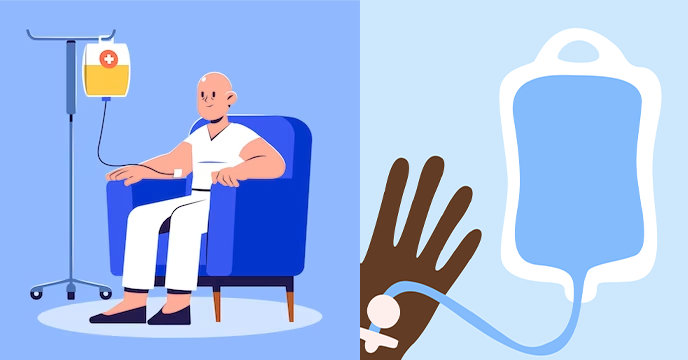
The primary treatments for bone cancer are surgery, radiation therapy, and chemotherapy.
- Surgery: Surgery is often the primary treatment for bone cancer. The goal of surgery is to remove the cancerous tumor and surrounding tissue to prevent the cancer from spreading. In some cases, amputation may be necessary if the cancer is in a limb and cannot be removed by surgery.
- Radiation therapy: Radiation therapy uses high-energy radiation to kill cancer cells. It may be used before or after surgery to shrink the tumor or to kill any remaining cancer cells. Radiation therapy may also be used to relieve pain or other symptoms caused by bone cancer.
- Chemotherapy: Chemotherapy uses drugs to kill cancer cells throughout the body. It may be used before or after surgery, or in combination with radiation therapy. Chemotherapy is often used for high-grade bone cancers, such as osteosarcoma and Ewing’s sarcoma.
Other treatments for bone cancer may include targeted therapy, which uses drugs to target specific molecules involved in cancer growth, or immunotherapy, which uses the body’s own immune system to fight cancer cells.
What is life expectancy after Bone Cancer?

For low-grade bone cancers, the five-year survival rate is generally high, with up to 90% of people surviving for five years or longer after treatment. However, high-grade bone cancers, such as osteosarcoma and Ewing’s sarcoma, are more aggressive and have a lower five-year survival rate, ranging from 50% to 70%.
It’s important to note that survival rates are based on averages and do not predict the outcome for any individual person. Some people with bone cancer may live much longer than the average, while others may have a shorter life expectancy.
Other factors that can affect life expectancy after bone cancer include the location of the tumor, the presence of metastasis (spread of cancer to other parts of the body), and the effectiveness of treatment. In general, early detection and treatment can improve outcomes and increase life expectancy.
Pain medication for Bone Cancer

The choice of medication will depend on the severity of the pain, the individual’s overall health, and other factors.
- Nonsteroidal anti-inflammatory drugs (NSAIDs): NSAIDs, such as ibuprofen and naproxen, can be used to relieve mild to moderate pain. They work by reducing inflammation and blocking pain signals.
- Opioids: Opioids, such as morphine and fentanyl, are strong pain medications that can be used to manage moderate to severe pain. They work by binding to opioid receptors in the brain and spinal cord to block pain signals.
- Corticosteroids: Corticosteroids, such as prednisone and dexamethasone, can be used to reduce inflammation and swelling that can cause pain.
- Bisphosphonates: Bisphosphonates, such as pamidronate and zoledronic acid, can be used to reduce pain and prevent bone loss in people with bone cancer.
- Antidepressants: Antidepressants, such as amitriptyline and duloxetine, can be used to manage pain by blocking pain signals in the brain.
- Anticonvulsants: Anticonvulsants, such as gabapentin and pregabalin, can be used to manage nerve pain caused by bone cancer.
It’s important to work closely with a healthcare provider to find the best pain management plan, as some medications can have side effects or interact with other medications.