

What are the 7 symptoms of AHC disease?
Alternating Hemiplegia of Childhood (AHC) is a rare neurological disorder that can cause a wide range of symptoms. The symptoms of AHC can vary in severity, frequency, and duration, and may include:
- Hemiplegia: A temporary paralysis affecting one or both sides of the body, which can last from a few minutes to several days. Hemiplegia episodes can be sudden and unpredictable.
- Abnormal eye movements: Eye movements can be slow, uncoordinated, or involuntary. Nystagmus, or rapid, repetitive movements of the eyes, is a common feature of AHC.
- Seizures: Seizures can occur in up to 50% of people with AHC. Seizures may be focal or generalized, and can be associated with hemiplegia or other symptoms.
- Movement disorders: Dystonia, choreoathetosis, and other movement disorders can occur in people with AHC. These can affect the face, limbs, or other parts of the body.
- Autonomic dysfunction: Symptoms such as irregular heart rate, fluctuations in blood pressure, excessive sweating, and gastrointestinal problems can occur in people with AHC.
- Cognitive and behavioral problems: Learning disabilities, attention deficit hyperactivity disorder (ADHD), and other behavioral problems can occur in people with AHC.
- Sleep disturbances: Insomnia, excessive sleepiness, and other sleep disturbances can occur in people with AHC.

The symptoms of AHC typically appear in infancy or early childhood and can vary in severity and duration over time. The specific combination of symptoms can also vary among individuals with AHC. Because AHC is a rare disorder, it can be challenging to diagnose, and a comprehensive evaluation by a healthcare provider familiar with AHC is important to guide appropriate diagnosis and management.
What triggers alternating hemiplegia of childhood AHC?
The triggers of Alternating Hemiplegia of Childhood (AHC) are not well understood, but attacks can be triggered by a variety of factors, including stress, excitement, anxiety, fever, fatigue, illness, or changes in temperature. In some cases, attacks can also be triggered by certain medications or by fasting.
One characteristic feature of AHC is the unpredictable nature of attacks, which can occur spontaneously and without warning or can be triggered by seemingly minor stimuli. Attacks can last from a few minutes to several days and can vary in frequency, intensity, and duration.

Because AHC is a rare disorder, it can be challenging to identify triggers or patterns of attacks. However, keeping a record of the timing and circumstances of attacks may help to identify potential triggers, which can then be avoided or managed to minimize the frequency and severity of attacks.
Overall, the best approach to managing AHC is to work closely with healthcare providers who are familiar with the disorder and to develop an individualized treatment plan that takes into account the specific needs and symptoms of the individual with AHC.
What is the life expectancy of AHC disease?
The life expectancy of individuals with Alternating Hemiplegia of Childhood (AHC) can vary widely, depending on the severity of the symptoms and the individual’s overall health. There is currently limited data on life expectancy in people with AHC, as it is a rare and relatively newly recognized disorder. However, research suggests that most individuals with AHC can have a normal lifespan.
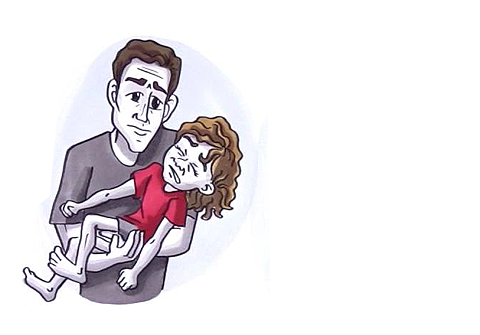
It is important to note that the symptoms of AHC can be severe and debilitating, and can significantly affect the quality of life of affected individuals and their families. The unpredictable nature of attacks and the complex combination of symptoms can also make it challenging to manage the disorder effectively.
Early diagnosis, appropriate medical management, and a comprehensive care plan can help to minimize the impact of AHC on the individual’s health and well-being. Management of AHC is typically individualized to address specific symptoms, and may involve a multidisciplinary team of healthcare professionals.

While there is currently no known cure for AHC, ongoing research is being conducted to better understand the underlying mechanisms of the disorder and to develop new treatments, including genetic therapies. With continued research and advances in treatment, there is hope that individuals with AHC can have improved outcomes and quality of life in the future.
How is alternating hemiplegia of childhood treated?
There is currently no cure for Alternating Hemiplegia of Childhood (AHC), but there are several treatment options available to manage the symptoms and improve the quality of life for individuals with AHC. Treatment is usually tailored to the individual’s specific symptoms and needs.
- Medications: Various medications can be used to manage AHC symptoms, including anti-epileptic drugs, beta-blockers, calcium channel blockers, and magnesium supplements. Medications may help to reduce the frequency and severity of hemiplegic episodes, improve dystonia, and manage other symptoms.
- Physical therapy and occupational therapy: Physical and occupational therapy can help improve mobility, muscle strength, and coordination, as well as help manage dystonia and other movement disorders. Braces or other orthotics may also be recommended to support weak or spastic muscles.
- Behavioral therapy: Behavioral therapy can help manage cognitive and emotional problems, including ADHD, anxiety, and depression. Therapy can also help individuals with AHC and their families manage the impact of the disorder on daily life and relationships.
- Respiratory support: In severe cases of AHC, respiratory support such as oxygen therapy, mechanical ventilation, or other interventions may be necessary.
- Diet and lifestyle modifications: Avoiding triggers that can worsen symptoms, such as fasting or extreme temperatures, may be helpful. Some individuals may benefit from a ketogenic diet, which is a high-fat, low-carbohydrate diet that has been shown to help some people with epilepsy and other neurological disorders.
- Research and clinical trials: There is ongoing research into new treatments for AHC, including genetic therapies and other experimental approaches. Clinical trials may be available for individuals with AHC who are interested in participating.

The treatment of AHC typically involves a multidisciplinary team of healthcare professionals, including neurologists, physical and occupational therapists, and other specialists. Working closely with healthcare providers who are familiar with AHC and its management can help individuals with AHC and their families develop an individualized treatment plan that addresses their specific needs and goals.