

Types of worms in stomach in humans?
There are several types of worms that can infect the human stomach or intestines. Some of the most common types include:
- Roundworms: These are the most common type of worm infection in humans. The most common roundworms are Ascaris lumbricoides and Trichuris trichiura.
- Tapeworms: These are flat, ribbon-like worms that can grow up to several meters in length. The most common tapeworms that infect humans are Taenia saginata and Taenia solium.
- Hookworms: These are small, thin worms that attach themselves to the intestinal wall and feed on blood. The most common hookworms are Ancylostoma duodenale and Necator americanus.
- Threadworms: These are tiny, thin worms that are about 1 cm in length. The most common threadworms that infect humans are Enterobius vermicularis.
- Whipworms: These are long, thin worms that live in the large intestine. The most common whipworm that infects humans is Trichuris trichiura.
What are the symptoms of worms in stomach?

The symptoms of worms in the stomach or intestines can vary depending on the type of worm infection, the severity of the infestation, and the individual’s immune response. Some common symptoms of worm infections include:
- Abdominal pain: This can range from mild discomfort to severe cramping.
- Diarrhea: This can be chronic or intermittent and may be accompanied by bloating, gas, or abdominal distension.
- Nausea and vomiting: This may be more common with certain types of worm infections, such as roundworms.
- Weight loss: Chronic worm infections can cause weight loss and malnutrition.
- Fatigue: Chronic worm infections can cause fatigue and weakness due to the body’s increased demand for nutrients.
- Itching: This is a common symptom of threadworm infections, as the female worms lay their eggs in the skin around the anus, causing intense itching.
- Anemia: This can occur with hookworm infections, as the worms attach themselves to the intestinal wall and feed on blood.
What causes stomach worms?
Stomach worms in humans are caused by various types of parasitic worms that live in the stomach or intestines. The most common types of worms that infect humans are roundworms, tapeworms, hookworms, threadworms, and whipworms.
These parasites enter the body through various means, such as contaminated food, water, soil, or fecal matter. For example, roundworms and hookworms can enter the body through contaminated soil, while tapeworms can be contracted by eating undercooked or raw meat. Threadworms are usually transmitted through contact with contaminated surfaces or through person-to-person contact.
Once the worms enter the body, they can reproduce and spread throughout the digestive system, causing symptoms such as abdominal pain, diarrhea, nausea, and vomiting. In some cases, severe infestations can lead to malnutrition, anemia, and other complications.
Preventing worm infestations involves proper hygiene practices, such as washing hands frequently, cooking meat thoroughly, and avoiding contact with contaminated soil or fecal matter. Treatment for worm infestations typically involves prescription medication to kill the worms and alleviate symptoms.
Stomach worms treatment
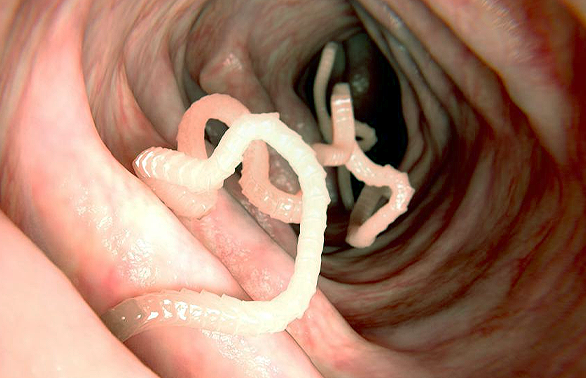
In general, the treatment involves prescription medication to kill the worms and alleviate symptoms.
Some common medications used to treat worm infections include:
- Albendazole: This is a broad-spectrum antiparasitic medication that can be used to treat several types of worm infections.
- Mebendazole: This medication is used to treat roundworm, whipworm, and hookworm infections.
- Praziquantel: This medication is used to treat tapeworm infections.
- Ivermectin: This medication is used to treat various types of worm infections, including roundworm and threadworm infections.
In addition to medication, it’s important to maintain good hygiene practices to prevent reinfection and spread of the infection. This includes washing hands frequently, cooking meat thoroughly, and avoiding contact with contaminated soil or fecal matter.
Natural treatment for intestinal worms in humans

Some natural treatments for intestinal worms in humans include:
- Garlic: Garlic has natural antiparasitic properties and may help kill intestinal worms. You can eat raw garlic or add it to your food, or take garlic supplements.
- Pumpkin seeds: Pumpkin seeds contain compounds that may help paralyze and eliminate intestinal worms. You can eat raw pumpkin seeds or grind them into a powder and mix with water or juice.
- Papaya seeds: Papaya seeds have been traditionally used to treat intestinal worms. You can eat raw papaya seeds or grind them into a powder and mix with honey or juice.
- Wormwood: Wormwood is an herb that has been used to treat intestinal worm infections. It can be taken as a supplement or brewed as a tea.
- Probiotics: Probiotics may help support the body’s immune system and restore the balance of good bacteria in the gut, which can help prevent and treat intestinal worm infections. You can take probiotic supplements or eat foods rich in probiotics, such as yogurt, kefir, and sauerkraut.