

Definition of Leukoplakia
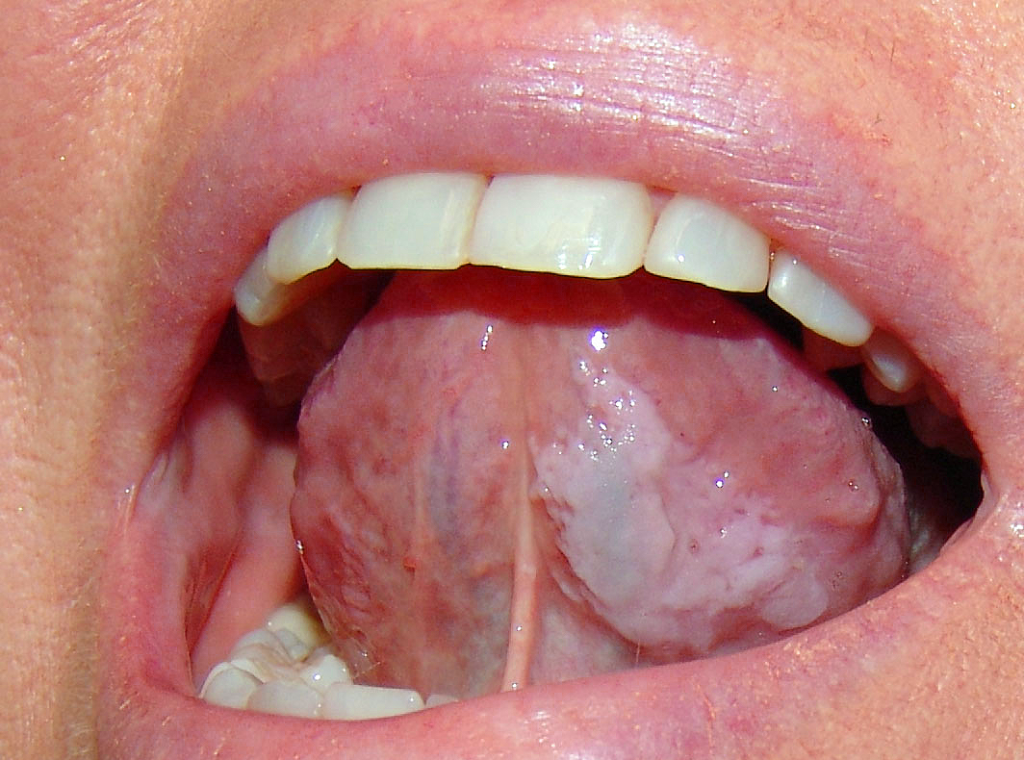
Leukoplakia is a condition characterized by the formation of white or gray patches on the mucous membranes of the mouth, including the tongue, gums, and inner cheeks. These patches may be rough, thick, or raised and can sometimes become cancerous. Leukoplakia is often caused by long-term irritation of the mucous membranes, typically from tobacco use, alcohol consumption, or poorly fitting dental appliances. While leukoplakia is not typically painful, it is important to seek medical attention if any white or gray patches are detected in the mouth to rule out the possibility of cancer or other serious conditions.
Cause of leukoplakia
The exact cause of leukoplakia is unknown, but it is often associated with tobacco use, including smoking and chewing tobacco. Other factors that may contribute to the development of leukoplakia include:
- Alcohol use: Heavy alcohol use can also increase the risk of leukoplakia.
- Chronic irritation: Irritation of the mucous membranes in the mouth from rough teeth, dentures, or other oral appliances may increase the risk of leukoplakia.
- Human papillomavirus (HPV) infection: Certain strains of HPV have been linked to an increased risk of oral cancer, which can be associated with leukoplakia.
- Weakened immune system: Individuals with a weakened immune system, such as those with HIV/AIDS or who have undergone organ transplantation, may be more susceptible to developing leukoplakia.
Symptoms of Leukoplakia
*How do you know if you have leukoplakia?

The symptoms of leukoplakia can vary from person to person, and some individuals may not experience any symptoms at all. However, the following signs may indicate the presence of leukoplakia:
- White or gray patches on the tongue, gums, or other parts of the mouth.
- Rough, thick, or raised areas on the tongue or inside of the cheek.
- Persistent soreness or irritation in the mouth.
- Difficulty chewing or swallowing.
- Changes in the way the teeth fit together when biting down.
Medical Treatment for Leukoplakia
The medical treatment for leukoplakia will depend on the severity of the condition and the risk of cancer development. Treatment options may include:
- Biopsy: A biopsy is a procedure in which a small sample of tissue is removed from the affected area for analysis. This can help to confirm the diagnosis of leukoplakia and rule out the possibility of cancer or other serious conditions.
- Removal of the lesion: Depending on the size and location of the lesion, it may be removed through surgery or laser therapy. This can help to eliminate the source of irritation and reduce the risk of cancer development.
- Topical medications: In some cases, topical medications may be used to treat the affected area. This can include medications to reduce inflammation or to promote the healing of damaged tissue.
- Follow-up visits: Individuals with leukoplakia will typically need to have regular follow-up visits with their healthcare provider or dentist to monitor the condition and ensure that there is no recurrence or progression of the lesion.
Prevention of Leukoplakia
The following are some steps you can take to help prevent leukoplakia:
- Avoid tobacco use: Tobacco use, including smoking and chewing tobacco, is one of the main causes of leukoplakia. Avoiding tobacco products can significantly reduce the risk of developing this condition.
- Limit alcohol consumption: Heavy alcohol consumption can also increase the risk of developing leukoplakia. Limiting alcohol intake or abstaining from alcohol altogether can help to prevent this condition.
- Practice good oral hygiene: Brushing and flossing regularly, using mouthwash, and visiting the dentist for regular check-ups can help to prevent the development of leukoplakia.
- Protect your mouth from irritation: Avoiding hot and spicy foods and other irritants that can damage the mucous membranes of the mouth can help to prevent the development of leukoplakia.
- Eat a healthy and balanced diet: Eating a diet rich in fruits, vegetables, whole grains, and lean protein sources can help to support overall health and reduce the risk of cancer and other chronic diseases.
Traditional medicine plant for leukoplakia

Here are some plants that are commonly used in traditional medicine:
- Aloe vera: Aloe vera has been traditionally used for its wound-healing and anti-inflammatory properties. It may help to soothe and heal the mucous membranes of the mouth affected by leukoplakia.
- Licorice root: Licorice root contains compounds that may have anti-inflammatory and anti-bacterial properties. It may help to reduce inflammation and irritation in the mouth.
- Turmeric: Turmeric contains a compound called curcumin, which has been shown to have anti-inflammatory and antioxidant properties. It may help to reduce inflammation and promote healing in the mouth.
- Green tea: Green tea contains compounds called catechins, which have been shown to have antimicrobial and anti-inflammatory properties. Drinking green tea may help to reduce inflammation and prevent the growth of bacteria in the mouth.
Can leukoplakia turn into cancer?
Leukoplakia can potentially turn into cancer, although not all cases of leukoplakia progress to cancer. The risk of progression to oral cancer depends on several factors, including the size and location of the leukoplakia patch, how long it has been present, and whether there are any additional risk factors present.
Studies have shown that about 3-17% of leukoplakia cases progress to oral cancer over a period of 5-15 years. The risk of progression is higher in cases where the leukoplakia is larger or thicker, located on the floor of the mouth or the undersurface of the tongue, and in individuals who smoke or use tobacco products.
Other risk factors that may increase the risk of progression to oral cancer include heavy alcohol use, poor oral hygiene, and a weakened immune system.