

Understanding Freckles: Causes and Characteristics
Freckles are small, dark spots on the skin that are caused by the accumulation of melanin, the pigment that gives our skin its color. While freckles are generally harmless, they can be a concern for some people who may feel self-conscious about their appearance.
Causes: The primary cause of freckles is exposure to ultraviolet (UV) radiation from the sun. When our skin is exposed to UV radiation, it triggers the production of melanin, which helps protect our skin from further damage. However, in some people, this excess melanin accumulates in clusters, resulting in freckles. People with fair skin, red or blonde hair, and blue or green eyes are more likely to develop freckles because their skin is less able to protect against UV radiation.
Characteristics: Freckles are usually small, flat, and round or oval in shape. They can vary in color from light brown to dark black and are more commonly found on areas of the skin that are frequently exposed to the sun, such as the face, neck, arms, and shoulders. Freckles may fade during the winter months or become more pronounced during the summer months, when UV radiation is stronger.
While freckles are generally harmless, it’s important to note that any changes in the size, shape, or color of freckles should be checked by a dermatologist, as they may be a sign of skin cancer. Additionally, protecting your skin from UV radiation through the use of sunscreen, protective clothing, and avoiding peak sun hours can help prevent the development of freckles and reduce the risk of skin cancer.
Beautiful Celebrity Women & Man with Adorable Freckles
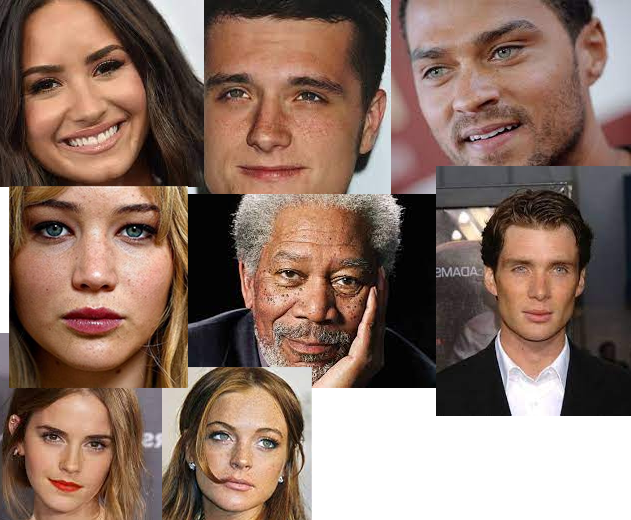
Freckles are a natural and unique feature that many people embrace and celebrate, including celebrities. Here are a few famous people with freckles:
- Emma Watson: British actress known for her role in the « Harry Potter » films.
- Meghan Markle: American actress and the Duchess of Sussex.
- Prince Harry: British Prince and Duke of Sussex.
- Julianne Moore: American actress known for her work in numerous films.
- Eddie Redmayne: British actor known for his role in « The Theory of Everything » and « Fantastic Beasts and Where to Find Them. »
- Olivia Munn: American actress known for her work in TV and film.
- Lily Cole: British model, actress, and entrepreneur.
- Karen Gillan: Scottish actress known for her role in the « Guardians of the Galaxy » films.
- Gigi Hadid: American model known for her work in the fashion industry.
- Seth Green: American actor, comedian, and producer.
What are the types of freckles?

There are two types of freckles: ephelides and solar lentigines.
- Ephelides: These are the more common type of freckles, usually found on people with fair skin. Ephelides are small, flat, and light brown in color. They tend to appear on areas of the skin that are frequently exposed to the sun, such as the face, arms, and shoulders.
- Solar lentigines: Also known as age spots or liver spots, these freckles are caused by long-term sun exposure. They are larger and darker than ephelides, and they tend to appear later in life, usually after the age of 40. Unlike ephelides, solar lentigines are not always related to sun exposure and can be caused by other factors such as genetics or hormonal changes.
Freckles in Mythology

Freckles have been a subject of fascination in mythology and folklore throughout history. In many cultures, freckles were seen as a sign of beauty, while in others, they were associated with negative traits. Here are a few examples:
- In Irish mythology, it was believed that freckles were a sign of good luck. It was said that those with freckles were protected by fairies and would have a happy and prosperous life.
- In ancient Greek mythology, freckles were associated with the goddess of love, Aphrodite. According to legend, Aphrodite had freckles on her nose, which she was very proud of.
- In some Native American cultures, freckles were seen as a sign of a person’s connection to nature. It was believed that those with freckles had a special bond with the earth and were more in tune with its rhythms.
- In medieval Europe, freckles were associated with witches and were considered a mark of the devil. People with freckles were often accused of practicing witchcraft and were persecuted for it.
Preventing and Treating Freckles
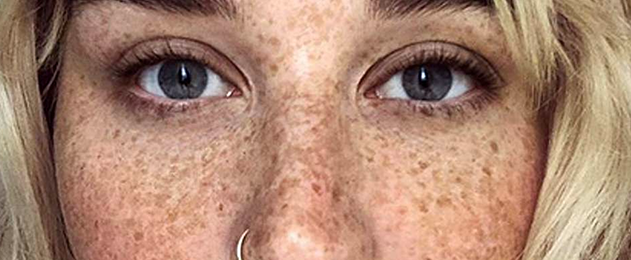
While freckles are generally harmless, many people wish to prevent or reduce their appearance for cosmetic reasons. Here are some ways to prevent and treat freckles:
- Sun protection: The best way to prevent freckles is to protect your skin from the sun. This can be done by wearing protective clothing such as hats, long-sleeved shirts, and sunglasses, and by applying sunscreen with a high SPF before going outside.
- Skin lightening products: Over-the-counter skin lightening products that contain ingredients such as hydroquinone, kojic acid, or glycolic acid may help to reduce the appearance of freckles over time. However, it’s important to use these products as directed and to avoid any products that may irritate the skin.
- Laser therapy: Laser therapy can be used to target and remove freckles from the skin. This involves using a laser to break down the melanin clusters that cause freckles. Laser therapy is generally safe and effective, but it can be expensive and may require multiple treatments.
- Chemical peels: Chemical peels involve applying a solution to the skin that causes the top layer of skin to peel off, revealing fresher, lighter skin underneath. This can help to reduce the appearance of freckles and other skin discolorations. However, chemical peels should only be performed by a licensed professional.
It’s important to note that freckles are a natural and harmless part of the skin’s pigment. While some people may wish to prevent or treat freckles, it’s important to embrace and celebrate the unique characteristics of our skin