
What are 6 early warning signs of Myeloma cancer?
Myeloma, also known as multiple myeloma, is a type of cancer that affects plasma cells, a type of white blood cell found in the bone marrow. Here are some common early warning signs of Myeloma cancer:
- Bone pain: This is the most common symptom of Myeloma. Patients may experience persistent pain in the bones, particularly in the back, ribs, hips, and skull.
- Fatigue: People with Myeloma may feel tired and weak due to anemia, a condition in which there are not enough red blood cells in the body.
- Frequent infections: Myeloma weakens the immune system, making patients more susceptible to infections. Patients may experience recurrent infections, particularly in the lungs and urinary tract.
- Unexplained weight loss: Patients may lose weight unintentionally due to the loss of appetite or other symptoms.
- Bone fractures: The weakened bones of patients with Myeloma are more prone to fractures. Patients may experience fractures even with minimal trauma.
- Numbness or weakness: Myeloma may cause nerve damage, resulting in numbness or weakness in the legs or arms.
It is important to note that these symptoms can also be caused by other conditions.
What is the 6 main cause of multiple Myeloma?
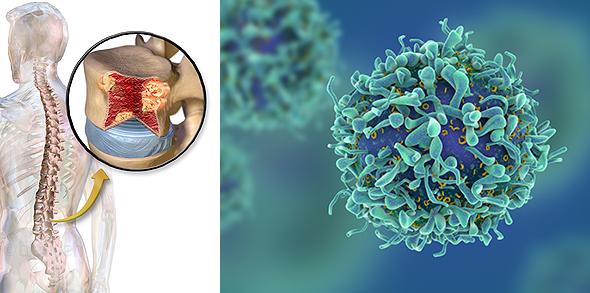
The exact cause of Myeloma cancer is not known, but it is believed to develop as a result of a combination of genetic and environmental factors. Some factors that may increase the risk of developing Myeloma include:
- Age: Myeloma is more common in older people, with the majority of cases occurring in individuals over the age of 65.
- Gender: Men are slightly more likely to develop Myeloma than women.
- Race and ethnicity: Myeloma is more common in African Americans than in Caucasians or Asians.
- Family history: Having a first-degree relative (parent, sibling, or child) with Myeloma increases the risk of developing the disease.
- Exposure to radiation or certain chemicals: Exposure to high levels of radiation, certain chemicals such as benzene, and other toxins may increase the risk of developing Myeloma.
- Weakened immune system: Individuals with weakened immune systems, such as those who have had an organ transplant or those with HIV, are at increased risk of developing Myeloma.
It is important to note that most people with these risk factors do not develop Myeloma, and many people without these risk factors still develop the disease.
What are the 4 phases of Multiple Myeloma?
The progression of multiple myeloma can be divided into four stages, based on the amount of cancerous cells and the presence of related symptoms. The staging system commonly used for multiple myeloma is called the International Staging System (ISS).
The stages of multiple myeloma are as follows:
Stage I: In this stage, the level of monoclonal protein (a type of antibody produced by cancerous cells) in the blood is low, and there are no related symptoms or only mild symptoms such as bone pain.
Stage II: This stage is divided into two sub-stages: II-A and II-B. In Stage II-A, the level of monoclonal protein is intermediate, and there may be some related symptoms such as anemia or elevated calcium levels. In Stage II-B, the level of monoclonal protein is high, but there are no related symptoms.
Stage III: In this stage, the level of monoclonal protein in the blood is very high, and there may be related symptoms such as bone pain, anemia, and kidney damage.
Refractory or relapsed: This stage refers to multiple myeloma that has either not responded to treatment or has returned after a period of remission.
Multiple Myeloma Treatment

he treatment of Myeloma cancer depends on several factors, including the stage of the cancer, the person’s age and overall health, and other individual factors. Here are some common treatment options for Myeloma cancer:
- Chemotherapy: This is a type of treatment that uses drugs to kill cancer cells. Chemotherapy is often given in cycles, with breaks in between to allow the body to recover.
- Radiation therapy: This involves the use of high-energy radiation to kill cancer cells. Radiation therapy is often used to treat bone pain caused by Myeloma.
- Stem cell transplant: This is a procedure that involves replacing the patient’s diseased bone marrow with healthy stem cells. The stem cells can be obtained from the patient’s own body (autologous transplant) or from a donor (allogeneic transplant).
- Targeted therapy: This is a type of treatment that targets specific proteins or other molecules involved in the growth and spread of cancer cells. Targeted therapy can help slow or stop the growth of Myeloma cells.
- Immunotherapy: This is a type of treatment that uses the body’s immune system to fight cancer. Immunotherapy can be used alone or in combination with other treatments.
- Supportive care: This includes treatments to manage symptoms and complications of Myeloma, such as pain, anemia, and infections.
Bone Cancer & Multiple Myeloma
Bone cancer is a rare type of cancer that begins in the bone tissue. There are several types of bone cancer, including osteosarcoma, chondrosarcoma, and Ewing sarcoma. Bone cancer can develop in any bone in the body, but it most commonly occurs in the long bones of the arms and legs. Symptoms of bone cancer can include pain, swelling, and tenderness in the affected bone, as well as fatigue, weight loss, and fever. Treatment options for bone cancer may include surgery, chemotherapy, radiation therapy, or a combination of these treatments.
n summary, bone cancer and multiple myeloma are both types of cancer that affect the bone tissue, but they have different causes, symptoms, and treatment options.
What is life expectancy after multiple Myeloma?
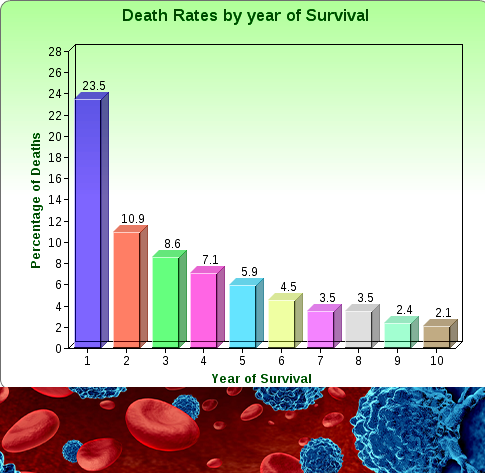
With current treatment options, many people with Myeloma are able to live for many years after diagnosis.
According to the American Cancer Society, the 5-year survival rate for people with Myeloma is approximately 53%. This means that about 53% of people with Myeloma are expected to live for at least 5 years after diagnosis. However, it is important to note that survival rates are based on population statistics and do not take into account individual factors such as age, overall health, and response to treatment.
With advances in treatment options, including the use of novel therapies such as immunotherapy and targeted therapy, the outlook for people with Myeloma is improving.
Nutrition for Myeloma Patients

Good nutrition is essential for people with Myeloma cancer, as it can help maintain strength, support the immune system, and help manage side effects of treatment. Here are some nutrition tips for people with Myeloma:
- Eat a balanced diet: A balanced diet that includes a variety of fruits, vegetables, whole grains, lean protein, and healthy fats can help provide the nutrients needed for optimal health.
- Stay hydrated: Drinking enough fluids, such as water or herbal tea, can help prevent dehydration, which can be a common side effect of chemotherapy.
- Consider supplements: Some people with Myeloma may benefit from supplements, such as vitamin D, calcium, and magnesium, to support bone health. However, it is important to discuss the use of supplements with a healthcare provider.
- Manage side effects: People with Myeloma may experience side effects of treatment that can affect their ability to eat, such as nausea, vomiting, and mouth sores. Working with a healthcare provider and a registered dietitian can help manage these side effects and maintain good nutrition.
- Avoid certain foods: Some foods, such as raw or undercooked meat, fish, and eggs, and unpasteurized dairy products, can increase the risk of infection. People with Myeloma should also avoid foods that can cause digestive issues, such as spicy or greasy foods.
- Limit alcohol: Alcohol can weaken the immune system and interfere with the body’s ability to absorb nutrients. People with Myeloma should limit their alcohol intake or avoid it altogether.
Pain medication for multiple Myeloma

Here are some commonly used pain medications for Myeloma cancer:
- Nonsteroidal anti-inflammatory drugs (NSAIDs): NSAIDs such as ibuprofen and naproxen can be used to relieve mild to moderate pain. These medications work by reducing inflammation, which can help relieve pain.
- Opioids: Opioids such as morphine, oxycodone, and fentanyl are strong pain medications that can be used to relieve moderate to severe pain. These medications work by binding to opioid receptors in the brain and spinal cord, which can help reduce pain.
- Corticosteroids: Corticosteroids such as dexamethasone and prednisone can be used to reduce inflammation and relieve pain in people with Myeloma. These medications are often used in combination with other pain medications.
- Antidepressants: Antidepressants such as amitriptyline and duloxetine can be used to relieve nerve pain (neuropathic pain) that is often associated with Myeloma.
- Anticonvulsants: Anticonvulsant medications such as gabapentin and pregabalin can also be used to relieve nerve pain.