
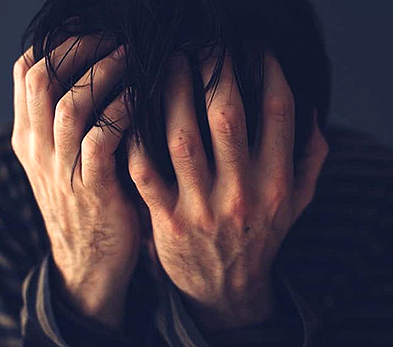
What is a depression?
In a general sense, the term « depression » can refer to a low mood or feeling sad or discouraged. However, in a clinical context, depression typically refers to a mental health disorder that is characterized by persistent feelings of sadness, hopelessness, and loss of interest or pleasure in activities that a person previously enjoyed.
Clinical depression, also known as major depressive disorder (MDD), is a common and serious medical condition that can affect a person’s ability to function in daily life. Symptoms of depression can vary, but often include:
- Persistent sadness or feelings of emptiness
- Loss of interest or pleasure in activities that were once enjoyable
- Fatigue or lack of energy
- Difficulty concentrating or making decisions
- Changes in appetite or weight
- Sleep disturbances (such as insomnia or excessive sleeping)
- Feelings of worthlessness, guilt, or hopelessness
- Thoughts of death or suicide
Depression can be caused by a combination of genetic, biological, environmental, and psychological factors, and it can be treated with a variety of therapies, including medication, psychotherapy, and lifestyle changes. It’s important to seek help from a mental health professional if you are experiencing symptoms of depression, as early intervention can improve outcomes and quality of life.
Is anxiety and depression inherited?
Both anxiety and depression can have genetic components, meaning that they can be inherited. Research has shown that certain genetic variations can increase a person’s susceptibility to developing anxiety and depression, although it’s important to note that genes alone do not determine whether someone will experience these conditions. Other factors, such as life experiences, environment, and lifestyle, also play a role.
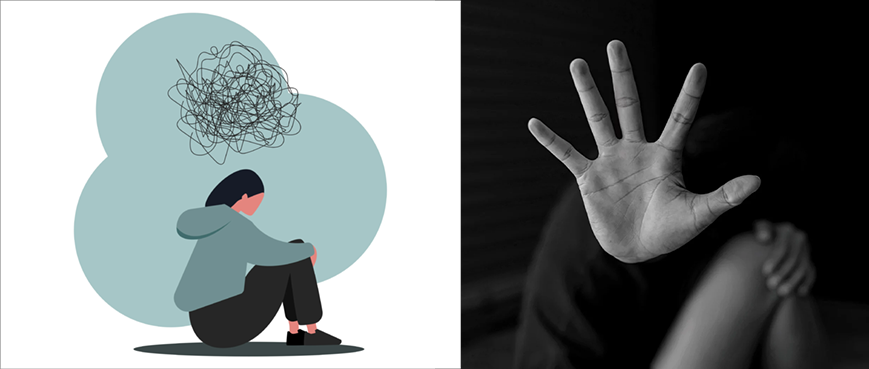
Anxiety and depression can also be influenced by epigenetic factors, which are changes in gene expression that occur in response to environmental influences. For example, traumatic or stressful experiences can trigger epigenetic changes that increase a person’s risk of developing anxiety or depression.
It’s worth noting that while genetic factors can increase the risk of developing anxiety and depression, they do not guarantee that someone will develop these conditions. Conversely, a person without a family history of anxiety or depression can still experience these conditions due to other factors.
If you are concerned about your risk of developing anxiety or depression, it’s important to speak with a mental health professional. They can help you better understand your risk factors and provide guidance on prevention or treatment options.
Statistics about depression.
Depression is a common mental health condition that affects millions of people worldwide. Here are some statistics about depression:
- Prevalence: Depression is one of the most common mental health disorders in the world, with an estimated 322 million people affected globally.
- Age: Depression can affect people of all ages, but it is most commonly diagnosed in adults between the ages of 18 and 45.
- Gender: Women are more likely to experience depression than men. The lifetime prevalence of major depression is 20-26% for women and 8-12% for men.
- Economic burden: Depression is a major contributor to the global burden of disease, and it is estimated to cause over 200 million lost workdays each year in the United States alone. The economic burden of depression is estimated to be over $210 billion in the U.S. each year.
- Comorbidity: Depression often co-occurs with other mental health disorders, such as anxiety or substance use disorders. Up to 50% of people with depression also have an anxiety disorder.
- Suicide risk: Depression is a major risk factor for suicide, and up to 60% of people who die by suicide have a mood disorder such as depression.
- Treatment: Depression is highly treatable, with effective treatments including psychotherapy, medication, or a combination of the two. However, it is estimated that only about 50% of people with depression receive adequate treatment.
Depression vs normal sadness.
Depression and normal sadness are different in their duration, intensity, and impact on daily life. While everyone experiences sadness or low mood from time to time, depression is a more severe and persistent mental health disorder.
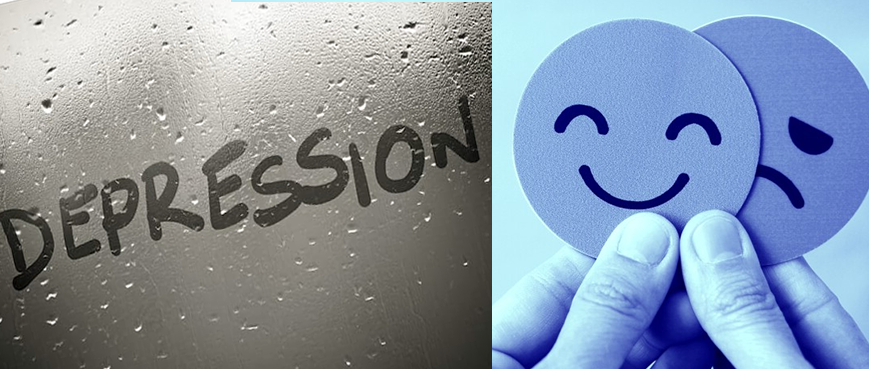
Normal sadness, or « feeling blue, » is a natural response to a difficult or disappointing situation, such as a breakup, job loss, or the death of a loved one. These feelings usually subside within a few days or weeks as the person adjusts to the situation or receives support from others.
In contrast, depression involves persistent and pervasive feelings of sadness, hopelessness, and a lack of interest or pleasure in activities that used to be enjoyable. These symptoms may last for weeks, months, or even years and can interfere with a person’s ability to function in daily life. In some cases, depression may also be accompanied by physical symptoms such as changes in appetite, sleep disturbances, and fatigue.
Other key differences between normal sadness and depression include:
- Triggers: Normal sadness is usually triggered by a specific event or situation, while depression may not have an obvious cause or trigger.
- Self-esteem: People experiencing normal sadness typically retain a sense of self-worth, whereas those with depression may feel worthless or guilty.
- Treatment: Normal sadness can often be resolved through self-care and support from friends and family, while depression often requires professional treatment, such as therapy and/or medication.
It’s important to seek help from a mental health professional if you are experiencing symptoms of depression, as early intervention can improve outcomes and quality of life.
What are the 7 main causes of depression?
The causes of depression are complex and can vary from person to person. Some of the most common factors that can contribute to the development of depression include:

- Genetics: There is evidence that depression can run in families, and certain genetic variations can increase a person’s susceptibility to developing the disorder.
- Brain chemistry: Depression is believed to be related to an imbalance in certain chemicals in the brain, such as serotonin and dopamine, which can affect mood regulation.
- Life events: Traumatic or stressful life events, such as the loss of a loved one, relationship problems, financial difficulties, or a major life change, can trigger depression.
- Chronic medical conditions: Chronic pain, illness, or other medical conditions can increase the risk of depression.
- Substance abuse: Substance abuse, including drug and alcohol abuse, can increase the risk of depression.
- Environmental factors: Environmental factors, such as exposure to pollution or toxins, may also contribute to depression.
- Personality factors: Certain personality traits, such as low self-esteem, a negative outlook on life, or a tendency to worry excessively, may increase the risk of depression.
It’s worth noting that depression can result from a combination of these factors, and not everyone who experiences these risk factors will develop depression.
What is bipolar depression?
Bipolar depression, also known as bipolar disorder or manic-depressive illness, is a mental health condition characterized by extreme shifts in mood, energy, and activity levels. It is called « bipolar » because it involves two distinct mood episodes: manic or hypomanic episodes and depressive episodes.

During manic or hypomanic episodes, people with bipolar disorder experience periods of intense, elevated or irritable mood, increased energy, decreased need for sleep, racing thoughts, impulsivity, and risky behavior. During depressive episodes, they experience symptoms of major depression, including sadness, loss of interest or pleasure, changes in appetite and sleep patterns, fatigue, feelings of worthlessness or guilt, difficulty concentrating, and thoughts of suicide.
Bipolar disorder is a chronic condition that requires ongoing treatment, including medication, therapy, and lifestyle changes.
How can I recover from depression?
Recovery from depression is a gradual process that can take time, effort, and support. The following are some steps that may help in the recovery process:
- Seek professional help: If you suspect that you may be experiencing depression, it’s important to seek help from a mental health professional. A qualified therapist or psychiatrist can help you identify the underlying causes of your depression and provide effective treatment, such as psychotherapy, medication, or a combination of the two.
- Stay connected: Depression can make you want to withdraw from social contact, but staying connected with friends and loved ones is important for recovery. Try to maintain regular contact with supportive people in your life.
- Practice self-care: Self-care activities such as regular exercise, healthy eating, getting enough sleep, and engaging in activities you enjoy can help improve your mood and energy levels.
- Challenge negative thoughts: Depression can lead to negative thoughts and beliefs about yourself and the world around you. A therapist can help you identify and challenge these negative thoughts, replacing them with more positive and realistic ones.
- Set achievable goals: Setting small, achievable goals for yourself can help you build confidence and a sense of accomplishment, which can help improve your mood and motivation.
- Find purpose: Engaging in activities that give you a sense of purpose, such as volunteering or pursuing a hobby, can help improve your mood and sense of fulfillment.
- Be patient and kind to yourself: Recovery from depression can be a slow process, and setbacks may occur. It’s important to be patient and kind to yourself, and to seek support when needed.

Remember, depression is a treatable condition and with the right help and support, recovery is possible.
What are the top 4 antidepressants?
In general, there are several classes of antidepressants that are commonly used, including:
- Selective serotonin reuptake inhibitors (SSRIs): SSRIs are a widely used class of antidepressants that work by increasing the levels of the neurotransmitter serotonin in the brain. Some common SSRIs include fluoxetine (Prozac), sertraline (Zoloft), and escitalopram (Lexapro).
- Serotonin-norepinephrine reuptake inhibitors (SNRIs): SNRIs work by increasing levels of the neurotransmitters serotonin and norepinephrine. Some common SNRIs include venlafaxine (Effexor) and duloxetine (Cymbalta).
- Tricyclic antidepressants (TCAs): TCAs were some of the first antidepressants developed and work by increasing levels of neurotransmitters such as serotonin and norepinephrine. Some common TCAs include amitriptyline (Elavil) and nortriptyline (Pamelor).
- Monoamine oxidase inhibitors (MAOIs): MAOIs are an older class of antidepressants that work by inhibiting the breakdown of neurotransmitters such as serotonin and norepinephrine. MAOIs can interact with certain foods and medications, so they are generally only used when other treatments have not been effective.

In addition to these medications, there are other classes of antidepressants that may be used in certain situations, such as atypical antidepressants, which include drugs like bupropion (Wellbutrin) and mirtazapine (Remeron).
It’s important to note that different people may respond differently to these medications, and finding the right medication and dosage often involves trial and error. It’s also important to work closely with a healthcare provider to monitor for potential side effects and make adjustments to the treatment plan as needed.
What foods are natural antidepressants?
While there is no one « miracle » food that can cure depression, certain foods have been found to have mood-boosting properties and can be helpful in supporting overall mental health.

Here are some foods that have been shown to have natural antidepressant properties:
- Fatty fish: Fatty fish like salmon, tuna, and sardines are high in omega-3 fatty acids, which have been linked to a lower risk of depression and improved mood.
- Nuts and seeds: Nuts and seeds, such as walnuts, almonds, and flaxseeds, are high in omega-3 fatty acids and other nutrients that can support brain health.
- Dark chocolate: Dark chocolate contains compounds like flavonoids and phenylethylamine that can boost mood and improve feelings of well-being.
- Berries: Berries like blueberries and strawberries are high in antioxidants and other nutrients that have been linked to lower rates of depression and anxiety.
- Fermented foods: Fermented foods like yogurt, kefir, and kimchi contain probiotics, which can support gut health and have been linked to lower rates of depression.
- Leafy greens: Leafy greens like spinach and kale are high in nutrients like folate and magnesium, which have been linked to lower rates of depression and improved mood.
It’s worth noting that a healthy diet is just one part of a comprehensive approach to managing depression.