

Symptoms of Ear Infections
Ear infections can cause a range of symptoms, depending on which part of the ear is affected and the severity of the infection. Here are some common symptoms of ear infections:
- Ear pain: This is usually the most common symptom of an ear infection. The pain may be mild or severe and can be a sharp, dull, or burning sensation. In some cases, the pain may be constant, while in others, it may come and go.
- Ear discharge: If the ear infection causes the eardrum to rupture, pus or other fluids may drain out of the ear.
- Difficulty hearing: Ear infections can cause hearing loss or muffled hearing. This is because the fluid buildup in the ear can block sound waves from entering the ear.
- Tinnitus: Some people may experience ringing or buzzing in their ears.
- Dizziness or vertigo: Ear infections can affect the balance system in the inner ear, causing dizziness or vertigo.
- Fever: A fever may occur in more severe cases of ear infections.
- Headache: Headaches may occur due to the pain and pressure associated with ear infections.
In children, ear infections may also cause:
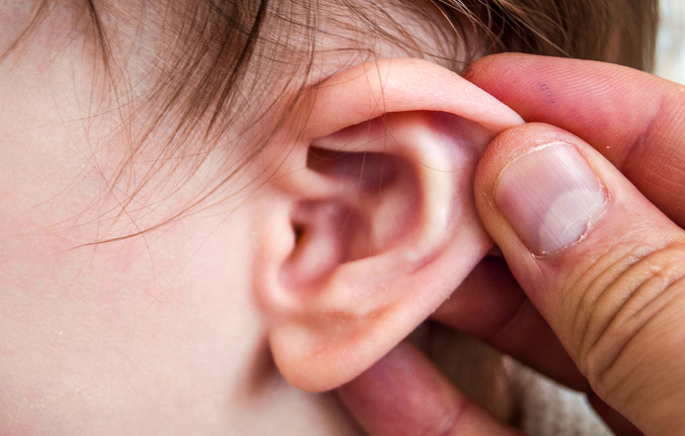
- Tugging or pulling at the ear: Children may tug or pull at their ears to alleviate the pain and discomfort.
- Irritability: Children may be irritable or fussy due to the pain and discomfort associated with ear infections.
- Difficulty sleeping: Ear infections can cause discomfort and make it difficult for children to sleep.
Common causes of ear infections
Here are some common causes of ear infections:
- Upper respiratory infections: Infections of the nose, sinuses, or throat can spread to the middle ear, causing an ear infection.
- Allergies: Allergies can cause inflammation and fluid buildup in the middle ear, making it more susceptible to infection.
- Blocked Eustachian tubes: The Eustachian tubes connect the middle ear to the back of the throat, allowing air to enter and fluid to drain. If they become blocked due to allergies, a cold, or sinus infection, the middle ear can become infected.
- Smoking: Exposure to cigarette smoke can cause inflammation and irritation in the upper respiratory system, increasing the risk of ear infections.
- Enlarged adenoids: The adenoids are lymph nodes located in the back of the nasal cavity. When they become enlarged, they can block the Eustachian tubes, leading to an ear infection.
- Drinking while lying down: Drinking while lying down can cause the fluid to flow back into the Eustachian tube and increase the risk of infection.
- Foreign objects: Objects that are inserted into the ear canal can cause irritation and damage to the ear, increasing the risk of infection.
- Swimmer’s ear: Swimming in contaminated water or not drying the ears after swimming can lead to an infection of the outer ear, also known as swimmer’s ear.
Treatment Options for Ear Infections

The treatment for ear infections depends on the severity and cause of the infection. Here are some common treatment options:
- Antibiotics: If the ear infection is caused by bacteria, antibiotics may be prescribed. It’s important to take the full course of antibiotics as directed by the doctor, even if symptoms improve.
- Pain relievers: Over-the-counter pain relievers, such as ibuprofen or acetaminophen, can help relieve pain and reduce fever.
- Ear drops: If the infection is in the outer ear (swimmer’s ear), ear drops may be prescribed to help clear the infection.
- Decongestants: If the ear infection is caused by congestion in the nasal passages, decongestants may help relieve the congestion and improve drainage.
- Myringotomy: In severe cases, a myringotomy may be performed. This involves making a small incision in the eardrum to drain the fluid and relieve pressure.
- Tympanostomy tubes: For chronic ear infections or recurrent infections, a small tube may be inserted into the eardrum to allow for better drainage and ventilation.
https://doross.ma/alouette2.pdf
Home remedies for ear infections

Here are some home remedies for ear infections:
- Warm compress: Applying a warm compress to the affected ear can help relieve pain and reduce inflammation. You can use a warm, damp washcloth or a heating pad set to low.
- Garlic oil: Garlic has natural antibacterial and anti-inflammatory properties. Putting a few drops of warm garlic oil into the affected ear may help fight the infection and relieve pain.
- Apple cider vinegar: Apple cider vinegar has antimicrobial properties that may help fight the infection. Mix equal parts of apple cider vinegar and water and soak a cotton ball in the mixture. Place the cotton ball in the affected ear for a few minutes and then remove.
- Olive oil: Warm olive oil can help relieve pain and soothe inflammation. Put a few drops of warm olive oil into the affected ear and let it sit for a few minutes before tilting your head to drain the oil out.
- Breast milk: For infants, breast milk can be a natural and effective remedy for ear infections. Place a few drops of breast milk into the affected ear to help fight the infection and relieve pain.
Tips for preventing ear infections
Here are some tips for preventing ear infections:
- Keep your ears clean and dry: Avoid inserting cotton swabs or other objects into your ear canal, as this can damage the delicate skin and increase the risk of infection. Dry your ears thoroughly after swimming or showering.
- Avoid smoking: Exposure to cigarette smoke can irritate the upper respiratory system and increase the risk of ear infections.
- Practice good hygiene: Wash your hands frequently, especially before eating or touching your face, to avoid the spread of germs.
- Stay up-to-date on vaccinations: Vaccines for certain illnesses, such as the flu and pneumococcal disease, can help reduce the risk of ear infections.
- Treat allergies promptly: Allergies can cause inflammation and fluid buildup in the middle ear, making it more susceptible to infection. Treat allergies with medication or other remedies to reduce the risk of ear infections.
- Avoid exposure to pollutants: Exposure to pollutants, such as air pollution and industrial chemicals, can irritate the upper respiratory system and increase the risk of ear infections.
- Breastfeed your baby: Breast milk contains antibodies that can help strengthen your baby’s immune system and reduce the risk of ear infections.
- Practice good daycare hygiene: Choose a daycare with a clean and hygienic environment, and ensure that caregivers wash their hands frequently and follow good hygiene practices to avoid the spread of germs.
- https://doross.ma/alouette1.pdf