
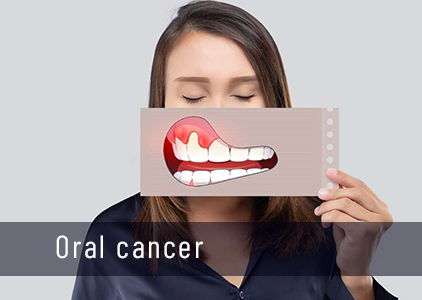
Symptoms of Oral Cancer
Oral cancer can present with a variety of symptoms, both visible and sensory. It is important to note that these symptoms may be caused by conditions other than oral cancer, but they should still be evaluated by a healthcare professional. Here are some common symptoms of oral cancer:
A. Visible Symptoms
- Red or white patches in the mouth: These patches may appear on the tongue, gums, or other areas of the mouth. They may be flat or raised and can be painful or painless.
- Sores or ulcers that do not heal: These sores may bleed easily and can be present for several weeks or months.
- Lumps or growths in the mouth: These may appear as bumps or thickened areas on the lips, gums, or other areas of the mouth.
B. Sensory Symptoms
- Pain in the mouth or throat: This pain may be persistent or occur only when swallowing or speaking.
- Difficulty swallowing or chewing: This may be due to a lump or sore in the mouth or throat.
- Numbness or tingling in the mouth or tongue: This may be a sign of nerve damage and can also be caused by other medical conditions.
Diagnosis of Oral Cancer

If you experience any of the symptoms of oral cancer, your healthcare provider may perform a series of tests to diagnose the condition. Here are some common diagnostic methods used for oral cancer:
A. Physical examination: Your healthcare provider will examine your mouth, throat, and neck for any abnormalities or lumps. They may also ask you about your medical history and any risk factors you may have for oral cancer, such as tobacco or alcohol use.
B. Biopsy: A biopsy involves removing a small piece of tissue from the suspected area in your mouth and examining it under a microscope to look for cancer cells. This is the most definitive way to diagnose oral cancer.
C. Imaging tests: Imaging tests such as X-rays, CT scans, MRI scans, and PET scans may be used to determine the extent and location of the cancer. These tests can also help identify if the cancer has spread to other areas of the body.
Treatment of Oral Cancer
The treatment of oral cancer depends on the type and stage of cancer, as well as the patient’s overall health. Treatment options may include:
A. Surgery: Surgery is often the first line of treatment for oral cancer. This may involve removing the tumor and any surrounding tissue or lymph nodes.

B. Radiation therapy: Radiation therapy uses high-energy X-rays to kill cancer cells. It may be used alone or in combination with other treatments.
- External radiation: This involves directing radiation at the affected area from outside the body.
- Internal radiation: This involves placing a radioactive source directly into the tumor.
C. Chemotherapy: Chemotherapy uses drugs to kill cancer cells. It may be used alone or in combination with other treatments.
D. Targeted therapy: Targeted therapy uses drugs that specifically target cancer cells, while sparing healthy cells.
Your healthcare provider will discuss the best treatment plan for your specific case of oral cancer, taking into account the type and stage of cancer, as well as your overall health.
Prevention of Oral Cancer

While some risk factors for oral cancer cannot be changed, such as family history and age, there are several steps you can take to reduce your risk of developing oral cancer. Here are some prevention strategies:
A. Avoiding risk factors: The most common risk factors for oral cancer include tobacco use (including smoking and smokeless tobacco) and excessive alcohol consumption. Limiting or avoiding these risk factors can significantly reduce your risk of developing oral cancer.
B. Maintaining good oral hygiene: Regular brushing, flossing, and dental checkups can help maintain good oral health and reduce the risk of oral cancer.
C. Regular dental checkups: Regular dental checkups can help detect oral cancer at an early stage. Your dentist can perform an oral cancer screening during your routine checkup.
D. HPV vaccination: The human papillomavirus (HPV) has been linked to some cases of oral cancer. The HPV vaccine can reduce the risk of developing certain types of HPV that are associated with oral cancer.
E. Healthy lifestyle habits: Eating a healthy diet, getting regular exercise, and managing stress can help boost your immune system and reduce your risk of developing oral cancer.