

What triggers stiff person syndrome?
The exact cause of Stiff Person Syndrome (SPS) is not yet fully understood, and it is likely to be a combination of genetic and environmental factors. However, SPS is believed to be an autoimmune disorder, which means that the body’s immune system mistakenly attacks healthy cells and tissues.
The triggers of SPS are not fully understood, but it is thought that certain events or factors can activate or worsen the immune response. Some possible triggers of SPS include:
- Stress or emotional trauma
- Infections, such as viral or bacterial infections
- Physical trauma or injury
- Surgery or medical procedures
- Hormonal changes, such as those during pregnancy or menopause
It is important to note that not everyone with SPS will have the same triggers, and some people may not experience any identifiable triggers at all. Treatment for SPS often involves a combination of medication to suppress the immune system, physical therapy, and other supportive therapies to manage symptoms and improve quality of life. If you suspect that you or someone you know may have SPS, it’s important to consult a healthcare professional for an accurate diagnosis and appropriate treatment plan.
Can stiff person syndrome be cured?
Stiff Person Syndrome (SPS) is a rare and complex neurological disorder that currently has no cure. However, with proper management and treatment, many people with SPS can achieve significant improvement in their symptoms and overall quality of life.

The primary goal of treatment for SPS is to control symptoms, slow disease progression, and reduce the risk of complications. This often involves a combination of medications, physical therapy, and other supportive therapies to manage symptoms, improve mobility, and prevent injury.
Some common medications used to treat SPS include high-dose benzodiazepines, such as diazepam and clonazepam, as well as intravenous immunoglobulin (IVIG) and other immunosuppressive therapies. Physical therapy may also be recommended to help improve flexibility, strength, and balance.
It is important to work closely with a healthcare professional to develop a personalized treatment plan that takes into account your individual needs and preferences. While there is currently no cure for SPS, many people with the condition are able to manage their symptoms and live full and meaningful lives with the help of proper medical care and support.
Is stiff person syndrome painful?
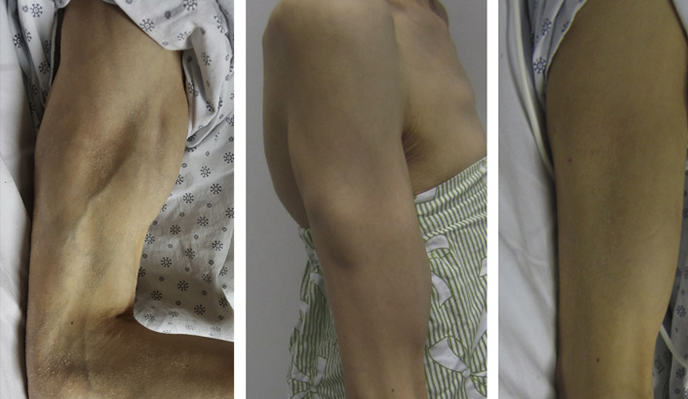
Stiff Person Syndrome (SPS) is a rare and complex neurological disorder that can cause a range of symptoms, including stiffness and spasms in the muscles, particularly in the trunk and limbs. While SPS can be uncomfortable or distressing, it is not generally considered a painful condition.
However, people with SPS may experience discomfort or pain as a result of muscle stiffness, spasms, or falls. In some cases, muscle stiffness can be so severe that it interferes with mobility or causes postural abnormalities that can be painful or uncomfortable. Additionally, some people with SPS may develop related conditions, such as fibromyalgia or peripheral neuropathy, which can cause pain or discomfort.
It is important to discuss any symptoms or concerns with a healthcare professional, as they can provide guidance on managing symptoms and addressing any related conditions. Treatment for SPS often involves a combination of medication, physical therapy, and other supportive therapies to manage symptoms and improve quality of life.
What is life expectancy for stiff person syndrome?
The life expectancy of a person with Stiff Person Syndrome (SPS) varies depending on the severity of the disease, the age of onset, and the presence of any related conditions. However, SPS is generally considered a chronic and progressive condition that can lead to significant disability and reduced life expectancy, particularly in more severe cases.
While there is no cure for SPS, proper management and treatment can help control symptoms and improve quality of life. Some people with SPS are able to manage their symptoms and live full and meaningful lives with the help of medical care, physical therapy, and other supportive therapies.
However, in more severe cases, SPS can lead to significant disability and reduced life expectancy. Complications of the disease can include falls, fractures, and respiratory failure. In some cases, people with SPS may also develop related conditions, such as autoimmune disorders, cancer, or infections, which can further impact life expectancy.
It’s important to work closely with a healthcare professional to develop a personalized treatment plan and to manage any related conditions. A supportive care team, including physical and occupational therapists, speech therapists, and mental health professionals, can also be important in managing the many challenges of SPS.
What famous person has stiff person disease?

it’s difficult to know which celebrities may have SPS. However, there have been a few notable individuals who have been diagnosed with SPS and have shared their experiences publicly.
One of the best known people with SPS is the Canadian singer Celine Dion that was diagnosed with the disease in 2022. Another person with SPS is American political activist and author Jon Morrow and also the artist and musician Andy Warhol.
It’s important to note that SPS is a very rare condition, and most people have never heard of it before. It is estimated to affect only about 1 in a million people, and as such, it is not well-known or well-understood by many healthcare professionals.