
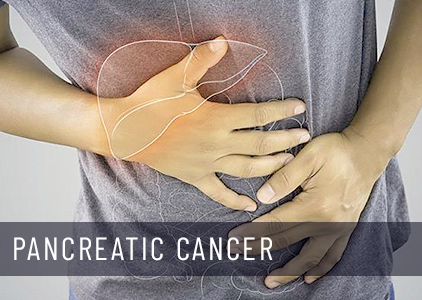
What is the main cause of pancreatic cancer?
The exact cause of pancreatic cancer is not fully understood, but there are several risk factors that have been identified. Some of the main causes and risk factors of pancreatic cancer include:
- Age: The risk of developing pancreatic cancer increases with age, with most cases occurring in people over the age of 60.
- Smoking: Smoking is one of the leading risk factors for pancreatic cancer, and smokers are two to three times more likely to develop the disease than non-smokers.
- Obesity: Obesity has been linked to an increased risk of pancreatic cancer, especially in women.
- Family history: People with a family history of pancreatic cancer are at an increased risk of developing the disease.
- Genetics: Certain genetic mutations, such as those in the BRCA1 and BRCA2 genes, have been linked to an increased risk of pancreatic cancer.
- Chronic pancreatitis: Long-term inflammation of the pancreas, known as chronic pancreatitis, can increase the risk of developing pancreatic cancer.
- Diabetes: People with diabetes have a higher risk of developing pancreatic cancer, although the reasons for this are not fully understood.
What are the warning signs of pancreatic cancer?
Pancreatic cancer may not cause any signs or symptoms in its early stages, and when symptoms do appear, they can be vague and non-specific, making it difficult to diagnose the disease.
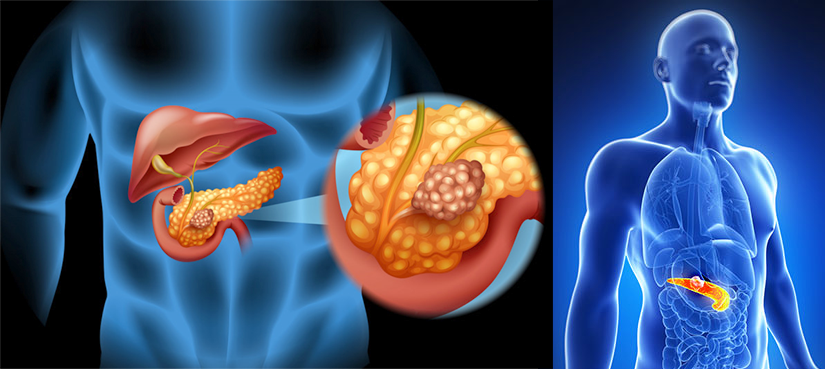
However, as the cancer grows and spreads, the following signs and symptoms may occur:
- Jaundice: yellowing of the skin and whites of the eyes
- Pain in the upper abdomen or back
- Unexplained weight loss
- Loss of appetite
- Nausea and vomiting
- Fatigue
- Weakness
- New-onset diabetes or changes in blood sugar levels
- Blood clots
- Pale, greasy stools that float in the toilet (steatorrhea)
It is important to note that these symptoms can also be caused by other conditions, and having one or more of these symptoms does not necessarily mean that a person has pancreatic cancer.
Can you survive without a pancreas?
The pancreas produces digestive enzymes that break down food in the small intestine, allowing the body to absorb nutrients. It also produces insulin and other hormones that help regulate blood sugar levels.
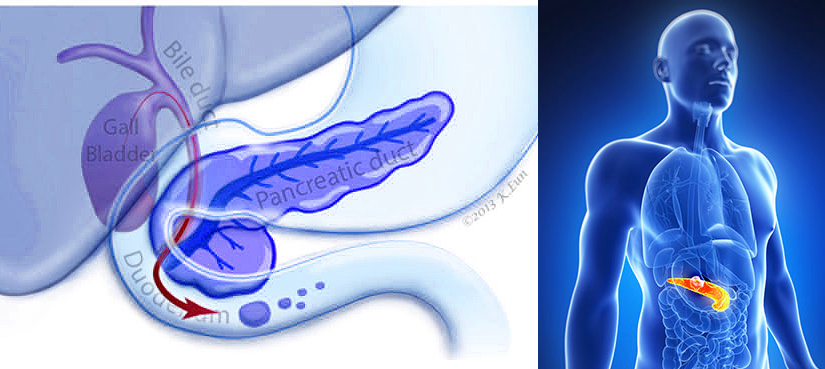
Without a pancreas, the body would not be able to digest food properly or regulate blood sugar levels, which can lead to serious complications such as malnutrition, diabetes, and organ failure.
While it is possible to live without parts of the pancreas, such as in cases where a portion of the organ is removed due to disease or injury, complete removal of the pancreas (total pancreatectomy) is typically only performed in cases of pancreatic cancer or other life-threatening conditions.
Can pancreatic illness be cured?
Pancreatic cancer is one of the most challenging forms of cancer to treat and is typically diagnosed at a late stage, making it difficult to cure. However, early detection and treatment can improve outcomes and increase the chances of survival. Treatment for pancreatic cancer typically involves a combination of surgery, chemotherapy, and radiation therapy, but the best approach will depend on the stage of the cancer and the patient’s overall health.
Other pancreatic conditions, such as pancreatic cysts or neuroendocrine tumors, can often be treated with surgery or other procedures.
What are the 4 stages of Pancreatic Cancer?
The stages of pancreatic cancer are based on the size and location of the tumor, whether it has spread to nearby tissues or lymph nodes, and whether it has metastasized (spread) to other parts of the body. The four stages of pancreatic cancer are:
Stage 1: At this stage, the cancer is located only in the pancreas and has not spread to nearby lymph nodes or other organs.
Stage 2: At this stage, the cancer has grown beyond the pancreas and may have spread to nearby lymph nodes, but has not yet spread to distant organs.
Stage 3: At this stage, the cancer has spread to nearby blood vessels, organs, and lymph nodes, but has not yet metastasized to distant organs.
Stage 4: At this stage, the cancer has spread to distant organs, such as the liver, lungs, or bones.
What is the latest treatment for pancreatic cancer?
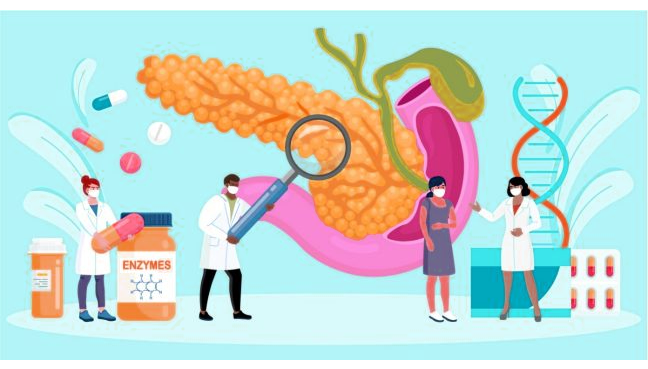
The treatment for pancreatic cancer depends on the stage of the cancer and the patient’s overall health. Treatment options for pancreatic cancer may include:
- Surgery: Surgery is the primary treatment for pancreatic cancer that has not spread to other organs. The goal of surgery is to remove as much of the cancer as possible. Types of surgery include a Whipple procedure, distal pancreatectomy, or total pancreatectomy.
- Chemotherapy: Chemotherapy uses drugs to kill cancer cells. It may be used before or after surgery, or as the main treatment for pancreatic cancer that cannot be removed by surgery.
- Radiation therapy: Radiation therapy uses high-energy radiation to kill cancer cells. It may be used before or after surgery, or as a palliative treatment to relieve symptoms.
- Immunotherapy: Immunotherapy uses the body’s immune system to fight cancer. It may be used in combination with chemotherapy for advanced pancreatic cancer.
- Targeted therapy: Targeted therapy uses drugs that target specific proteins or genes that are involved in the growth and spread of cancer cells.
- Clinical trials: Clinical trials are research studies that test new treatments for pancreatic cancer.
Pain medication for ancreatic cancer
Pancreatic cancer can cause pain, which can be managed with different types of pain medication. Here are some of the drugs that may be used to treat pain in pancreatic cancer:
- Nonsteroidal anti-inflammatory drugs (NSAIDs): NSAIDs, such as ibuprofen or aspirin, can help relieve mild to moderate pain. However, these drugs can have side effects, such as stomach irritation, and should be used with caution.
- Opioids: Opioids, such as morphine or fentanyl, are strong pain relievers that can be used for moderate to severe pain. They are often prescribed in a slow-release form to provide continuous pain relief. However, opioids can have side effects, such as constipation and drowsiness, and can be habit-forming.
- Antidepressants: Antidepressant drugs, such as amitriptyline or duloxetine, can be used to treat neuropathic pain, which is caused by nerve damage. These drugs work by altering the levels of certain chemicals in the brain.
- Anticonvulsants: Anticonvulsant drugs, such as gabapentin or pregabalin, can also be used to treat neuropathic pain. These drugs work by stabilizing the electrical activity in the brain and reducing pain signals.
- Steroids: Steroids, such as dexamethasone, can be used to reduce inflammation and swelling that can contribute to pain in pancreatic cancer.
What is life expectancy for pancreatic cancer?
The life expectancy for pancreatic cancer varies widely depending on several factors, including the stage of the cancer at diagnosis, the age and overall health of the patient, and the treatment options available.
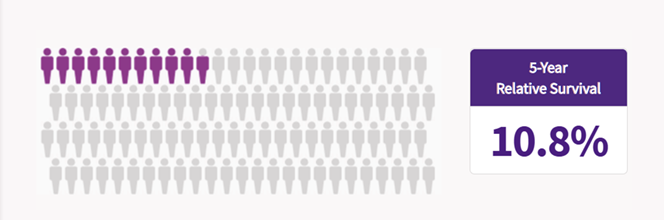
Pancreatic cancer is often diagnosed at an advanced stage, which can make it difficult to treat and lower the chances of survival. According to the American Cancer Society, the 5-year survival rate for all stages of pancreatic cancer combined is around 10%. However, this statistic does not take into account individual factors that may affect survival.
For early-stage pancreatic cancer that has not spread to other organs and is treated with surgery, the 5-year survival rate can be much higher, with some studies reporting rates of up to 40-50%.
For advanced pancreatic cancer, treatment may focus on managing symptoms and improving quality of life, rather than attempting to cure the cancer. In such cases, life expectancy may range from several months to a few years.
Pancreatic Cancer Diet and Nutrition

A healthy diet and good nutrition can be important for people with pancreatic cancer, as it can help manage symptoms, maintain strength and energy, and support overall well-being. Here are some dietary recommendations for people with pancreatic cancer:
- Eat a variety of foods: A varied diet can help ensure that you get all the nutrients your body needs. Include a mix of fruits, vegetables, whole grains, lean proteins, and healthy fats.
- Limit processed and red meats: Eating large amounts of processed and red meats has been linked to an increased risk of pancreatic cancer. If you choose to eat meat, choose lean cuts and limit your intake.
- Get enough protein: Protein is important for maintaining muscle mass and strength. Good sources of protein include fish, poultry, lean meats, eggs, beans, and tofu.
- Stay hydrated: Dehydration can be a common problem in people with pancreatic cancer. Be sure to drink plenty of fluids, such as water, herbal tea, and clear broth.
- Manage symptoms with diet: People with pancreatic cancer may experience digestive symptoms, such as nausea, diarrhea, and constipation. Working with a dietitian can help you find ways to manage these symptoms through dietary changes.
- Consider nutritional supplements: In some cases, nutritional supplements such as protein powders or liquid meal replacements may be recommended to help meet nutritional needs.