
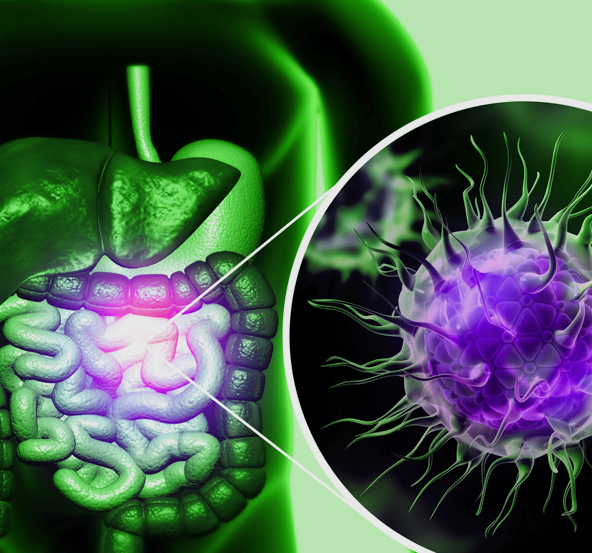
What are the 6 early signs of Colon Cancer?
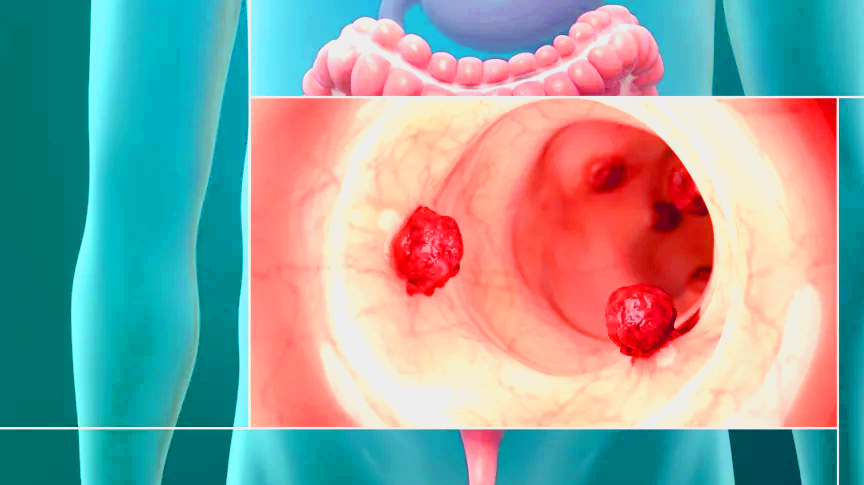
Colon cancer, also known as colorectal cancer, is a type of cancer that starts in the colon or rectum. The early stages of colon cancer often have no symptoms, which is why regular screenings are recommended for people over 50. However, some early signs of colon cancer may include:
- Changes in bowel habits, such as diarrhea, constipation, or narrowing of the stool, that persist for several weeks.
- Blood in the stool, which may be bright red or dark and tarry.
- Abdominal pain, cramping, or bloating that lasts for an extended period.
- Unexplained weight loss.
- Fatigue or weakness.
- Iron-deficiency anemia, which can be detected through a blood test.

It is important to note that these symptoms may also be caused by other conditions, and the presence of these symptoms does not necessarily mean that you have colon cancer. If you are experiencing any of these symptoms, it is recommended to talk to your doctor as soon as possible to determine the cause and get appropriate treatment. Regular screening for colon cancer is also important for early detection and prevention.
Can colon cancer be cured if caught early?
Yes, colon cancer can often be cured if caught early. The five-year survival rate for people with localized colon cancer, meaning the cancer has not spread outside the colon or rectum, is about 90%, according to the American Cancer Society. This underscores the importance of early detection through regular screening, as colon cancer is often easier to treat in its early stages.
Treatment for colon cancer typically involves surgery to remove the cancerous tumor and possibly nearby lymph nodes. In some cases, chemotherapy or radiation therapy may also be recommended, depending on the stage of the cancer and other factors.
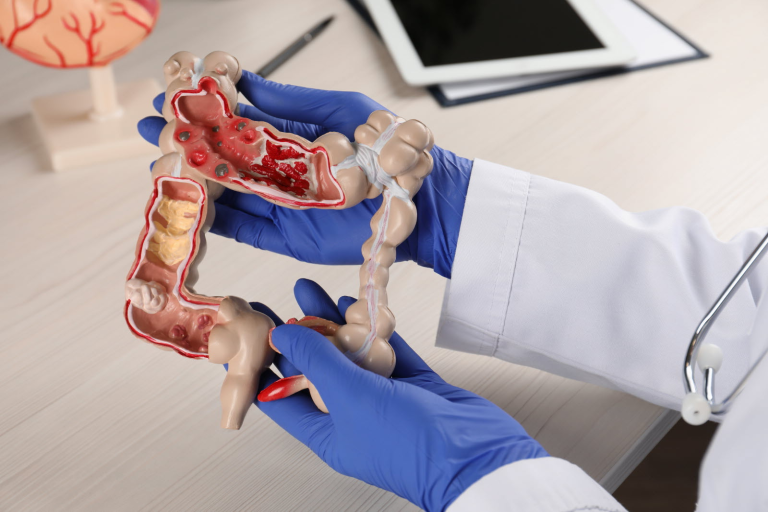
It’s important to note that the outcome of colon cancer treatment can vary depending on the stage and extent of the cancer, as well as other individual factors such as age, overall health, and response to treatment. However, early detection and treatment of colon cancer can significantly improve the chances of a successful outcome.
What are causes of colon cancer?
The exact cause of colon cancer is not always clear, but there are several factors that are believed to increase the risk of developing this type of cancer. Some of the known risk factors for colon cancer include:
- Age: The risk of developing colon cancer increases with age. Most cases of colon cancer occur in people over the age of 50.
- Family history: A family history of colon cancer or polyps can increase the risk of developing the disease.
- Inherited gene mutations: Certain inherited gene mutations, such as those associated with Lynch syndrome or familial adenomatous polyposis (FAP), can increase the risk of colon cancer.
- Personal history of colon polyps or inflammatory bowel disease: People who have had colon polyps or inflammatory bowel disease (such as ulcerative colitis or Crohn’s disease) are at an increased risk of developing colon cancer.
- Unhealthy lifestyle habits: Factors such as a diet high in red and processed meats, low fiber intake, sedentary lifestyle, smoking, and heavy alcohol use have also been associated with an increased risk of colon cancer.
It’s important to note that not everyone who has one or more of these risk factors will develop colon cancer, and some people may develop colon cancer without having any of these risk factors. However, being aware of these risk factors and taking steps to reduce your risk, such as through regular screenings, maintaining a healthy lifestyle, and discussing your family history with your doctor, can help to lower your risk of developing colon cancer.
Are eggs linked to colon cancer?
The link between eggs and colon cancer is still a topic of debate and further research is needed to better understand the potential relationship. Some studies have suggested that a high intake of eggs, particularly those that are high in cholesterol, may be associated with an increased risk of colon cancer, while others have found no significant association.

One reason for this conflicting evidence may be that eggs are often consumed as part of an overall diet that includes other foods that can affect colon cancer risk, such as red and processed meats, which have been more strongly linked to colon cancer risk.
It’s worth noting that eggs are a good source of protein and other important nutrients, and moderate egg consumption is generally considered to be a healthy part of a balanced diet. However, as with all foods, moderation is key, and it’s important to consume a variety of foods in appropriate portions as part of a healthy lifestyle.
If you are concerned about your risk of colon cancer or have a family history of the disease, it’s a good idea to talk to your doctor or a registered dietitian to discuss your individual risk factors and dietary needs. They can help you develop a balanced diet that is tailored to your individual needs and may include recommendations for specific foods or dietary patterns that may help reduce your risk of colon cancer.
What are the 4 stages of Colon Cancer?
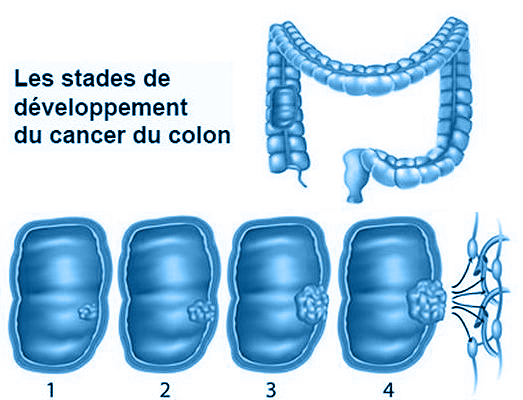
The most commonly used staging system for colon cancer is called the TNM system, which stands for Tumor, Node, and Metastasis. The stages of colon cancer are:
Stage I: The cancer has grown through the innermost layer of the colon and into the next layer, but has not spread beyond the colon wall or into the lymph nodes.
Stage II: The cancer has grown through the outermost layer of the colon and into nearby tissues, but has not spread to the lymph nodes or other organs.
Stage III: The cancer has spread to nearby lymph nodes but not to other organs.
Stage IV: The cancer has spread to other parts of the body, such as the liver, lungs, or bones.
In addition to the TNM system, colon cancer can also be classified into subtypes based on the histological features of the tumor, such as the degree of differentiation and the presence of specific genetic mutations.
What is the treatment for colon cancer?
The best treatment for colon cancer depends on several factors, including the stage of the cancer, the location of the tumor, and the overall health of the patient. Treatment options for colon cancer typically include surgery, chemotherapy, and radiation therapy.
Surgery is the most common treatment for colon cancer and involves removing the cancerous tumor and nearby lymph nodes. The type of surgery depends on the location and size of the tumor, and may involve a partial colectomy (removal of part of the colon), a total colectomy (removal of the entire colon), or a colostomy (creation of a new opening for waste to leave the body).
Chemotherapy is often used after surgery to kill any remaining cancer cells or to shrink the tumor before surgery. It may also be used in cases where the cancer has spread to other parts of the body.
Radiation therapy uses high-energy X-rays or other types of radiation to kill cancer cells. It may be used before surgery to shrink the tumor, or after surgery to kill any remaining cancer cells.
Other treatments for colon cancer may include targeted therapy, immunotherapy, or clinical trials. Targeted therapy uses drugs that target specific molecules in cancer cells to stop their growth, while immunotherapy boosts the body’s immune system to help fight the cancer. Clinical trials are research studies that test new treatments or combinations of treatments to determine their safety and effectiveness.
The best treatment approach for colon cancer is typically determined by a team of healthcare providers, including surgeons, medical oncologists, and radiation oncologists, who work together to develop a personalized treatment plan for each patient.
Cancer colon pain
When colon cancer does cause pain, it may be described as cramping, bloating, or a persistent discomfort in the abdominal region. Other symptoms that may be present include:
- Changes in bowel habits, such as diarrhea or constipation
- Blood in the stool
- Fatigue or weakness
- Unexplained weight loss
- A feeling that the bowel does not empty completely after a bowel movement
There are several types of drugs that may be used to manage cancer pain. These include:
- Nonsteroidal anti-inflammatory drugs (NSAIDs): NSAIDs, such as ibuprofen and aspirin, are often used to relieve mild to moderate cancer pain. They work by reducing inflammation and blocking pain signals.
- Opioids: Opioids, such as morphine, oxycodone, and fentanyl, are strong pain medications that are often used to manage moderate to severe cancer pain. They work by binding to receptors in the brain and spinal cord to reduce pain signals.
- Adjuvant analgesics: Adjuvant analgesics are drugs that are not primarily used for pain relief but may be used to enhance the effectiveness of other pain medications. For example, antidepressants or anticonvulsants may be used to relieve nerve pain caused by cancer.
- Corticosteroids: Corticosteroids, such as dexamethasone, may be used to reduce inflammation and swelling that can cause pain in cancer patients.
- Local anesthetics: Local anesthetics, such as lidocaine, may be used to block pain signals in specific areas of the body.
What is the life expectancy after colon cancer?

What foods prevent colon cancer?
A healthy diet that includes a variety of fruits, vegetables, whole grains, lean protein, and low-fat dairy products can help reduce the risk of colon cancer. Some specific foods that may be particularly beneficial in preventing colon cancer include:
- Fruits and vegetables: A diet rich in fruits and vegetables, particularly those that are high in fiber, can help reduce the risk of colon cancer. Some examples of high-fiber fruits and vegetables include berries, apples, oranges, bananas, carrots, broccoli, and spinach.
- Whole grains: Whole grains, such as brown rice, quinoa, whole wheat bread, and oatmeal, are rich in fiber and can also help reduce the risk of colon cancer.
- Legumes: Beans, lentils, and peas are all excellent sources of fiber and may help lower the risk of colon cancer.
- Fish: Fatty fish, such as salmon, tuna, and mackerel, are rich in omega-3 fatty acids, which have been shown to have anti-inflammatory properties that may help reduce the risk of colon cancer.
- Nuts: Nuts, such as almonds, walnuts, and pecans, are a good source of fiber, protein, and healthy fats, which may help lower the risk of colon cancer.

On the other hand, there are certain foods that should be limited or avoided to reduce the risk of colon cancer, such as processed and red meats, alcohol, and foods that are high in sugar or fat. It’s also important to maintain a healthy weight and get regular physical activity, as obesity and physical inactivity have been linked to an increased risk of colon cancer.