

What is human papillomavirus?
Human papillomavirus (HPV) is a common sexually transmitted infection (STI) caused by a group of more than 150 related viruses. It can infect both men and women and is primarily spread through vaginal, anal, or oral sex. Most people who contract HPV do not experience any symptoms and the infection typically clears up on its own within a few months. However, in some cases, HPV can cause a range of health problems including genital warts, cervical cancer, and other types of cancer. There are several different types of HPV, some of which are considered high-risk and have been linked to the development of cancer.
What are symptoms of HPV?
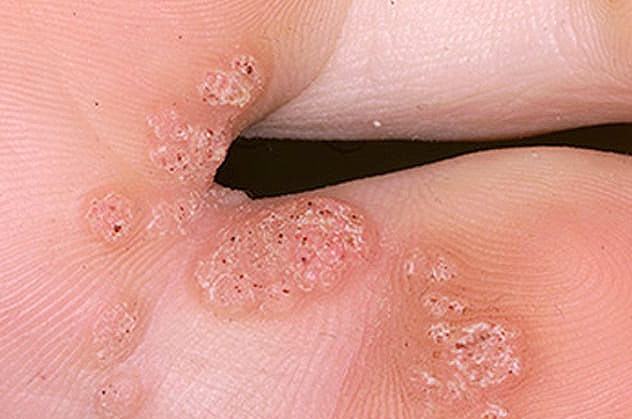

Many people who are infected with HPV do not experience any symptoms and the infection goes away on its own without causing any health problems. However, some people may develop symptoms, which can include:
- Warts : Small, raised growths: Warts are typically small, raised growths that can range in size from a few millimeters to several centimeters in diameter. They may have a rough, bumpy texture and can be flesh-colored, white, or pink.
- Rough texture: Warts often have a rough texture, similar to the texture of a cauliflower.
- Pain or tenderness: Warts can be painful or tender, especially if they are located on the feet or hands and are subjected to pressure or friction.
- Itching: Warts can sometimes cause itching or irritation, especially if they are located in a sensitive area such as the genital area.
- Abnormal Pap test results: HPV can cause changes to the cells of the cervix that may be detected during a Pap test.
- Cancer: HPV has been linked to several types of cancer, including cervical, vaginal, vulvar, penile, anal, and throat cancer.
HPV in the mouth :
- Sore throat: A persistent sore throat that does not go away may be a symptom of oral HPV infection.
- Difficulty swallowing: HPV infections in the mouth or throat can cause difficulty or pain when swallowing.
- Changes in voice: Oral HPV infections can cause changes in the voice, such as hoarseness or a change in pitch.
- White or red patches: HPV infections in the mouth or throat can cause white or red patches on the lining of the mouth, tongue, or throat.
- Painful bumps or growths: In some cases, oral HPV infections can cause painful bumps or growths on the tongue, tonsils, or back of the throat.
HPV genital symptoms
- Genital warts: HPV infections can cause the development of warts on the external genitalia or around the anus.
- Abnormal vaginal bleeding: HPV infections can sometimes cause abnormal vaginal bleeding in women, especially after sexual intercourse.
- Changes in vaginal discharge: HPV infections can cause changes in vaginal discharge, such as an increase in discharge or a change in color or odor in women.
- Painful urination: HPV infections can cause pain or discomfort during urination, especially in men.
HPV infections are common
- According to the World Health Organization (WHO), HPV is the most common sexually transmitted infection worldwide.
- In the United States, it is estimated that approximately 79 million people are currently infected with HPV.
- Each year, there are approximately 14 million new cases of HPV in the United States alone.
- Most sexually active individuals will be infected with HPV at some point in their lives.
- The highest rates of HPV infection occur in people aged 15-24 years old.
- HPV is responsible for nearly all cases of cervical cancer, as well as a significant proportion of other types of cancer such as vaginal, vulvar, anal, penile, and throat cancer.
HPV infections can lead to cancer ?

HPV infections can lead to the development of cancer. While most HPV infections do not cause any symptoms and clear up on their own, some types of HPV are considered high-risk and have been linked to the development of cancer. HPV is responsible for nearly all cases of cervical cancer, as well as a significant proportion of other types of cancer such as vaginal, vulvar, anal, penile, and throat cancer.
In particular, HPV infection has been linked to oropharyngeal cancer, which affects the back of the throat, including the base of the tongue and tonsils. This type of cancer has become more common in recent years and is now the most common type of HPV-related cancer in the United States.
Prevent cancer with HPV
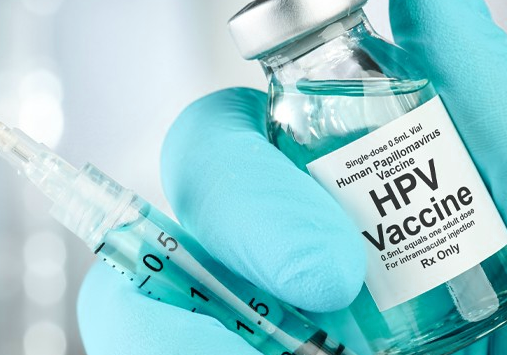
The HPV vaccine is highly effective in preventing certain strains of the virus that are associated with the development of cancer. The vaccine works by stimulating the body’s immune system to produce antibodies that can prevent HPV infection.
The Centers for Disease Control and Prevention (CDC) recommends routine HPV vaccination for both boys and girls between the ages of 9 and 12, but it can be given up to age 26 for those who have not been previously vaccinated. The vaccine is typically given in two or three doses, depending on age, and is most effective when given before sexual activity begins.