
Natural Birth vs C-Section, Pros & cons?
Both vaginal birth and cesarean section (C-section) have their own set of pros and cons. Ultimately, the decision of which method to choose depends on a variety of factors, including the individual circumstances of the mother and baby. Here are some of the pros and cons of each method:
Vaginal birth: Pros:
- Shorter hospital stay and recovery time
- Lower risk of infection and complications
- Lower risk of breathing difficulties and other complications for the baby
- Fewer risks associated with anesthesia
- May reduce the risk of certain health conditions for the baby in the long-term

Cons:
- Pain and discomfort during labor and delivery
- Risk of tears, lacerations, and other injuries to the mother’s genital area
- May require medical interventions, such as forceps or vacuum extraction
- Risk of incontinence or other pelvic floor problems in the long-term
- Not possible in certain situations, such as breech presentation or certain medical conditions
Cesarean section (C-section): Pros:
- Reduced risk of injury to the mother’s genital area
- Ability to schedule the birth date
- Reduced risk of transmission of certain infections, such as HIV
- May be necessary in certain situations, such as breech presentation or other medical conditions
- May be less painful during the delivery process

Cons:
- Longer recovery time and hospital stay
- Higher risk of infection and complications
- Higher risk of breathing difficulties and other complications for the baby
- Increased risk of complications in future pregnancies
- Increased risk of respiratory problems for the baby in the long-term
It’s important to discuss the risks and benefits of each method with your healthcare provider and make an informed decision based on your individual circumstances. Ultimately, the most important thing is to ensure the health and safety of both the mother and baby during the birthing process.
Natural birth vs c-section statistics
The rates of natural birth and c-section vary by country and by individual hospitals, and the decision of which method of delivery to choose is usually made on a case-by-case basis by the mother and her healthcare provider. Here are some general statistics regarding natural birth and c-section rates in different countries:
- In the United States, the c-section rate is approximately 32%, with rates varying by state and by hospital. The rate of vaginal birth after c-section (VBAC) is around 13%.
- In Canada, the c-section rate is approximately 28%, with rates varying by province and by hospital. The rate of VBAC is around 17%.
- In the United Kingdom, the c-section rate is approximately 26%, with rates varying by region and by hospital. The rate of VBAC is around 10%.
- In Australia, the c-section rate is approximately 33%, with rates varying by state and by hospital. The rate of VBAC is around 15%.

It’s important to note that there are certain situations in which a c-section may be necessary for the health and safety of the mother and baby, such as in cases of breech presentation, fetal distress, or certain medical conditions. However, it’s also important to consider the risks and benefits of each method of delivery and to make an informed decision with the guidance of a healthcare provider.
what is more painful c-section or natural birth ?
The experience of pain during childbirth can vary greatly from person to person, and what is more painful for one person may not be the same for another. That being said, both natural birth and c-sections can involve some level of discomfort or pain, but the type and intensity of the pain may differ.
In a vaginal birth, the pain is typically focused in the lower abdominal and pelvic region, and can include sensations of pressure, stretching, and contractions as the baby moves through the birth canal. Some women may also experience tearing or episiotomies, which can cause additional pain and discomfort.
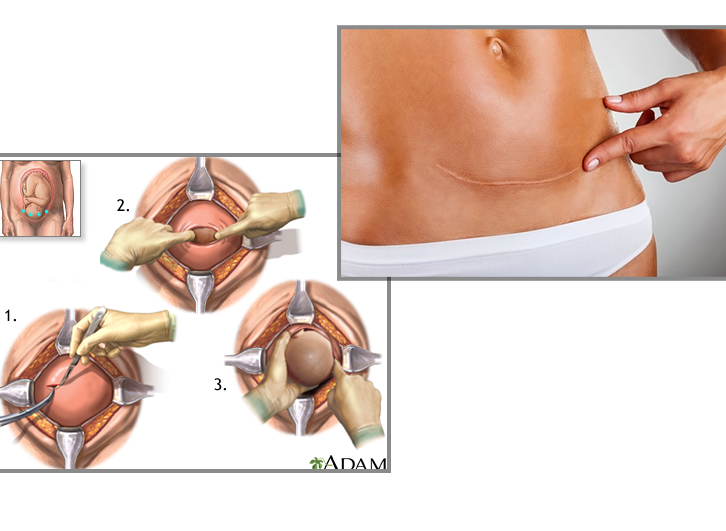
In a c-section, the pain is typically focused in the abdominal area, and can include sensations of pressure and pulling as the baby is delivered through the incision. The recovery period after a c-section can also involve some discomfort and pain as the incision heals.
It’s important to note that pain management options are available for both types of delivery, including epidurals and other forms of anesthesia, as well as non-pharmacological approaches such as breathing and relaxation techniques.
Ultimately, the decision of which method of delivery to choose should be based on a variety of factors, including the health and safety of the mother and baby, the mother’s personal preferences and medical history, and the guidance of a healthcare provider.
What are 5 signs that labor is approaching?

Here are some signs that labor is approaching:
- Contractions: These are often described as feeling like menstrual cramps or a tightening sensation in the abdomen. They may start off feeling mild and irregular, but become more frequent, longer, and stronger as labor approaches.
- Changes in vaginal discharge: In the days or weeks before labor, there may be an increase in vaginal discharge, which may be clear, pink, or slightly bloody. This is called the « bloody show » and is a sign that the cervix is beginning to soften and open.
- Pressure in the pelvis: As the baby’s head moves lower into the pelvis, the mother may feel increased pressure or discomfort in the pelvic area. She may also feel like the baby is pushing down on her rectum or bladder.
- Water breaking: This is when the amniotic sac surrounding the baby breaks and releases the amniotic fluid. It may feel like a sudden gush of water or a slow trickle.
- Cervical changes: As labor approaches, the cervix may begin to dilate (open) and efface (thin out). A healthcare provider can check the cervix during a vaginal exam to see if any changes have occurred.
It’s important to note that not all women experience the same signs of labor, and some may not have any noticeable signs until active labor has already begun. If you have any concerns or questions about the signs of labor, you should speak with your healthcare provider.
Which is better C-section or normal delivery?
Both C-section and normal delivery (vaginal birth) have their own risks and benefits, and which method is better will depend on the individual circumstances of each pregnancy and delivery.

In general, vaginal birth is considered a safe and natural option for most women with low-risk pregnancies. It allows for a shorter hospital stay, faster recovery time, and can help the baby’s lungs clear fluid during the birth process. Additionally, vaginal birth may have some benefits for the baby’s long-term health, such as a reduced risk of respiratory problems and an increased likelihood of successful breastfeeding.
C-section, on the other hand, is typically recommended for certain medical conditions or complications, such as a breech presentation, placenta previa, or fetal distress. It may also be recommended for women who have had a previous C-section or certain medical conditions that could make vaginal birth more risky. While C-section can be a life-saving procedure when medically necessary, it does carry a higher risk of complications such as infection, bleeding, and longer hospital stays. Additionally, recovery time can be longer and more painful than with a vaginal birth.
Ultimately, the decision about whether to have a C-section or vaginal birth should be made on an individual basis, in consultation with a healthcare provider. Women should discuss their medical history, preferences, and individual circumstances with their provider to determine the safest and most appropriate method of delivery for their situation.