

What are the 7 early signs of prostate cancer?
Prostate cancer can develop without causing any noticeable symptoms in its early stages. However, some of the early signs and symptoms of prostate cancer may include:
- Frequent urination, especially at night
- Difficulty starting or stopping urination
- Weak urine flow
- Pain or burning during urination
- Blood in the urine or semen
- Pain or discomfort in the pelvis, lower back or upper thighs
- Erectile dysfunction
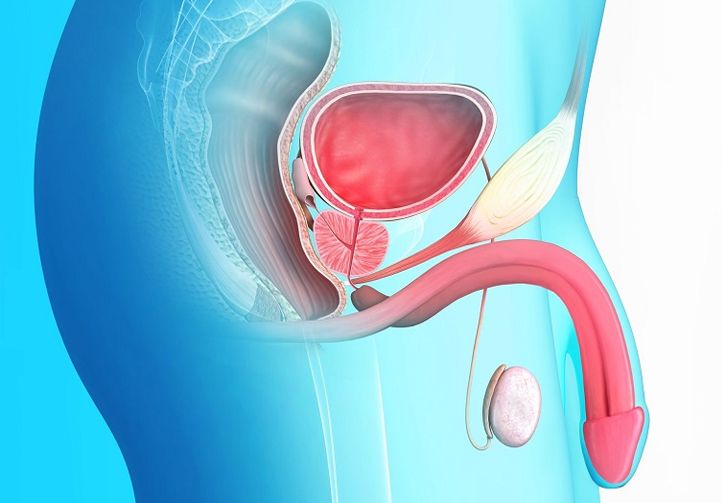
These symptoms can also be caused by other conditions such as a urinary tract infection or an enlarged prostate, but it is still important to see a doctor if you experience any of these symptoms to determine the underlying cause. Men who are at higher risk of developing prostate cancer, such as those with a family history of the disease, should talk to their doctor about screening options. Regular prostate cancer screening with a blood test called prostate-specific antigen (PSA) and a digital rectal exam (DRE) can help detect the disease early, before symptoms develop.
What are the 4 stages of prostate cancer?
The most commonly used staging system for prostate cancer is called the TNM system, which stands for Tumor, Node, and Metastasis. The stages of prostate cancer are:
Stage I: The cancer is small and has not spread beyond the prostate gland. It cannot be felt during a digital rectal exam (DRE) or seen on imaging tests.
Stage II: The cancer is still confined to the prostate gland but is larger than in stage I. It may be felt during a DRE or seen on imaging tests.
Stage III: The cancer has spread outside the prostate gland to nearby tissues, such as the seminal vesicles, but has not reached the lymph nodes or other organs.
Stage IV: The cancer has spread to other parts of the body, such as the lymph nodes, bones, or other organs.
In addition to the TNM system, prostate cancer can also be staged using a grading system called the Gleason score, which is based on the appearance of the cancer cells under a microscope. The Gleason score ranges from 6 to 10, with higher scores indicating a more aggressive cancer.
What are the 5 types of prostate cancer?
There are several types of prostate cancer, including:
- Adenocarcinoma: This is the most common type of prostate cancer and it develops in the gland cells that produce the prostate fluid.
- Small cell carcinoma: This type of prostate cancer is less common and more aggressive than adenocarcinoma. It develops from the small cells that produce neuroendocrine hormones.
- Sarcomas: These are rare types of prostate cancer that develop in the muscle, fat, or other tissues of the prostate.
- Transitional cell carcinoma: This type of prostate cancer is also rare and develops in the cells that line the urethra, which is the tube that carries urine out of the body.
- Ductal adenocarcinoma: This is a rare and aggressive type of prostate cancer that develops in the cells lining the ducts of the prostate gland.
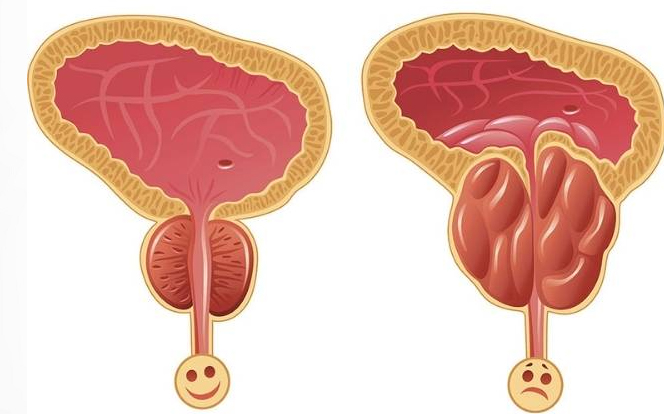
It’s important to note that most prostate cancers are adenocarcinomas, and the other types of prostate cancer are much less common.
Can prostate cancer be prevented?
While there is no surefire way to prevent prostate cancer entirely, there are some lifestyle changes and medical interventions that may reduce the risk of developing prostate cancer. Here are some steps that may help:
- Eat a healthy diet: A diet that is low in fat and high in fruits, vegetables, and whole grains may help lower the risk of developing prostate cancer.
- Exercise regularly: Regular exercise can help reduce the risk of many types of cancer, including prostate cancer.
- Maintain a healthy weight: Being overweight or obese may increase the risk of developing prostate cancer.
- Don’t smoke: Smoking is a known risk factor for many types of cancer, including prostate cancer.
- Discuss prostate cancer screening with your doctor: Prostate cancer screening can help detect the disease early when it is most treatable.
- Consider medications: There are medications that may help reduce the risk of developing prostate cancer, such as finasteride and dutasteride.
It’s important to note that some of these steps may not apply to all individuals, and some may have other risk factors that make it more likely they will develop prostate cancer. Therefore, it is essential to discuss individual risk factors and preventive strategies with a healthcare provider.
What is the life expectancy of a man with prostate cancer?
The life expectancy of a man with prostate cancer depends on several factors, including the stage of the cancer, the grade of the cancer, the man’s age and overall health, and the treatments he receives. In general, prostate cancer is a slow-growing cancer, and many men with early-stage prostate cancer have a good prognosis and can live for many years without the cancer causing any significant problems.
According to the American Cancer Society, the 5-year relative survival rate for all stages of prostate cancer is nearly 100%. This means that men with prostate cancer are nearly as likely to live for at least 5 years after their diagnosis as men without prostate cancer. However, it’s important to note that survival rates can vary depending on the stage and grade of the cancer, and individual cases can vary widely.
It’s also worth noting that life expectancy is not the same as survival rate, as life expectancy takes into account the overall health and age of the person, as well as the cancer diagnosis. Men with prostate cancer can have a normal life expectancy if the cancer is caught and treated early, and they make healthy lifestyle choices. It’s important for men to talk to their doctor about their individual prognosis and any steps they can take to improve their outcomes.
Prostate cancer pain
Prostate cancer may not cause pain in its early stages. However, as the cancer progresses, it can cause pain in the prostate gland or surrounding tissues. Pain may also be a symptom of advanced prostate cancer that has spread to other parts of the body, such as the bones.
Common types of pain associated with prostate cancer include:
- Pelvic pain: Pain or discomfort in the pelvic area is a common symptom of prostate cancer. This may be due to the tumor growing and pressing on nearby tissues or nerves.
- Lower back pain: If prostate cancer spreads to the bones, it can cause pain in the lower back or hips.
- Painful urination: As the tumor grows, it can block the urethra, causing pain or discomfort during urination.
- Pain during ejaculation: Prostate cancer can cause pain or discomfort during ejaculation.
- Bone pain: If prostate cancer spreads to the bones, it can cause bone pain, particularly in the hips, spine, and ribs.
There are several types of drugs used to manage pain associated with prostate cancer.
The choice of medication depends on the severity of the pain, the patient’s medical history, and other health conditions. Some common pain medications used to manage prostate cancer pain include:
- Nonsteroidal anti-inflammatory drugs (NSAIDs): NSAIDs, such as ibuprofen and aspirin, can be used to relieve mild to moderate pain associated with prostate cancer. They work by reducing inflammation and blocking pain signals.
- Opioids: Opioids, such as morphine, oxycodone, and fentanyl, are strong pain medications that may be used to manage moderate to severe pain associated with prostate cancer. They work by binding to receptors in the brain and spinal cord to reduce pain signals.
- Corticosteroids: Corticosteroids, such as prednisone, may be used to reduce inflammation and swelling that can cause pain in prostate cancer patients.
- Antidepressants: Antidepressants, such as amitriptyline or duloxetine, may be used to manage nerve pain associated with prostate cancer.
- Anticonvulsants: Anticonvulsants, such as gabapentin or pregabalin, may be used to manage nerve pain associated with prostate cancer.
What is the best treatment for prostate cancer?
The best treatment for prostate cancer depends on several factors, including the stage of the cancer, the grade of the cancer, the age and overall health of the patient, and the patient’s personal preferences. There is no single « best » treatment that works for everyone with prostate cancer, and each treatment has its own benefits and risks. Some of the most common treatments for prostate cancer include:
- Active surveillance or watchful waiting: This is an approach in which the cancer is closely monitored, but treatment is not immediately started. This is often an option for men with low-grade, early-stage prostate cancer.
- Surgery: Surgery to remove the prostate gland, known as a prostatectomy, is a common treatment for prostate cancer. The surgery may be done using traditional open surgery or with less invasive laparoscopic or robotic techniques.
- Radiation therapy: This treatment uses high-energy rays to kill cancer cells. Radiation therapy may be given externally or internally, using a device implanted in the prostate gland.
- Hormone therapy: This treatment works by reducing the levels of male hormones, such as testosterone, that can help prostate cancer grow.
- Chemotherapy: This treatment uses drugs to kill cancer cells.

The best treatment for prostate cancer will depend on the specific characteristics of the cancer and the patient’s individual circumstances. It’s important to talk to a doctor or a team of healthcare providers to determine the best treatment options for an individual with prostate cancer.
Can prostate cancer be fully cured?
In many cases, prostate cancer can be cured, especially when it is diagnosed and treated early. The cure rate for prostate cancer is generally high, especially when the cancer is confined to the prostate gland and has not spread to other parts of the body. However, the success of treatment depends on various factors, such as the stage and grade of the cancer, the age and overall health of the patient, and the type of treatment used.
For some men, treatment can completely remove the cancer, and they can go on to live cancer-free for many years or even for the rest of their lives. However, some men may experience a recurrence of the cancer after treatment, which means that the cancer has come back after it was initially treated. Recurrence is more likely if the cancer was not fully removed or if the cancer was advanced when it was initially diagnosed.
It’s important to note that some prostate cancers are slow-growing and may not require immediate treatment. In these cases, the cancer can be closely monitored, and treatment may not be needed right away or at all.
Overall, the prognosis for prostate cancer is generally good, and many men are able to live normal, healthy lives after treatment. It’s important for men to talk to their doctor about their individual prognosis and any steps they can take to improve their outcomes.
What foods increase risk of prostate cancer?
Research suggests that certain dietary factors may increase the risk of prostate cancer. Some foods that may increase the risk of prostate cancer include:
- Red meat: Consumption of red meat, such as beef, pork, and lamb, has been associated with an increased risk of prostate cancer.
- Processed meat: Processed meats, such as hot dogs, sausages, and bacon, may also increase the risk of prostate cancer.
- High-fat dairy products: Consumption of high-fat dairy products, such as whole milk, cheese, and butter, has been associated with an increased risk of prostate cancer.
- High-calorie diets: Diets that are high in calories and low in fruits and vegetables may increase the risk of prostate cancer.
- Saturated and trans fats: Saturated and trans fats, which are found in many processed foods, fast foods, and fried foods, may increase the risk of prostate cancer.

It’s important to note that the relationship between diet and prostate cancer is complex, and more research is needed to fully understand the role of diet in prostate cancer risk. However, making healthy dietary choices and limiting the consumption of foods that may increase the risk of prostate cancer may be a helpful strategy for reducing the risk of developing prostate cancer.
What’s the Best Diet for Prostate Cancer?
There is no one « best » diet for prostate cancer, but research suggests that following a healthy, well-balanced diet may help reduce the risk of developing prostate cancer and may also improve outcomes for men who have been diagnosed with prostate cancer. Some dietary tips that may be helpful for men with prostate cancer include:
- Eating plenty of fruits and vegetables: Fruits and vegetables are rich in vitamins, minerals, and antioxidants that may help protect against cancer. Aim for at least 5 servings of fruits and vegetables per day.
- Choosing whole grains: Whole grains, such as brown rice, whole-wheat bread, and whole-grain pasta, are a good source of fiber and other nutrients.
- Consuming healthy fats: Healthy fats, such as those found in nuts, seeds, and fatty fish, may have anti-inflammatory properties and may help protect against cancer.
- Limiting red and processed meats: Red and processed meats may increase the risk of prostate cancer, so it’s a good idea to limit consumption of these foods.
- Limiting high-fat dairy products: High-fat dairy products may also increase the risk of prostate cancer, so it’s a good idea to choose low-fat dairy products or non-dairy alternatives.
- Drinking plenty of water: Staying hydrated is important for overall health and may also help reduce the risk of prostate cancer.

It’s also a good idea to talk to a doctor or a registered dietitian who specializes in oncology nutrition to develop a personalized diet plan that is tailored to your specific needs and preferences.
Does sexual activity irritate the prostate?
Sexual activity does not necessarily irritate the prostate, but it can cause some discomfort in some men, particularly if they have a prostate condition such as prostatitis or an enlarged prostate.

Prostatitis is a condition in which the prostate becomes inflamed and can cause pain, discomfort, and difficulty urinating. Sexual activity may exacerbate the symptoms of prostatitis and cause pain or discomfort in the prostate region.
An enlarged prostate, also known as benign prostatic hyperplasia (BPH), can also cause discomfort during sexual activity. BPH is a common condition in which the prostate gland grows in size and can cause urinary symptoms, such as difficulty starting or stopping urination, weak urine stream, and frequent urination.
However, it’s important to note that sexual activity, including ejaculation, may have some health benefits for the prostate. Some research suggests that regular ejaculation may help reduce the risk of prostate cancer, although more research is needed to fully understand this relationship.
Overall, if you experience discomfort or pain during or after sexual activity, it’s important to talk to a healthcare provider to determine the underlying cause and to develop an appropriate treatment plan.