
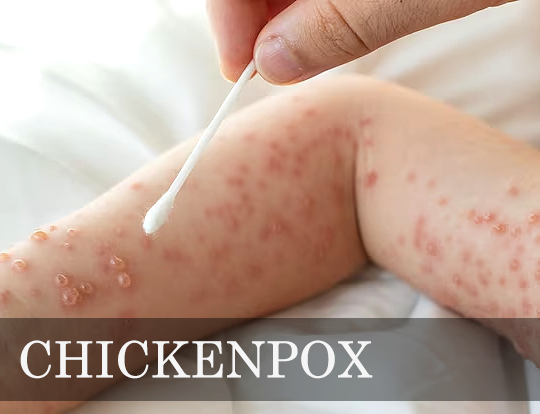
What are the 6 symptoms of chickenpox?
Chickenpox is a common viral infection that typically affects children, but can also affect adults who have not had it before. The symptoms of chickenpox typically include:
- Rash: The classic symptom of chickenpox is a red, itchy rash that usually starts on the face, chest, and back and then spreads to other parts of the body. The rash often progresses to form small, fluid-filled blisters that eventually burst and scab over.
- Fever: A mild to moderate fever, usually between 101-102°F, is a common symptom of chickenpox.
- Fatigue: Many people with chickenpox experience fatigue or malaise, which is a general feeling of discomfort or unease.
- Headache: Headache is a common symptom of chickenpox, especially in adults.
- Loss of appetite: Many people with chickenpox experience a loss of appetite, which can contribute to feelings of weakness or fatigue.
- Sore throat: Some people with chickenpox may also experience a sore throat or cough, especially in the early stages of the illness.
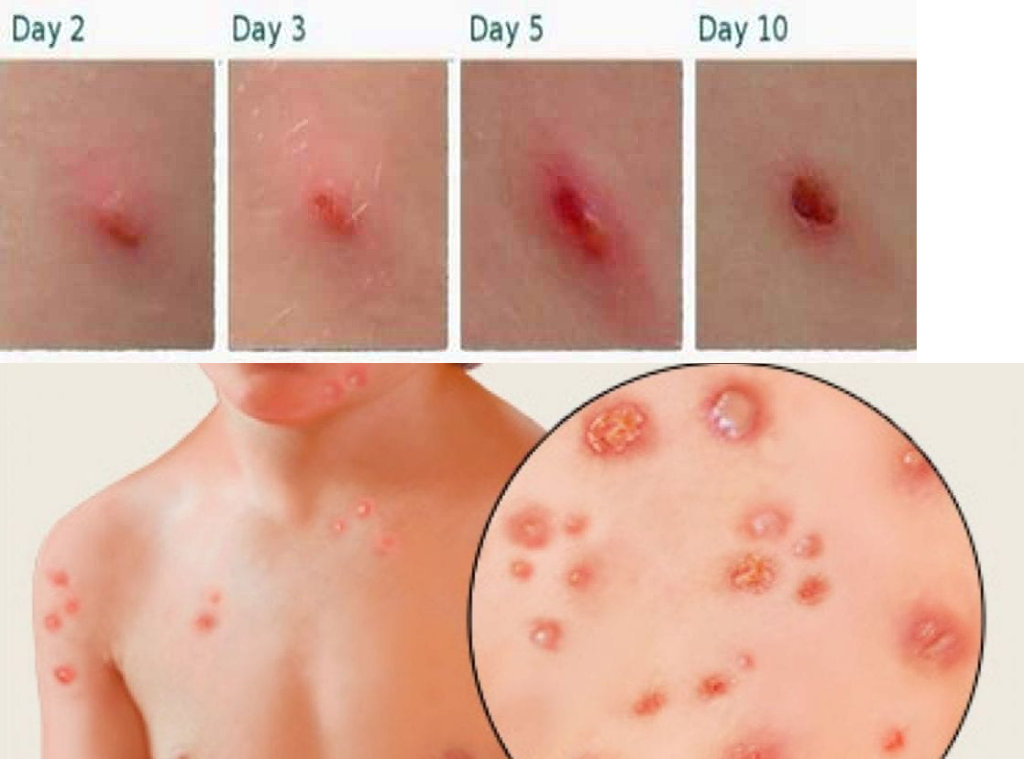
The symptoms of chickenpox usually develop 10 to 21 days after exposure to the virus and last for about 7 to 10 days. While chickenpox is usually a mild illness, it can sometimes lead to complications, particularly in people with weakened immune systems, pregnant women, or newborns. It is important to contact a healthcare professional if you suspect you or your child has chickenpox to discuss treatment options and potential complications.
How chickenpox is spread?
Chickenpox is highly contagious and is primarily spread through contact with an infected person. The virus is transmitted through respiratory secretions, such as mucus or saliva, as well as through contact with the fluid from the blisters of an infected person. Here are some common ways that chickenpox is spread:
- Contact with an infected person: Chickenpox is most commonly spread through contact with an infected person who is in the contagious stage of the illness. This can include contact with respiratory secretions, such as coughing or sneezing, or contact with the fluid from the blisters.
- Airborne transmission: The virus can also be spread through the air when an infected person coughs or sneezes, causing the virus to become airborne and potentially infecting others.
- Touching contaminated objects: The virus can also survive on surfaces and objects for a short period of time. If a person touches an object contaminated with the virus and then touches their mouth, nose, or eyes, they can become infected.
- Mother-to-child transmission: Pregnant women who have never had chickenpox and who become infected during pregnancy can transmit the virus to their unborn child.
It’s important to note that a person with chickenpox is contagious for several days before the rash appears, and they remain contagious until all the blisters have crusted over. It’s also possible for someone who has had chickenpox to develop shingles later in life, which can also be contagious. If you or your child has chickenpox, it’s important to avoid contact with others, especially those who are at higher risk for complications, until the contagious period has passed.
How long is chickenpox contagious?
The contagious period typically lasts about 5-7 days after the onset of the rash, but it can vary depending on the severity of the illness and the individual’s immune system. It’s important to note that the virus can still be transmitted even if the person with chickenpox is not showing any symptoms.

In general, it is recommended that people with chickenpox stay away from others who have not had the illness, especially pregnant women, newborns, and people with weakened immune systems. This helps to prevent the spread of the virus and reduces the risk of complications.
It’s important to take precautions during the contagious period to prevent the spread of the virus, including practicing good hygiene such as washing your hands frequently, covering your mouth and nose when coughing or sneezing, and avoiding close contact with others. If you or your child has chickenpox, it’s a good idea to check with your healthcare provider for advice on how to manage the illness and reduce the risk of complications.
What can chickenpox be mistaken for?
In some cases, chickenpox can be mistaken for other illnesses or conditions that have similar symptoms. Here are some conditions that can be mistaken for chickenpox:
- Herpes zoster (shingles): Shingles is caused by the same virus that causes chickenpox. The symptoms of shingles include a painful rash that typically occurs on one side of the body.
- Hand, foot, and mouth disease: This is a viral illness that can cause a rash on the hands, feet, and in the mouth. The rash can be mistaken for chickenpox, but the blisters are usually smaller and less itchy.
- Impetigo: Impetigo is a bacterial skin infection that can cause small, fluid-filled blisters that can be mistaken for chickenpox. However, the blisters of impetigo are usually located around the mouth or nose and are not as widespread as chickenpox.
- Molluscum contagiosum: This is a viral skin infection that can cause small, flesh-colored bumps on the skin that can resemble chickenpox. However, the bumps of molluscum contagiosum are not usually itchy.
- Eczema herpeticum: This is a complication of eczema that occurs when the skin is infected with the herpes simplex virus. The symptoms include a widespread rash that can resemble chickenpox, but it is usually more painful and may be accompanied by fever.
If you are unsure whether you or your child has chickenpox or another condition, it’s important to consult with a healthcare provider for a proper diagnosis and treatment.
What is the best treatment for chickenpox?
Chickenpox is a viral illness that usually resolves on its own within 1-2 weeks. There is no cure for chickenpox, but there are several treatments that can help alleviate the symptoms and reduce the risk of complications. Here are some common treatments for chickenpox:
- Antihistamines: Antihistamines can help relieve the itching associated with chickenpox. Over-the-counter antihistamines such as diphenhydramine (Benadryl) can be effective.
- Calamine lotion: Calamine lotion can be applied topically to the skin to help relieve itching.
- Acetaminophen or ibuprofen: These medications can help reduce fever and relieve pain. Aspirin should not be given to children with chickenpox as it has been associated with an increased risk of Reye’s syndrome.
- Antiviral medications: Antiviral medications may be prescribed for people with severe cases of chickenpox, those at high risk of complications, or those with weakened immune systems. These medications can help shorten the duration of the illness and reduce the severity of symptoms.
- Oral or topical antibiotics: Antibiotics may be prescribed if a bacterial infection develops as a complication of chickenpox, such as a skin infection.
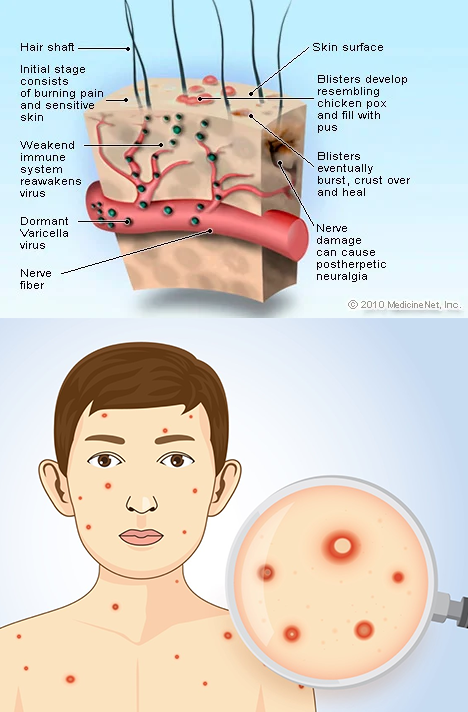
It’s important to consult with a healthcare provider before taking any medications, especially for children, and to follow their advice on how to manage the illness and reduce the risk of complications. Additionally, it’s important to get plenty of rest, drink fluids to prevent dehydration, and avoid scratching the blisters to prevent infection.
Do and don’ts in chickenpox?
Here are some general do’s and don’ts for people with chickenpox:
DO:
- Get plenty of rest and stay hydrated by drinking fluids such as water, juice, or broth.
- Keep the skin cool and dry to help relieve itching.
- Use over-the-counter antihistamines or calamine lotion to relieve itching.
- Take acetaminophen or ibuprofen to reduce fever and relieve pain.
- Keep fingernails clean and short to avoid scratching the blisters.
- Wear loose, comfortable clothing made of natural fibers such as cotton.
- Cover the blisters with clothing or dressings to prevent the spread of the virus.
DON’T:
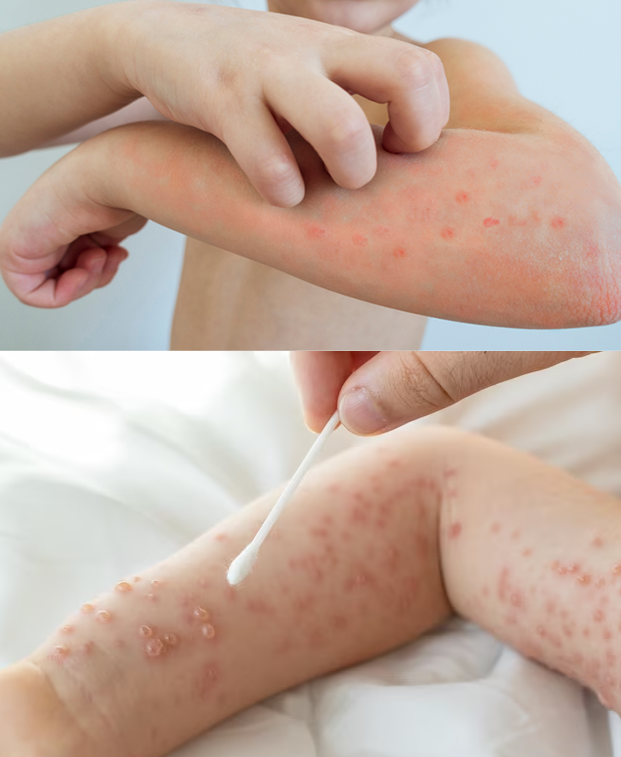
- Scratch the blisters, as this can lead to infection and scarring.
- Take aspirin, as this has been associated with an increased risk of Reye’s syndrome.
- Go to school, work, or public places until all the blisters have crusted over.
- Touch or come into contact with pregnant women, newborns, or people with weakened immune systems, as they are at higher risk of complications from chickenpox.
- Share personal items such as towels, bedding, or clothing with others.
- Take hot baths or use hot tubs, as this can make the itching worse and increase the risk of infection.
It’s important to follow the advice of a healthcare provider and take steps to prevent the spread of the virus, especially during the contagious period. If you or your child has chickenpox, it’s a good idea to stay home and avoid contact with others until all the blisters have crusted over.
Do I need to isolate if my child has chickenpox?
Y
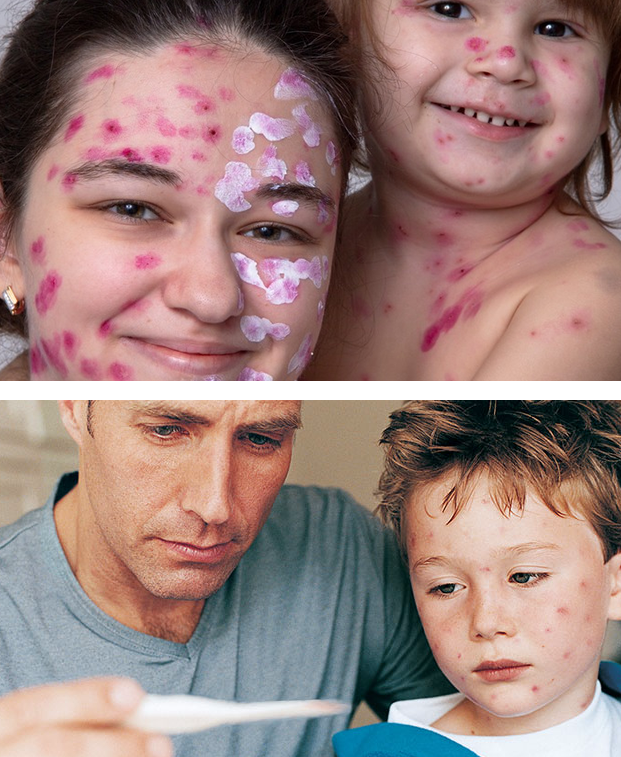
es, it is recommended that a child with chickenpox be isolated to prevent the spread of the virus to others who have not had chickenpox or the vaccine. Chickenpox is highly contagious, and the virus can spread through the air when an infected person coughs or sneezes or when someone comes into contact with fluid from the blisters.
Isolating a child with chickenpox can help prevent the virus from spreading to others. The child should be kept at home until all the blisters have crusted over, which usually takes about 5-10 days. During this time, the child should avoid contact with other people, including other family members, friends, and classmates.
If you have other children who have not had chickenpox, it’s a good idea to keep them away from the infected child until the risk of infection has passed. It’s also important to practice good hygiene, such as washing hands frequently and avoiding sharing personal items like towels, bedding, and clothing.
If you or someone in your family has been exposed to chickenpox, it’s important to talk to a healthcare provider to determine the best course of action. Depending on the circumstances, a healthcare provider may recommend getting vaccinated or receiving an injection of varicella zoster immune globulin (VZIG) to help prevent infection or lessen the severity of the illness.
What happens if a pregnant woman is exposed to chickenpox?
If a pregnant woman is exposed to chickenpox, there is a risk that the virus could affect the fetus, particularly during the first trimester. If the mother develops chickenpox during the first 20 weeks of pregnancy, there is a small risk of congenital varicella syndrome, which can cause birth defects such as skin scarring, eye problems, and brain damage.

If a pregnant woman is exposed to chickenpox, she should contact her healthcare provider immediately. The healthcare provider may recommend a blood test to determine if the woman is immune to the virus. If she is not immune, the healthcare provider may recommend a vaccine or an injection of varicella zoster immune globulin (VZIG) to help prevent or lessen the severity of the illness. If the woman does develop chickenpox, her healthcare provider will monitor her and the fetus closely and may recommend antiviral medication or other treatments as appropriate.
It’s important for pregnant women to take steps to protect themselves from exposure to chickenpox, such as avoiding contact with people who have the virus and practicing good hygiene, such as washing hands frequently. Pregnant women who are unsure about their immunity to the virus should talk to their healthcare provider to determine the best course of action to protect themselves and their unborn child.