

Honey is a natural sweetener produced by bees using nectar from flowers. It has been used for centuries as a food, medicine, and cosmetic ingredient. Here are 21 different types of honey, along with their benefits and myths:
Acacia honey:
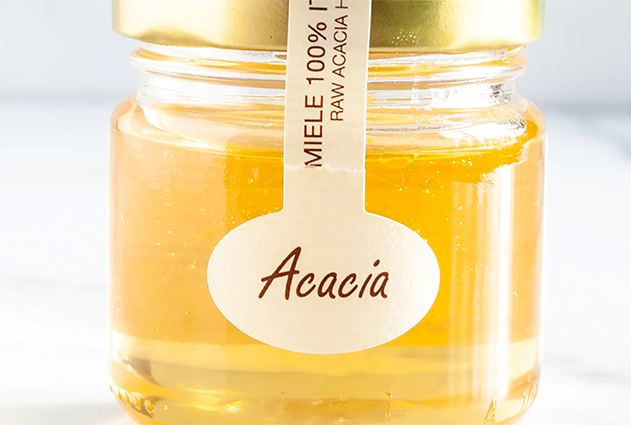
Acacia honey is a type of honey that is made from the nectar of the black locust tree (Robinia pseudoacacia), which is also known as the acacia tree. Despite its name, acacia honey is not made from the nectar of the true acacia tree (Acacia spp.) which is not common in Europe, where this type of honey is mainly produced.
Acacia honey is a light-colored honey with a mild, delicate flavor and a pleasant floral aroma. It is prized for its high fructose content, which gives it a longer shelf life and slower crystallization rate than many other types of honey. It is also known for its low acidity and low pollen count, which make it a good choice for people with allergies.
Acacia honey is often used as a sweetener for tea, coffee, and other beverages, as well as a topping for yogurt, fruit, and desserts. It is also used in baking and as a natural remedy for sore throats and coughs.
Alfalfa honey:

Alfalfa honey is a type of honey that is made from the nectar of the purple flowers of the alfalfa plant (Medicago sativa), which is a member of the legume family. The alfalfa plant is widely cultivated for animal feed, and it is also used as a cover crop to enrich the soil.
Alfalfa honey is a light-colored honey with a mild, sweet taste and a subtle herbal flavor. It has a medium to high viscosity and a slow crystallization rate, which makes it a popular choice among honey lovers. The color and flavor of alfalfa honey can vary depending on the climate, soil conditions, and the time of year when it is harvested.
Alfalfa honey is known for its high nutritional value, as it is rich in vitamins, minerals, and antioxidants. It is often used as a natural remedy for digestive problems, allergies, and respiratory issues. It is also used as a sweetener for tea, coffee, and other beverages, as well as a topping for toast, pancakes, and waffles.
.
Avocado honey:

Avocado honey is a type of honey that is made from the nectar of the flowers of the avocado tree (Persea americana). The avocado tree is a flowering evergreen tree that is native to Mexico and Central America, but is now grown in many parts of the world, including the United States, Israel, and South Africa.
Avocado honey is a dark, rich honey with a distinctive buttery flavor and a slightly bitter aftertaste. It has a high viscosity and a slow crystallization rate, which makes it a popular choice among honey enthusiasts. The color and flavor of avocado honey can vary depending on the climate, soil conditions, and the time of year when it is harvested.
Avocado honey is known for its high nutritional value, as it is rich in vitamins, minerals, and antioxidants. It is often used as a natural remedy for digestive problems, allergies, and respiratory issues. It is also used as a sweetener for tea, coffee, and other beverages, as well as a topping for toast, pancakes, and waffles. Due to its bold flavor, avocado honey is also used in cooking and baking as a substitute for sugar.
Blueberry honey:
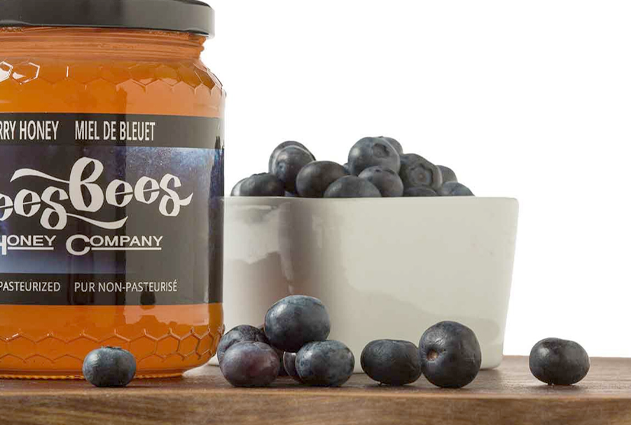
Blueberry honey is a type of honey that is made from the nectar of the flowers of blueberry bushes (Vaccinium spp.), which are native to North America. Blueberry bushes typically bloom in the late spring or early summer, and the bees collect the nectar from the small, bell-shaped flowers.
Blueberry honey is a light-colored honey with a delicate flavor and a fruity aroma that is reminiscent of blueberries. The color and flavor of blueberry honey can vary depending on the climate, soil conditions, and the time of year when it is harvested.
Blueberry honey is known for its high antioxidant content, as blueberries are a rich source of antioxidants. It is also rich in vitamins and minerals, including vitamin C, vitamin K, and manganese. Blueberry honey is often used as a natural remedy for sore throats, coughs, and other respiratory issues.
Blueberry honey is a popular choice for baking and cooking, and is often used as a sweetener for desserts, sauces, and marinades. It can also be used as a topping for yogurt, oatmeal, and other breakfast foods.
Buckwheat honey:

Buckwheat honey is a type of honey that is made from the nectar of the flowers of the buckwheat plant (Fagopyrum esculentum), which is a member of the rhubarb family. Buckwheat is a cereal grain that is often used to make pancakes, soba noodles, and other foods.
Buckwheat honey is a dark, rich honey with a distinctive molasses-like flavor and a strong, earthy aroma. It has a high viscosity and a slow crystallization rate, which makes it a popular choice among honey enthusiasts. The color and flavor of buckwheat honey can vary depending on the climate, soil conditions, and the time of year when it is harvested.
Buckwheat honey is known for its high antioxidant content, as well as its antibacterial and anti-inflammatory properties. It is often used as a natural remedy for sore throats, coughs, and other respiratory issues. It is also used to promote digestive health and to support the immune system.
Buckwheat honey is a popular choice for baking and cooking, and is often used as a sweetener for breads, muffins, and other baked goods. It can also be used as a topping for yogurt, oatmeal, and other breakfast foods. Due to its strong flavor, buckwheat honey is also used as a substitute for molasses or brown sugar in recipes.
Chestnut honey:

Chestnut honey is a type of honey that is made from the nectar of the flowers of chestnut trees (Castanea spp.). Chestnut trees are native to Europe, Asia, and North America, and their flowers bloom in the late spring or early summer.
Chestnut honey is a dark, amber-colored honey with a strong, pungent flavor and a slightly bitter aftertaste. It has a high viscosity and a slow crystallization rate, which makes it a popular choice among honey enthusiasts. The color and flavor of chestnut honey can vary depending on the climate, soil conditions, and the time of year when it is harvested.
Chestnut honey is known for its high mineral content, including potassium, magnesium, and iron. It also contains antioxidants and has antibacterial and anti-inflammatory properties. Chestnut honey is often used as a natural remedy for digestive issues, as well as to boost the immune system and promote overall health.
Chestnut honey is a popular choice for baking and cooking, and is often used as a sweetener for breads, cakes, and other baked goods. It can also be used as a topping for yogurt, cheese, and other foods. Due to its strong flavor, chestnut honey is often used in savory dishes, such as glazes for meat or vegetables.
Citrus honey:
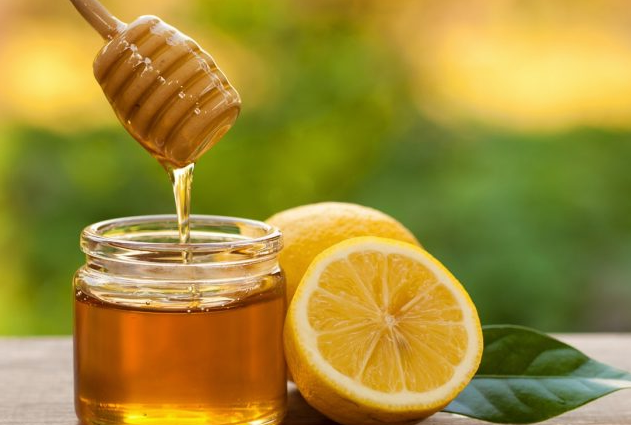
Citrus honey is a type of honey that is made from the nectar of the flowers of citrus trees, such as orange, lemon, lime, and grapefruit trees. The flowers of citrus trees bloom in the spring, and the bees collect the nectar to make honey.
Citrus honey is typically light in color, with a delicate, floral flavor and a subtle citrus aroma. The flavor and aroma can vary depending on the type of citrus tree from which the nectar was collected.
Citrus honey is known for its high vitamin C content, as well as its antibacterial and anti-inflammatory properties. It is often used as a natural remedy for sore throats and coughs, as well as to promote digestive health and boost the immune system.
Citrus honey is a popular choice for baking and cooking, and is often used as a sweetener for desserts, marinades, and sauces. It can also be used as a topping for yogurt, oatmeal, and other breakfast foods. Due to its delicate flavor, citrus honey is often used in recipes that require a mild sweetener, such as salad dressings or glazes for poultry or fish.
Clover honey:

Clover honey is a type of honey that is made from the nectar of clover flowers, which are members of the legume family. Clover is a common flowering plant that is found throughout North America and Europe.
Clover honey is typically light in color, with a mild, sweet flavor and a delicate floral aroma. The flavor and aroma can vary depending on the species of clover from which the nectar was collected.
Clover honey is known for its antibacterial and anti-inflammatory properties, as well as its high nutritional value. It is a good source of vitamins and minerals, including vitamin C, calcium, and iron.
Clover honey is a popular choice for baking and cooking, and is often used as a sweetener for tea, coffee, and other beverages. It can also be used as a topping for toast, biscuits, and other breakfast foods. Due to its mild flavor, clover honey is often used in recipes that require a subtle sweetener, such as dressings or marinades.
Comb honey:

Comb honey is a type of honey that is still in its natural, edible comb. It is made by honey bees that build their comb in a frame or box, and then fill the comb with honey. Comb honey is harvested by removing the frames or boxes from the hive and cutting or separating the comb from the frame or box.
Comb honey is prized by honey enthusiasts for its purity and unprocessed nature. It has a unique texture and flavor that is different from liquid honey, with a chewy, waxy texture and a sweet, floral flavor. Comb honey is often eaten on its own, as a spread on bread or crackers, or as a topping for cheese or fruit.
Comb honey is a natural source of vitamins, minerals, and antioxidants, and has antibacterial and anti-inflammatory properties. It is often used as a natural remedy for sore throats and other respiratory issues.
Comb honey is also used in the production of other honey products, such as creamed honey or chunk honey. It can also be used as a decorative element in desserts or other culinary creations
Dandelion honey:
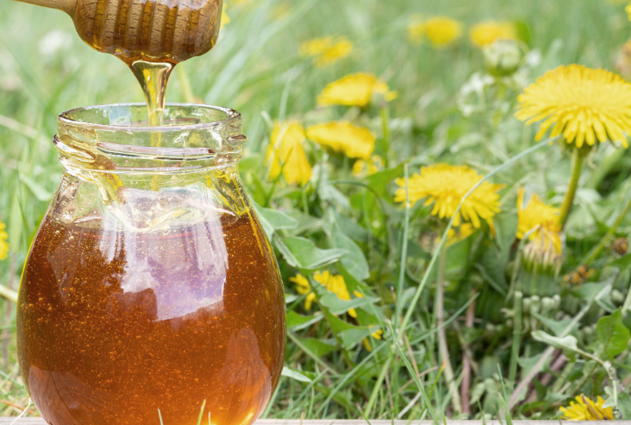
Dandelion honey is a type of honey that is made from the nectar of dandelion flowers. Dandelions are a common weed found in many parts of the world, and their flowers bloom in the spring and summer.
Dandelion honey is typically light in color, with a delicate, floral flavor and a subtle bitterness. The bitterness comes from the dandelion nectar, which has a slightly bitter taste.
Dandelion honey is known for its high nutritional value, and is a good source of vitamins and minerals, including vitamin C, calcium, and iron. It also has antibacterial and anti-inflammatory properties, and is often used as a natural remedy for digestive issues and other health concerns.
Dandelion honey is a popular choice for baking and cooking, and is often used as a sweetener for tea, coffee, and other beverages. It can also be used as a topping for toast, pancakes, and other breakfast foods. Due to its delicate flavor, dandelion honey is often used in recipes that require a subtle sweetener, such as dressings or marinades.
Eucalyptus honey:

Eucalyptus honey is a type of honey that is made from the nectar of eucalyptus flowers, which are native to Australia and also found in other parts of the world. Eucalyptus trees are known for their distinctive, aromatic leaves, which give the honey a unique flavor and aroma.
Eucalyptus honey is typically medium to dark in color, with a bold, robust flavor and a strong, pungent aroma. The flavor and aroma can vary depending on the species of eucalyptus from which the nectar was collected.
Eucalyptus honey is known for its antibacterial and anti-inflammatory properties, as well as its high antioxidant content. It is often used as a natural remedy for respiratory issues, such as coughs and colds, as well as for digestive issues and other health concerns.
Eucalyptus honey is a popular choice for baking and cooking, and is often used as a sweetener for tea, coffee, and other beverages. It can also be used as a glaze or marinade for meats, and as a topping for toast, biscuits, and other breakfast foods. Due to its bold flavor, eucalyptus honey is often used in recipes that require a strong, distinctive sweetener.
Forest honey:

Forest honey is a type of honey that is made from the nectar of various wildflowers and trees that grow in forested areas. The specific types of flowers and trees that contribute to forest honey can vary depending on the location and season.
Forest honey is typically dark in color, with a rich, complex flavor and a slightly smoky or woody aroma. The flavor can vary depending on the types of flowers and trees that contribute to the honey, and can range from sweet and floral to earthy and slightly bitter.
Forest honey is known for its antibacterial and anti-inflammatory properties, as well as its high nutritional value. It is often used as a natural remedy for sore throats, coughs, and other respiratory issues, as well as for digestive issues and other health concerns.
Forest honey is a versatile sweetener that can be used in a variety of recipes. It is often used in baking and cooking, and is a popular choice for marinades and dressings. It can also be used as a topping for toast, pancakes, and other breakfast foods.
Heather honey:
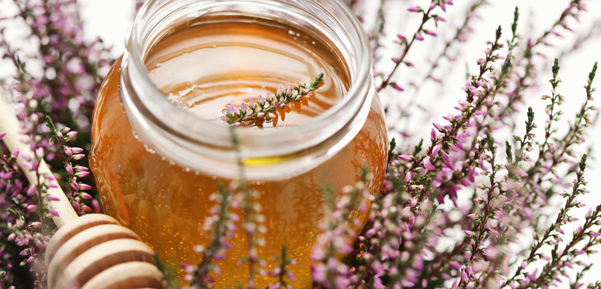
Heather honey is a type of honey that is produced by bees that collect nectar from the flowers of the heather plant, which is a type of shrub that grows in moorland and heathland areas. Heather honey is known for its strong, distinctive flavor, which is often described as woody or smoky, with a slightly bitter aftertaste.
The color of heather honey can vary from dark amber to almost black, depending on the type of heather and the location where it was produced. It is also known for its thick, viscous texture, which can make it difficult to spread.
Heather honey is popular in many parts of the world, particularly in Scotland, where it is often used as a sweetener for porridge, oatcakes, and other traditional dishes. It is also believed to have some health benefits, due to its high concentration of antioxidants and antibacterial properties.
However, it’s important to note that like all types of honey, heather honey is high in sugar and should be consumed in moderation as part of a balanced diet. Additionally, people with allergies to bee stings or honey should avoid consuming heather honey.
Honeydew honey:

Honeydew honey is a type of honey that is produced by bees from the sweet, sticky secretion known as honeydew, which is produced by aphids and other sap-sucking insects that feed on the sap of trees and plants. Honeydew is rich in sugars and other nutrients, making it a valuable food source for bees.
Honeydew honey has a distinctive flavor that is often described as woody, with a slightly bitter aftertaste. Its color can range from light amber to dark brown, depending on the type of tree or plant from which the honeydew was collected.
Honeydew honey is particularly popular in Europe, where it is often used as a sweetener in baked goods, and as a flavoring for drinks and desserts. It is also known for its medicinal properties, which include antibacterial and antioxidant effects.
However, it’s important to note that honeydew honey can sometimes contain high levels of natural toxins produced by the aphids or other insects that produce the honeydew, which can be harmful if consumed in large quantities. It’s also important to purchase honeydew honey from a reputable source to ensure that it is free from contaminants and other impurities.
Lavender honey:

Lavender honey is a type of honey that is produced by bees that collect nectar from the flowers of the lavender plant. Lavender is a popular herb that is widely cultivated for its fragrant flowers, which are often used in aromatherapy, cooking, and cosmetics.
Lavender honey has a light, delicate flavor that is often described as floral and slightly sweet, with a subtle hint of lavender. Its color can range from light amber to almost clear, depending on the type of lavender and the location where it was produced.
Lavender honey is popular in many parts of the world, particularly in France, where it is often used as a sweetener in tea and other hot beverages. It is also believed to have some health benefits, due to its high concentration of antioxidants and antibacterial properties.
Like all types of honey, lavender honey is high in sugar and should be consumed in moderation as part of a balanced diet.
Manuka honey:

Manuka honey is a type of honey that is produced by bees that collect nectar from the flowers of the Manuka tree, which is native to New Zealand. Manuka honey is known for its unique antibacterial properties, which are attributed to the high levels of a compound called methylglyoxal (MGO) that it contains.
Manuka honey has a strong, distinctive flavor that is often described as earthy, with a slightly bitter aftertaste. Its color can range from light amber to dark brown, depending on the concentration of MGO.
Manuka honey is highly valued for its medicinal properties, which include antibacterial, antifungal, and anti-inflammatory effects. It is often used as a natural remedy for a variety of health conditions, including sore throat, digestive issues, and skin infections.
However, it’s important to note that not all Manuka honey is created equal. The antibacterial activity of Manuka honey is measured using a rating system called the Unique Manuka Factor (UMF), which indicates the concentration of MGO and other compounds in the honey. Only honey that meets a certain UMF rating (usually UMF 10 or higher) is considered to have therapeutic benefits.
Orange blossom honey:

Orange blossom honey is a type of honey that is produced by bees that collect nectar from the flowers of orange trees. Orange trees are commonly found in warm, subtropical regions such as Florida, California, and parts of the Mediterranean.
Orange blossom honey has a light, delicate flavor that is often described as fruity and floral, with a hint of citrus. Its color can range from almost clear to light amber, depending on the type of orange tree and the location where it was produced.
Orange blossom honey is popular in many parts of the world, particularly in the United States and Europe, where it is often used as a sweetener in tea, baking, and other culinary applications. It is also believed to have some health benefits, due to its high concentration of antioxidants and anti-inflammatory properties.
Pine honey:
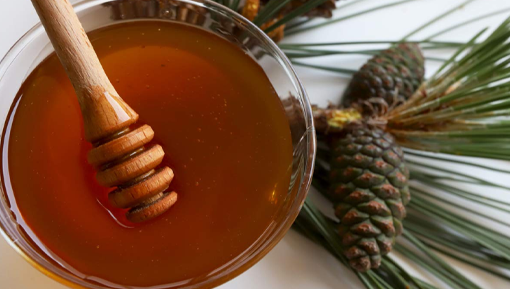
Pine honey is a type of honey that is produced by bees that collect nectar from the flowers of pine trees. Pine trees are commonly found in many parts of the world, particularly in the Mediterranean region, where pine honey is especially popular.
Pine honey has a distinct, strong flavor that is often described as resinous and slightly smoky, with a hint of bitterness. Its color can range from light amber to dark brown, depending on the type of pine tree and the location where it was produced.
Pine honey is highly valued for its medicinal properties, which include antibacterial and anti-inflammatory effects. It is often used as a natural remedy for respiratory infections, digestive issues, and other health conditions.
Rosemary honey:

Bees that gather nectar from rosemary plants produce a distinctive type of honey known as rosemary honey. This honey boasts a floral and herbaceous flavor with a slightly bitter aftertaste, and its color can range from light amber to dark brown depending on the region of harvest.
Rosemary honey is prized not only for its delicious taste but also for its potential health benefits. It contains high levels of antioxidants that can prevent cell damage and reduce inflammation in the body. Moreover, its antibacterial properties can enhance the immune system and help combat infections.
This honey is a popular ingredient in cooking and baking, as it can add complexity and depth to various dishes. It complements cheese, meat, and vegetables and can also be used to sweeten teas and other beverages.
Sage honey:

Honey bees gather and transform the nectar of Salvia plants into sage honey, a monofloral variety of honey. This type of honey is characterized by its light color, low moisture content, golden-glow, and thick, creamy texture. Sage honey is renowned for its antibacterial properties, making it a popular natural remedy for colds and flu. It has a mild, slightly vegetal scent and is often referred to as ‘California Gold’ since it is mainly harvested from the slopes of the Sierra Nevada range in California.
Thyme honey:

Thyme honey is recognized for its unique flavor and aroma, often described as herbaceous, floral, and slightly spicy. Its thick, syrupy consistency and dark amber color add to its distinct character.
Apart from its delectable taste, thyme honey is believed to offer numerous health benefits. It is rich in antioxidants and boasts antibacterial and anti-inflammatory properties. Some research suggests that thyme honey may help alleviate coughs and sore throats.
In general, the nutritional profile and potential health benefits of different types of honey depend on the specific plants that honeybees gather nectar from. However, most honey varieties contain high levels of antioxidants, which can safeguard cells against free radical damage.
Some toxic compounds found in honey

Although generally considered safe, some types of honey may contain toxic compounds. Here are a few examples:
Grayanotoxin: This toxin is present in the nectar of certain plants in the heather family, including rhododendrons and azaleas. Bees that collect nectar from these plants can transfer the toxin to honey, causing symptoms such as dizziness, weakness, and even heart failure in humans who consume large amounts.
Botulinum toxin: This toxin is produced by the bacteria Clostridium botulinum, which can grow in honey that has not been properly stored or pasteurized. Infants under one year of age are particularly susceptible to botulism, a serious illness caused by the toxin.
Pesticides: Bees that collect nectar from plants treated with pesticides can transfer the chemicals to honey. While the levels of pesticides in honey are usually low, it is still a concern for people who are sensitive to these chemicals.
Heavy metals: Honey may contain trace amounts of heavy metals such as lead, cadmium, and arsenic. These metals can accumulate in the body over time and cause health issues, particularly in children.
To minimize the risk of exposure to these toxic compounds, it is essential to purchase honey from a reputable source and store it properly. Honey should be kept in a sealed container in a cool, dry place, and infants under one year of age should not consume honey due to the risk of botulism.
The Truth Behind 12 Common Honey Myths
- Honey never spoils: While honey can last a very long time, it is not immortal. Over time, enzymes in honey can break down the sugars, causing it to crystallize or ferment. However, if stored properly in a sealed container and kept in a cool, dry place, honey can last for years.
- All honey is created equal: Different types of honey have different flavors, colors, and nutritional profiles. The taste and texture of honey can vary depending on the type of flower or plant the bees collected nectar from.
- Honey is healthier than sugar: While honey does contain some vitamins and minerals, it is still a type of sugar and should be consumed in moderation. In fact, honey has a higher glycemic index than sugar, meaning it can cause a quicker spike in blood sugar levels.
- Raw honey is always better: While raw honey has some health benefits and retains more of its natural nutrients, it can also contain harmful bacteria and toxins that are removed during the pasteurization process. It is important to buy raw honey from a trusted source.
- Honey can cure allergies: There is no scientific evidence to support the idea that honey can cure allergies. While consuming small amounts of local honey may help build up a tolerance to local pollen, it is not a cure for allergies.
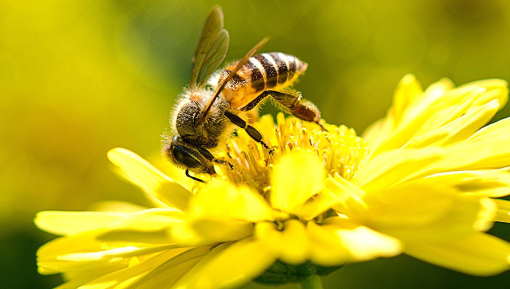
- Bees make honey from flower nectar only: Bees can also collect honeydew, a sweet secretion produced by aphids and other insects that feed on plant sap. Honeydew honey has a darker color and stronger flavor than traditional honey.
- Crystallized honey is spoiled: Crystallized honey is not spoiled, but rather a natural process that occurs when the glucose in honey forms into crystals. To liquify crystallized honey, simply heat it up in a warm water bath.
- Honey is a vegan food: Since honey is produced by bees, some vegans choose not to consume it. Others may choose to eat honey from ethical sources, such as beekeepers who do not harm or exploit the bees.
- Honey is an antibiotic: While honey does contain small amounts of hydrogen peroxide, which has antibacterial properties, it is not a substitute for modern antibiotics. Honey can help soothe a sore throat or cough, but should not be used to treat serious infections.
- Honey is a natural sweetener: While honey is produced by bees, it is not necessarily a « natural » product. Bees may collect nectar from flowers that have been treated with pesticides, and honey can also be processed and mixed with other ingredients.
- Honey is a low-calorie food: Honey is still a type of sugar and contains calories. While it does have some health benefits, consuming too much honey can still contribute to weight gain and other health problems.
- Honey can help you sleep: While honey can have a calming effect and help soothe a sore throat, there is no evidence to suggest it can help with insomnia or other sleep disorders.