

What are 9 cancer early warning signs of Leukemia?
he early warning signs of leukemia can be subtle and may resemble symptoms of other common illnesses, so it’s important to speak with a healthcare provider if you are experiencing any persistent or concerning symptoms. Some of the early warning signs of leukemia include:
- Fatigue: Feeling tired or weak, even after getting plenty of rest.
- Frequent infections: Recurring infections or infections that don’t respond to standard treatments.
- Unexplained weight loss: Losing weight without trying to.
- Easy bruising or bleeding: Bruising or bleeding easily, even from minor injuries.
- Fever and chills: Frequent fevers, often with sweating and chills.
- Joint pain and stiffness: Persistent pain or stiffness in the joints, often accompanied by swelling.
- Abdominal pain or swelling: Pain or swelling in the abdomen that is not related to eating or other digestive issues.
- Skin rash or red spots: Unexplained rash or small, red spots on the skin.
- Swollen lymph nodes: Swelling of the lymph nodes, especially in the neck, armpits, or groin.
These symptoms can be caused by a variety of conditions, so it’s important to speak with a healthcare provider if you are experiencing any of these symptoms for an extended period of time.
What is the main cause of Leukemia?
The exact cause of leukemia is not fully understood, but it is thought to be the result of a combination of genetic and environmental factors. Some known risk factors for leukemia include:
- Exposure to radiation: Exposure to high levels of ionizing radiation, such as from nuclear accidents or radiation therapy, can increase the risk of leukemia.
- Certain genetic disorders: Certain genetic disorders, such as Down syndrome and Li-Fraumeni syndrome, are associated with an increased risk of leukemia.
- Exposure to certain chemicals: Exposure to benzene and other chemicals has been linked to an increased risk of leukemia.
- Smoking: Smoking is a known risk factor for several types of cancer, including leukemia.
- Family history: Having a close relative, such as a parent or sibling, with leukemia can increase the risk of developing the disease.
What are the 4 stages of Leukemia?
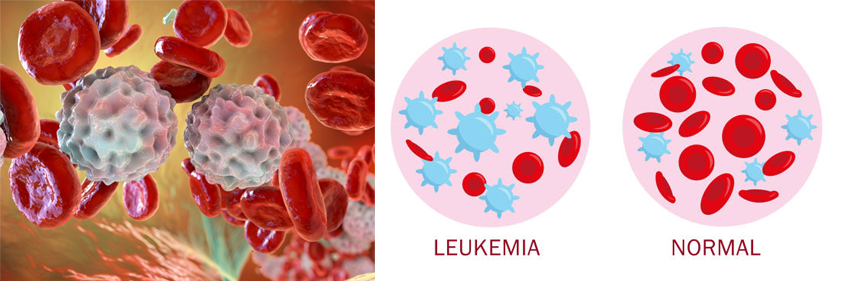
The stages of leukemia are:
- Chronic Lymphocytic Leukemia (CLL):
- Stage 0: Cancer cells are present, but there are no other symptoms.
- Stage I: Lymph nodes are swollen.
- Stage II: The liver, spleen, or both are swollen.
- Stage III: Anemia is present.
- Stage IV: Platelet count is low.
- Acute Lymphoblastic Leukemia (ALL):
- Standard-risk: Fewer than 10,000 white blood cells per microliter.
- High-risk: More than 10,000 white blood cells per microliter.
- Chronic Myelogenous Leukemia (CML):
- Chronic phase: Fewer than 10% blast cells in the blood or bone marrow.
- Accelerated phase: 10-19% blast cells in the blood or bone marrow, or the presence of certain genetic changes.
- Blast crisis: 20% or more blast cells in the blood or bone marrow.
- Acute Myelogenous Leukemia (AML):
- Induction phase: Treatment begins to destroy the leukemia cells.
- Consolidation phase: Treatment continues to prevent the leukemia from returning.
- Maintenance phase: Treatment is given to keep the leukemia in remission.
Lymphocytic Leukemia New Treatment
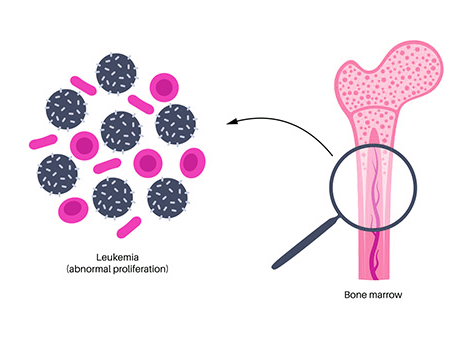
Treatment options for lymphocytic leukemia may include:
- Chemotherapy: This involves the use of powerful drugs to kill Leukemia cancer cells.
- Radiation therapy: This involves the use of high-energy radiation to kill cancer cells.
- Stem cell transplantation: This involves replacing the patient’s bone marrow with healthy stem cells from a donor.
- Immunotherapy: This involves the use of drugs that help the patient’s immune system to recognize and attack cancer cells.
- Targeted therapy: This involves the use of drugs that target specific proteins or genes that are involved in the growth and spread of cancer cells.
The choice of treatment depends on the specific type of lymphocytic leukemia, as well as the patient’s age, overall health, and other factors. In some cases, a combination of treatments may be used.
What is life expectancy after Leukemia?
In general, the outlook for leukemia has improved significantly in recent years due to advances in treatment options. The overall five-year survival rate for adults with leukemia is around 65%, although this can vary widely depending on the specific type of leukemia.
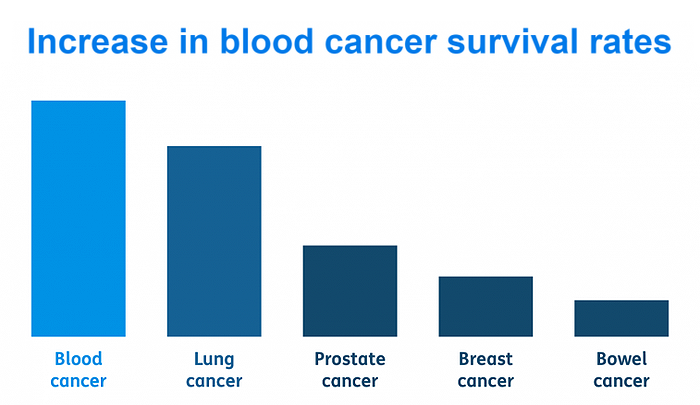
For example, the five-year survival rate for chronic lymphocytic leukemia (CLL) is relatively high, with many patients surviving for many years with the disease. On the other hand, acute lymphocytic leukemia (ALL) tends to have a poorer prognosis, especially in adults, with a five-year survival rate of around 30-40%.
Pain medication for Leukemia
There are several types of pain medication that may be used to manage pain in leukemia patients, including:
- Nonsteroidal anti-inflammatory drugs (NSAIDs): These medications, such as ibuprofen and naproxen, can help reduce pain and inflammation.
- Acetaminophen: This medication, also known as paracetamol, can help reduce pain and fever.
- Opioids: These medications, such as morphine, oxycodone, and fentanyl, are strong pain relievers that may be used to manage severe pain in leukemia patients.
- Corticosteroids: These medications, such as prednisone, can help reduce inflammation and pain.
The choice of pain medication depends on the type and severity of pain, as well as the patient’s overall health and other medications they may be taking.