
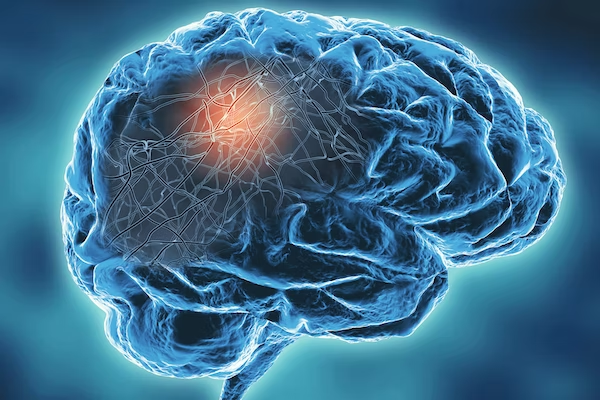
What are usually the 6 first signs of Parkinson’s?
The early symptoms of Parkinson’s disease can be subtle and may develop gradually over time. Here are some of the common early signs and symptoms of Parkinson’s:
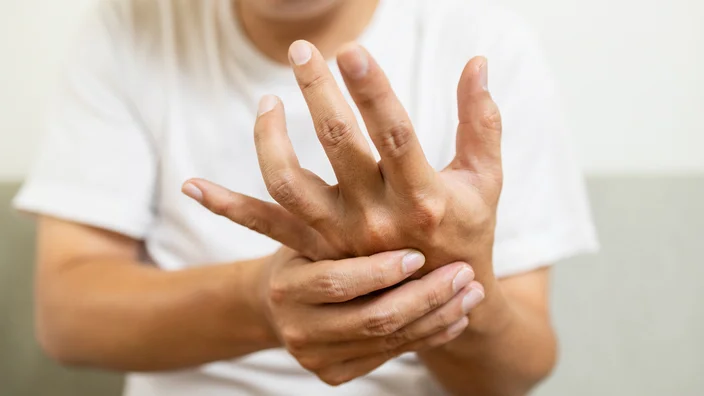
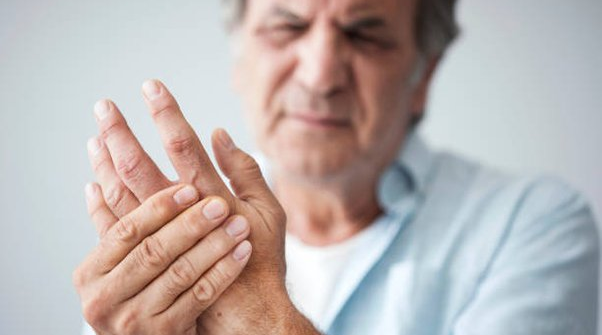
- Tremors: A tremor, or shaking, often begins in one limb, usually the hand or fingers, and is most noticeable when the limb is at rest.
- Slowed movement: Parkinson’s disease can cause a slowing of movement, making simple tasks take longer than usual.
- Rigidity: Stiffness or rigidity in the limbs or trunk can make movement difficult and uncomfortable.
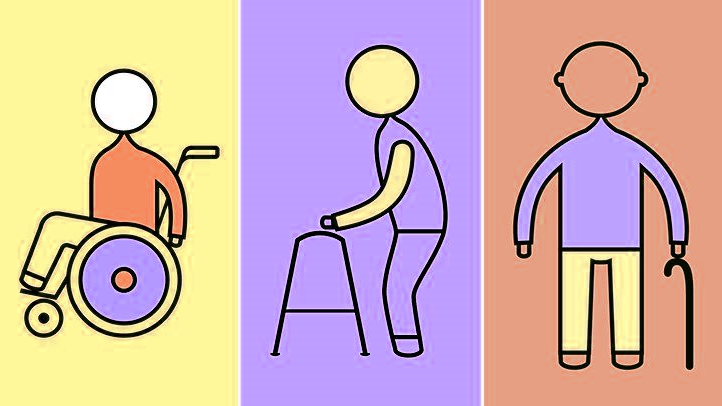
- Postural instability: Parkinson’s disease can affect balance and coordination, leading to a tendency to fall or lose balance.
- Loss of smell: In some cases, a loss of sense of smell can be an early sign of Parkinson’s disease.
- Changes in handwriting: Parkinson’s disease can cause changes in handwriting, making it smaller and more difficult to read.

It’s important to keep in mind that not everyone with Parkinson’s disease experiences all of these symptoms, and that other conditions can also cause similar symptoms. If you’re concerned about any changes in your health or are experiencing any of these symptoms, it’s important to talk to a healthcare provider for an evaluation and diagnosis.
What are the 6 main causes of Parkinson’s disease?
The exact causes of Parkinson’s disease are not fully understood, but it is thought to be a complex interplay of genetic and environmental factors. Here are some of the known risk factors and causes of Parkinson’s disease:
- Age: Parkinson’s disease is more common in people over the age of 60, and the risk of developing the condition increases with age.
- Genetics: While most cases of Parkinson’s disease are not inherited, some genetic mutations have been associated with an increased risk of developing the condition.
- Environmental factors: Exposure to certain toxins and environmental factors, such as pesticides and other chemicals, may increase the risk of developing Parkinson’s disease.
- Brain injuries: Some research suggests that head injuries and trauma may be a risk factor for Parkinson’s disease.
- Sex: Men are more likely than women to develop Parkinson’s disease.
- Other health conditions: Certain health conditions, such as REM sleep behavior disorder, depression, and anxiety, have been associated with an increased risk of Parkinson’s disease.
It’s important to note that not everyone with these risk factors will develop Parkinson’s disease, and some people without any known risk factors may still develop the condition. If you’re concerned about your risk of developing Parkinson’s disease, it’s important to talk to a healthcare provider for more information and guidance.
Who is most likely to get Parkinson’s disease?
Parkinson’s disease can affect people of any age, but it is most commonly diagnosed in people over the age of 60. Men are also slightly more likely than women to develop Parkinson’s disease.
While the exact causes of Parkinson’s disease are not fully understood, there are several risk factors that may increase a person’s likelihood of developing the condition. These include:
- Age: The risk of developing Parkinson’s disease increases with age, with the majority of cases diagnosed in people over the age of 60.
- Genetics: While most cases of Parkinson’s disease are not inherited, some genetic mutations have been associated with an increased risk of developing the condition.
- Environmental factors: Exposure to certain toxins and environmental factors, such as pesticides and other chemicals, may increase the risk of developing Parkinson’s disease.
- Sex: Men are slightly more likely than women to develop Parkinson’s disease.
- Other health conditions: Certain health conditions, such as REM sleep behavior disorder, depression, and anxiety, have been associated with an increased risk of Parkinson’s disease.
It’s important to note that having these risk factors does not necessarily mean a person will develop Parkinson’s disease, and some people without any known risk factors may still develop the condition. If you’re concerned about your risk of developing Parkinson’s disease, it’s important to talk to a healthcare provider for more information and guidance.
Is Parkinson’s caused by stress?
While stress can certainly worsen symptoms of Parkinson’s disease, there is no evidence to suggest that stress is a direct cause of the condition.
The exact causes of Parkinson’s disease are not fully understood, but it is thought to be a complex interplay of genetic and environmental factors. While stress can be a trigger for many health conditions, including exacerbating symptoms of Parkinson’s disease, it is not considered a direct cause of the condition.
It’s important to manage stress and maintain good overall physical and mental health, particularly if you have Parkinson’s disease or other health conditions. This can include practices such as exercise, relaxation techniques, and mindfulness. If you’re concerned about your stress levels or are experiencing symptoms of Parkinson’s disease, it’s important to talk to a healthcare provider for more information and guidance.
What foods affect Parkinson’s?
There is no one-size-fits-all answer to this question, as the relationship between diet and Parkinson’s disease is complex and can vary from person to person.

That being said, some research suggests that the following dietary factors may have an impact on Parkinson’s disease:
- Antioxidants: Antioxidant-rich foods, such as fruits and vegetables, may help to protect against oxidative stress and inflammation, which are thought to be involved in the development of Parkinson’s disease.
- Omega-3 fatty acids: Omega-3 fatty acids, found in fatty fish and some plant-based sources such as flaxseeds, have been shown to have anti-inflammatory effects and may be beneficial for people with Parkinson’s disease.
- Caffeine: Some studies have suggested that caffeine may have a protective effect against Parkinson’s disease, although more research is needed to fully understand this relationship.
- Protein: Some people with Parkinson’s disease may experience improved symptoms with a low-protein diet, as protein can interfere with the absorption of levodopa, a medication commonly used to treat Parkinson’s disease.
- Iron: Some research has suggested that high levels of iron in the brain may contribute to the development of Parkinson’s disease, so it may be beneficial to avoid excessive iron intake.
It’s important to keep in mind that the research on diet and Parkinson’s disease is still evolving, and what works for one person may not work for another. If you’re concerned about the role of diet in Parkinson’s disease, it’s important to talk to a healthcare provider or a registered dietitian for personalized guidance and advice.
What famous actors have Parkinson’s?
Several well-known actors have been diagnosed with Parkinson’s disease. Here are a few examples:
- Michael J. Fox: Michael J. Fox is perhaps one of the most well-known actors with Parkinson’s disease. He was diagnosed with the condition in 1991, and has since become a prominent advocate for Parkinson’s disease research and awareness.
- Alan Alda: Alan Alda, known for his roles in « MAS*H » and « The West Wing, » was diagnosed with Parkinson’s disease in 2015. He has since been open about his diagnosis and has advocated for increased awareness of the condition.
- Robin Williams: The late Robin Williams, known for his roles in films such as « Dead Poets Society » and « Mrs. Doubtfire, » was also diagnosed with Parkinson’s disease prior to his death in 2014.
- Neil Diamond: Singer-songwriter Neil Diamond announced his diagnosis of Parkinson’s disease in 2018 and retired from touring.
- Billy Connolly: Scottish comedian Billy Connolly announced his Parkinson’s disease diagnosis in 2013 and has since become an advocate for Parkinson’s disease research.

It’s worth noting that while these actors may have Parkinson’s disease, it does not define them, and they continue to contribute to the world in many ways beyond their condition.
How can Parkinson’s disease be prevented ?
At this time, there is no known way to prevent Parkinson’s disease. The exact causes of Parkinson’s disease are not fully understood, but it is thought to be a complex interplay of genetic and environmental factors.
However, there are some lifestyle factors that may help to reduce the risk of developing Parkinson’s disease, or delay its onset. These include:
- Exercise: Regular exercise, particularly aerobic exercise, has been shown to be beneficial for brain health and may reduce the risk of developing Parkinson’s disease.
- Healthy diet: A diet rich in fruits, vegetables, whole grains, and lean proteins may be beneficial for brain health and may help to reduce the risk of developing Parkinson’s disease.
- Avoiding environmental toxins: Exposure to certain toxins and environmental factors, such as pesticides and other chemicals, may increase the risk of developing Parkinson’s disease. Avoiding exposure to these toxins, where possible, may help to reduce the risk of developing the condition.
- Sleep: Poor sleep quality and sleep disturbances have been associated with an increased risk of Parkinson’s disease. Maintaining good sleep habits may help to reduce the risk of developing the condition.
- Brain stimulation: Some research suggests that activities that stimulate the brain, such as learning new skills or engaging in mentally challenging activities, may help to reduce the risk of developing Parkinson’s disease.

It’s important to keep in mind that while these lifestyle factors may be beneficial for overall health, they do not guarantee protection against Parkinson’s disease, and some people without these risk factors may still develop the condition. If you’re concerned about your risk of developing Parkinson’s disease, it’s important to talk to a healthcare provider for more information and guidance.
What is the life expectancy with Parkinson’s?
The life expectancy for people with Parkinson’s disease varies and is affected by many factors, including age, overall health, and disease severity.
In general, Parkinson’s disease itself is not typically a fatal condition, and most people with Parkinson’s disease can expect to live a normal or near-normal lifespan. However, Parkinson’s disease can increase the risk of other health complications, such as pneumonia, falls, and other injuries, which can impact life expectancy.
The rate of disease progression can also vary greatly among individuals, with some people experiencing a relatively slow progression of symptoms over many years, while others may experience a more rapid decline in health. Additionally, some people with Parkinson’s disease may experience other health complications or conditions, such as dementia or depression, which can also affect life expectancy.
It’s important to work closely with a healthcare provider to monitor and manage the symptoms of Parkinson’s disease and any related health conditions, in order to maintain the best possible quality of life and life expectancy.
What is the 6 best treatment for Parkinson’s disease?
There is no single « best » treatment for Parkinson’s disease, as the most effective approach to managing the condition will depend on the individual’s specific symptoms, overall health, and other factors. However, there are several types of treatments that may be used alone or in combination to manage Parkinson’s disease.
- Medications: There are several types of medications that can be used to manage the symptoms of Parkinson’s disease, such as levodopa, dopamine agonists, and MAO-B inhibitors. These medications can help to improve motor symptoms, such as tremors and stiffness, by increasing the amount of dopamine in the brain.
- Deep brain stimulation (DBS): This is a surgical procedure that involves implanting electrodes in specific areas of the brain, which are then stimulated by a pacemaker-like device that is implanted in the chest. DBS can help to improve motor symptoms, such as tremors and stiffness, in people with Parkinson’s disease who have not responded well to medication.
- Physical therapy: Physical therapy can help to improve balance, gait, and other motor symptoms, as well as address non-motor symptoms such as muscle rigidity and pain. It can also help to reduce the risk of falls and other injuries.
- Speech therapy: Speech therapy can help to improve speech and communication difficulties that can occur in people with Parkinson’s disease.
- Occupational therapy: Occupational therapy can help people with Parkinson’s disease to manage daily activities and maintain independence, even as their symptoms progress.
- Lifestyle modifications: Lifestyle modifications, such as regular exercise, a healthy diet, and stress reduction techniques, can help to manage the symptoms of Parkinson’s disease and improve overall health and well-being.
It’s important to work closely with a healthcare provider to develop an individualized treatment plan for Parkinson’s disease that takes into account the individual’s specific symptoms and needs.