

Where did Hep B originate from?
There are several theories about the origin of HBV. One theory suggests that the virus evolved from a virus that infected birds, and then adapted to infect humans. Another theory suggests that HBV originated in Africa and then spread to other parts of the world through human migration.
Recent studies of the genetic makeup of the virus suggest that it may have originated in the Middle East or Asia, and then spread to other parts of the world through trade and migration. It is believed that the virus has been present in humans for at least 5,000 years.
Today, hepatitis B is a global health problem, with an estimated 257 million people living with chronic HBV infection worldwide. The virus is most prevalent in Africa and Asia, but it is also found in other parts of the world. Hepatitis B can be prevented with a safe and effective vaccine, which is recommended for all infants and children, as well as adults at high risk for infection.
What causes virus of Hepatitis B?

HBV is primarily transmitted through exposure to infected blood or bodily fluids, such as semen and vaginal secretions. The virus can be transmitted through:
- Sexual contact with an infected person
- Sharing needles or other drug-injection equipment with an infected person
- Mother-to-child transmission during childbirth
- Direct contact with infected blood or open sores
In some cases, the virus can also be transmitted through close contact with an infected person, such as living in the same household or sharing personal hygiene items like razors or toothbrushes.
what’s hepatitis B symptoms?
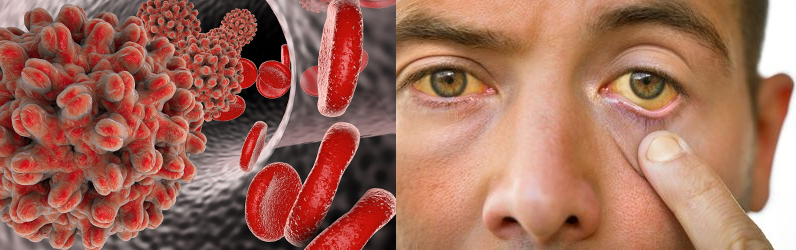
Hepatitis B is a viral infection that affects the liver. Some people with hepatitis B may not experience any symptoms, while others may experience a range of symptoms that can vary in severity. The symptoms of hepatitis B can be similar to those of other types of viral hepatitis, and can include:
- Fever
- Fatigue
- Loss of appetite
- Nausea and vomiting
- Abdominal pain or discomfort
- Dark urine
- Clay-colored bowel movements
- Joint pain
- Jaundice (yellowing of the skin and whites of the eyes)
The symptoms of acute hepatitis B usually develop within one to four months after infection and can last for several weeks. Some people with acute hepatitis B may not experience any symptoms, while others may have mild symptoms that go unrecognized.
Chronic hepatitis B is a long-term infection that can cause liver damage, cirrhosis, and liver cancer. Many people with chronic hepatitis B do not experience symptoms until the later stages of the disease, when liver damage has already occurred.
Can Hep B be transmitted through Kissing?
HBV is primarily transmitted through exposure to infected blood or bodily fluids, such as semen and vaginal secretions.

However, there are certain situations where there may be an increased risk of transmission through saliva, such as:
- Deep or open-mouth kissing with an infected person who has bleeding gums or sores in their mouth
- Sharing toothbrushes or razors with an infected person
- Biting or being bitten by someone who is infected
In general, the risk of transmission through casual contact with an infected person is low. However, it’s important to take precautions to avoid exposure to blood or bodily fluids, particularly if you have not been vaccinated against hepatitis B.
The best way to protect against hepatitis B is to get vaccinated. The vaccine is safe and effective, and is recommended for all infants and children, as well as adults at high risk for infection.
What is chronic hepatitis B?
chronic hepatitis B persists for more than 6 months and can lead to serious liver damage, including cirrhosis, liver failure, and liver cancer.
Chronic hepatitis B often has no symptoms, especially in the early stages, which makes it difficult to diagnose. However, over time, the virus can cause inflammation and scarring of the liver, which can lead to symptoms such as fatigue, abdominal pain, jaundice, and swelling of the legs and feet.
Chronic hepatitis B is more common in people who were infected with the virus at a young age, and in those who have a weakened immune system. It can also be more common in certain populations, including people from areas with high rates of infection, such as sub-Saharan Africa and parts of Asia.
Treatment for chronic hepatitis B may include antiviral medications that help to suppress the virus, reduce liver inflammation, and prevent liver damage.
Can Hep B be cured completely?
In most cases, acute hepatitis B (newly acquired infection) will resolve on its own within a few months without treatment. However, chronic hepatitis B (long-term infection) is a more serious condition that cannot be completely cured, but it can be managed with appropriate medical care.

There are antiviral medications available that can help to suppress the virus and reduce the risk of complications such as liver damage, cirrhosis, and liver cancer. These medications can also help to improve liver function and reduce the amount of virus in the blood.
In some cases, people with chronic hepatitis B may be able to achieve a sustained virologic response (SVR) with antiviral therapy, meaning that they have undetectable levels of the virus in their blood for at least 6 months after stopping treatment. However, even with SVR, there is still a risk of virus reactivation and liver damage, so ongoing monitoring is necessary.