
Natural Birth vs C-Section, What’s the Difference?
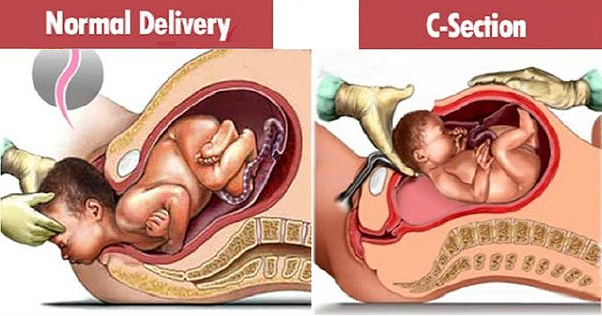
Natural birth and cesarean section (C-section) are two different ways of delivering a baby. Natural birth, also known as vaginal birth, is the process by which a baby is born through the mother’s birth canal. During natural birth, the baby moves down the birth canal and is pushed out through the vagina, assisted by the mother’s contractions and the force of gravity.
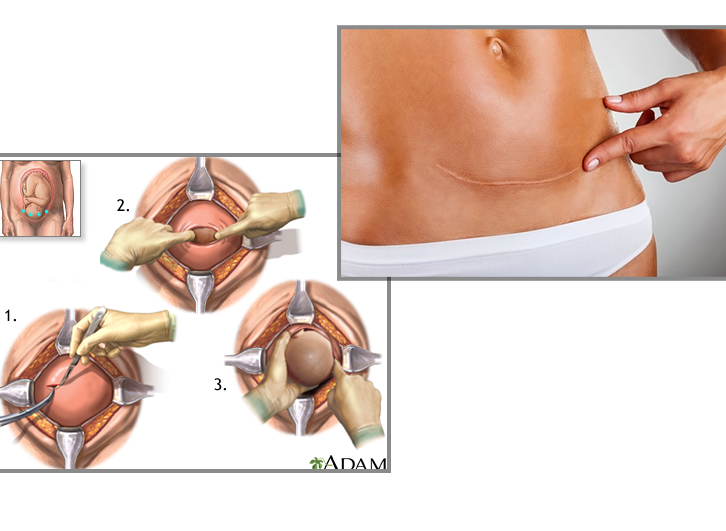
In contrast, a C-section is a surgical procedure in which the baby is delivered through an incision made in the mother’s abdomen and uterus. During a C-section, the mother is given anesthesia to numb the lower half of her body, and the baby is delivered through the incision in the abdomen and uterus.
There are several differences between natural birth and C-section. In natural birth, the mother is able to move around and change positions during labor, and she may be able to use natural pain relief techniques such as breathing exercises, relaxation, and massage. After natural birth, the mother may experience pain and discomfort in the vaginal area, but she is typically able to start breastfeeding and caring for her baby soon after delivery.
In a C-section, the mother is not able to move around during the procedure, and the surgery carries more risks than natural birth, including bleeding, infection, and complications with anesthesia. Recovery time is also longer after a C-section, and the mother may experience more pain and discomfort in the incision area. However, a C-section can be necessary in certain situations, such as when the baby is in a breech position or when there are complications during labor.
Ultimately, the decision of whether to have a natural birth or a C-section depends on a variety of factors, including the mother’s health and medical history, the baby’s health, and the preferences of the mother and her healthcare provider.
Natural Birth Pros & cons
Natural birth, also known as vaginal birth, has its own set of advantages and disadvantages. Some of the pros and cons of natural birth are as follows:
Pros:
- Less risk of complications: Vaginal birth is associated with fewer risks of complications, such as infection, bleeding, and blood clots, compared to C-section.
- Faster recovery time: Recovery time is typically faster after a vaginal birth, as the mother’s body is able to naturally heal from the birth process.
- More natural process: Vaginal birth is a natural process that allows the mother’s body to go through the normal physiological process of labor and delivery.
- Baby may benefit: Babies born vaginally may have a lower risk of respiratory problems and other complications compared to babies born by C-section.
- Better breastfeeding: Natural birth is associated with better breastfeeding outcomes, as the baby is able to breastfeed more easily soon after delivery.

Cons:
- Pain and discomfort: Vaginal birth can be painful and uncomfortable for the mother, especially during the pushing stage of labor.
- Risk of tearing: Vaginal birth carries a risk of tearing, which can require stitches and cause pain and discomfort during recovery.
- Incontinence: Vaginal birth can increase the risk of urinary and fecal incontinence in some women.
- Need for interventions: Sometimes, interventions such as forceps or vacuum extraction may be needed to assist with the delivery, which can increase the risk of complications.
- Possible long labor: Some women may have a long labor and delivery, which can be physically and emotionally exhausting.
It’s important to note that every woman’s experience with natural birth is unique, and there are many factors that can impact the pros and cons for each individual. It’s important to talk to a healthcare provider about the risks and benefits of natural birth, as well as any concerns or preferences you may have.
Cesarean section (C-section) Pros & cons
Cesarean section (C-section) is a surgical procedure that involves delivering a baby through an incision in the mother’s abdomen and uterus. Like natural birth, C-section has its own set of advantages and disadvantages. Some of the pros and cons of C-section are as follows:
Pros:
- Controlled delivery: C-section is a controlled delivery method that allows the healthcare provider to plan and control the delivery process, which can be important in certain situations.
- Lower risk of birth injuries: C-section can reduce the risk of birth injuries, such as head trauma, to the baby in some situations, particularly if the baby is large or in a breech position.
- Avoiding complications: C-section can be necessary to avoid complications during labor, such as prolonged labor or fetal distress, that can put the mother and baby at risk.
- Choice: Some women may choose to have a C-section for personal reasons, such as a fear of natural birth or a preference for a scheduled delivery.
- Avoiding damage to the pelvic floor: C-section may reduce the risk of damage to the pelvic floor, which can lead to urinary and fecal incontinence later in life.
Cons:
- Longer recovery time: Recovery time after a C-section is typically longer than after natural birth, as it is a major abdominal surgery that requires a longer hospital stay and a longer period of restricted activity.
- Risk of complications: C-section carries a higher risk of complications, such as infection, bleeding, and blood clots, than natural birth.
- Risk to future pregnancies: C-section can increase the risk of complications in future pregnancies, such as placenta previa or uterine rupture.
- Difficulty breastfeeding: C-section can make breastfeeding more difficult, as the baby may be sleepy or disoriented after delivery and the mother may experience pain and discomfort from the surgery.
- Emotional impact: C-section can be emotionally difficult for some women, as it can be an unexpected or unwanted delivery method, and can be associated with feelings of disappointment or failure.
It’s important to note that every woman’s experience with C-section is unique, and there are many factors that can impact the pros and cons for each individual. It’s important to talk to a healthcare provider about the risks and benefits of C-section, as well as any concerns or preferences you may have.
What hurts more normal or Cesarean section (C-section)?
The amount of pain experienced during a vaginal birth versus a C-section can vary from woman to woman and is influenced by factors such as pain tolerance, medical history, and the specifics of the birth or surgery. Generally, women who have a C-section will experience more pain and discomfort in the first few days after delivery than women who deliver vaginally.
During a vaginal birth, pain is typically concentrated in the lower abdomen and back, as well as the perineum during the pushing phase. Pain can range from mild discomfort to intense pain, but in most cases, the pain will gradually subside after the delivery.
After a C-section, the mother will typically experience pain and discomfort in the incision area, as well as in the surrounding muscles, for several days to a few weeks after the surgery. This pain can be managed with medication and other techniques such as rest, ice, and heat.
It’s important to note that pain levels and recovery times can vary depending on many factors, and some women may experience more pain and longer recovery times after a vaginal birth or a C-section. It’s important to talk to your healthcare provider about the potential for pain and discomfort during and after birth, and to discuss pain management options that may be available to you.
How can I increase my chances of having a natural birth?
There are several things that you can do to increase your chances of having a natural birth:
- Choose a supportive healthcare provider: Choose a healthcare provider who is supportive of natural birth and who has a low C-section rate. Seek a provider who is open to your preferences and who is willing to work with you to achieve your goals for birth.
- Take a childbirth education class: Taking a childbirth education class can help you understand the birthing process and prepare for a natural birth. A class can also provide you with tools and techniques for coping with pain during labor and delivery.
- Stay healthy and active during pregnancy: Eating a healthy diet, staying active, and avoiding unhealthy habits such as smoking or drinking alcohol can help prepare your body for a natural birth. Prenatal exercise can also help build strength and endurance for labor and delivery.
- Consider hiring a doula: A doula is a trained professional who provides emotional and physical support during labor and delivery. Studies have shown that women who have a doula present during birth are more likely to have a natural birth.
- Discuss your birth plan with your healthcare provider: Discuss your preferences for a natural birth with your healthcare provider and make sure that they are aware of your wishes. You may also want to consider writing a birth plan that outlines your preferences for labor and delivery.

It’s important to note that even with the best preparation and planning, sometimes a C-section is necessary for medical reasons. However, by taking steps to prepare for a natural birth, you can increase your chances of having the birth experience you desire.
What are the 7 signs that labor is approaching?
Here are seven signs that labor is approaching:
- Lightening: This is when the baby’s head drops lower into the pelvis, causing the mother to feel less pressure on her diaphragm and more pressure on her bladder.
- Bloody show: This is when the mucus plug that has been blocking the cervix comes out, often with some blood. This is a sign that the cervix is starting to soften and open in preparation for birth.
- Braxton Hicks contractions: These are mild contractions that can occur throughout pregnancy, but may become more frequent and intense as labor approaches.
- Cervical dilation: During a pelvic exam, a healthcare provider may be able to feel if the cervix is starting to dilate (open up) in preparation for birth.
- Rupture of membranes: This is when the amniotic sac surrounding the baby breaks, causing the amniotic fluid to leak or gush out. This is also known as the « water breaking. »
- Nesting instinct: Some women experience a burst of energy and a strong desire to clean and organize their home in the days or weeks before labor begins.
- Diarrhea or nausea: Some women experience loose stools or nausea in the days leading up to labor. This may be caused by hormonal changes or the body’s natural way of preparing for birth.
It’s important to remember that not all women experience the same signs of labor, and some may not have any noticeable signs until active labor has already begun. If you have any concerns or questions about the signs of labor, you should speak with your healthcare provider.
Which is better C-section or Natural Birth?
Both cesarean section (C-section) and vaginal birth have their own advantages and disadvantages, and the decision of which one is better depends on several factors. These factors include the health and medical history of the mother and baby, the preferences of the mother and her doctor, and the availability of medical resources.
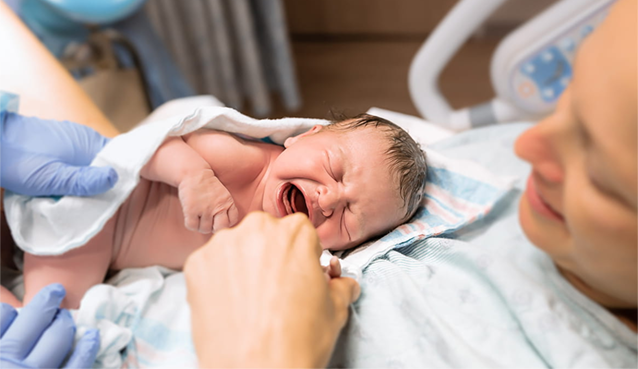
In general, vaginal birth is considered the safer and more natural option for delivering a baby, as it allows the mother’s body to go through the normal physiological process of labor and delivery. Vaginal birth also carries less risk of complications, such as infection, bleeding, and blood clots. Recovery time is typically faster after a vaginal birth, and the baby is less likely to experience breathing problems and other complications.
However, in some cases, a C-section may be necessary or recommended for the health and well-being of the mother or baby. For example, if the baby is in a breech position, if the mother has certain medical conditions, or if there are complications during labor, a C-section may be necessary to ensure a safe delivery. In these cases, a C-section can be life-saving for both the mother and the baby.
Ultimately, the decision of whether to have a C-section or vaginal birth should be made in consultation with a healthcare provider, who can provide personalized guidance based on the individual circumstances of the mother and baby.
