
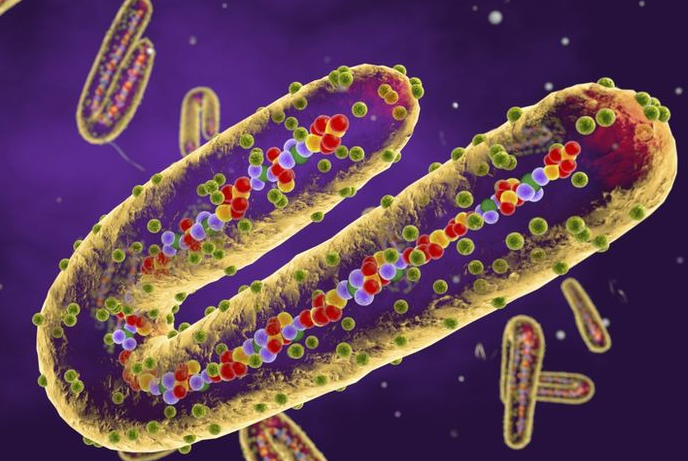
Is Marburg the same as Ebola?
Marburg virus disease and Ebola virus disease are two separate and distinct viral illnesses, although they share some similarities.
Both Marburg and Ebola viruses are members of the Filoviridae family and can cause severe hemorrhagic fever in humans and other primates. They are both characterized by fever, muscle aches, vomiting, and bleeding, and can lead to death in some cases.
However, there are some important differences between the two viruses. Marburg virus disease is caused by the Marburg virus, while Ebola virus disease is caused by the Ebola virus. Marburg virus disease was first identified in 1967 in Marburg, Germany, while Ebola virus disease was first identified in 1976 in Sudan and the Democratic Republic of Congo.
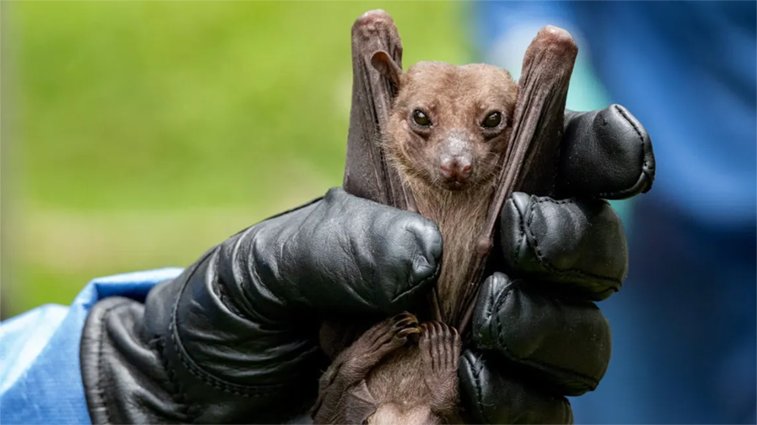
There are also some differences in the way the viruses are transmitted. Marburg virus is believed to be transmitted to humans through contact with infected animals, particularly fruit bats, or through contact with infected human bodily fluids. Ebola virus is also transmitted through contact with infected animals, particularly fruit bats and primates, and through contact with infected human bodily fluids.
In summary, while Marburg virus disease and Ebola virus disease share some similarities, they are caused by different viruses and have some differences in transmission and other clinical features.
Is Marburg more contagious than Ebola?
There is no clear evidence to suggest that Marburg virus disease is more contagious than Ebola virus disease. Both viruses are highly infectious and can spread through contact with bodily fluids of infected people, as well as through contact with infected animals, such as bats or nonhuman primates.

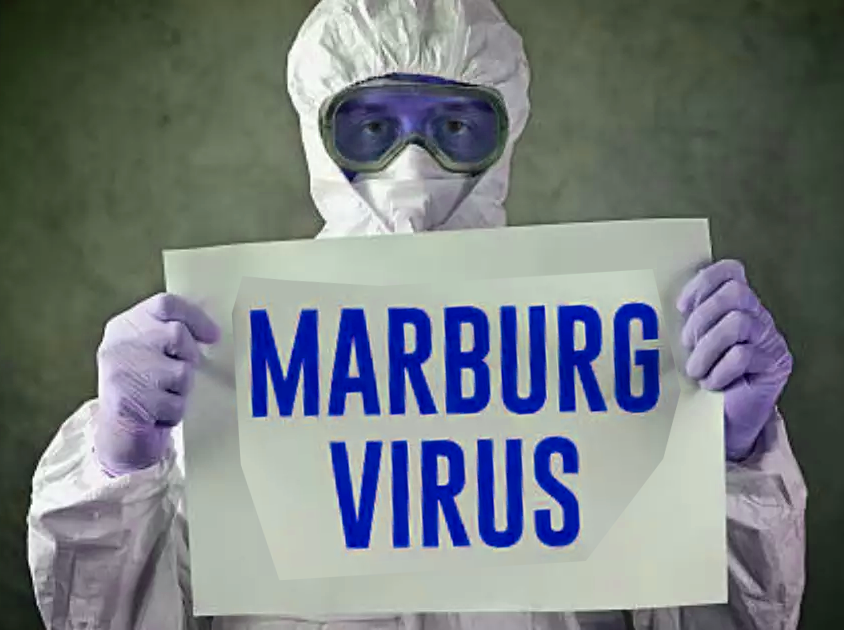
The risk of transmission of both viruses can be reduced by taking appropriate precautions, such as wearing personal protective equipment, practicing good hygiene, and isolating infected individuals. Healthcare workers and others who are in close contact with infected patients are at the highest risk of contracting the virus.
It’s worth noting that the transmission dynamics of viral diseases, including Marburg and Ebola, can vary depending on many factors, including the strain of the virus, the population affected, and the environmental and social conditions in which transmission occurs. Therefore, it’s important to closely monitor the situation during outbreaks of these diseases and to follow the latest guidance from health authorities to reduce the risk of transmission.
Is there a vaccine for the Marburg virus?
Currently, there is no licensed vaccine for the Marburg virus available for public use. However, several vaccine candidates are under development and are being tested in preclinical and clinical trials.
One promising vaccine candidate is a vesicular stomatitis virus (VSV)-based vaccine expressing the surface glycoprotein of the Marburg virus. This vaccine has shown promising results in preclinical studies and has been evaluated in Phase 1 clinical trials, which have demonstrated safety and immunogenicity in healthy volunteers.
Another vaccine candidate is a virus-like particle (VLP)-based vaccine that presents the surface glycoprotein of the Marburg virus to the immune system. This vaccine has also shown promising results in preclinical studies.
While these vaccine candidates show promise, they are still in the early stages of development and further testing and evaluation are needed to determine their safety and efficacy. It will likely be several years before a licensed vaccine for Marburg virus is available for public use.
does marburg virus still exist?
Yes, the Marburg virus still exists and sporadic outbreaks of Marburg virus disease continue to occur in parts of Africa. Since the first recorded outbreak in 1967, there have been several documented outbreaks of Marburg virus disease in different parts of Africa, including Uganda, Angola, Kenya, and the Democratic Republic of Congo. The most recent outbreak occurred in Guinea in 2021, which marked the first time the virus was detected in West Africa.
The virus is considered to be endemic in parts of Africa where it is believed to be harbored by fruit bats. Although it is rare, sporadic outbreaks of Marburg virus disease can occur when humans come into contact with infected animals or their bodily fluids, or when there is person-to-person transmission among people who are in close contact with each other.
There is currently no specific treatment or licensed vaccine for Marburg virus disease, and management of the disease typically involves supportive care, including treating symptoms and complications as they arise. Control of outbreaks involves a combination of measures, including early detection and isolation of cases, contact tracing, and implementation of appropriate infection control measures to prevent transmission.
Can you survive Marburg virus?

Marburg virus disease is a severe and often fatal illness, but it is possible to survive the disease with appropriate medical care. However, the overall fatality rate of Marburg virus disease is relatively high, ranging from 24% to 90%, depending on the outbreak and the population affected.
The course of the disease can vary, and not all cases of Marburg virus disease are severe. The disease usually begins with symptoms such as fever, muscle aches, and gastrointestinal symptoms, and can progress to more severe symptoms such as bleeding, shock, and organ failure. Severe cases of the disease can progress rapidly and can be difficult to treat.
There is currently no specific treatment or licensed vaccine for Marburg virus disease. However, supportive care, including treatment of symptoms and complications as they arise, can help improve the chances of survival. This can include management of fluid and electrolyte balance, oxygenation, and blood pressure, as well as treatment of secondary infections.
It is important to note that early detection, isolation of infected individuals, and appropriate infection control measures are essential for controlling outbreaks of Marburg virus disease and reducing the risk of transmission to others.