

Indoor plants have become increasingly popular in recent years, with people decorating their homes and offices with lush greenery. However, it’s important to be aware of the potential dangers of having certain types of indoor plants, particularly those that are poisonous.
There are 14 poisonous houseplants that you should be aware of. These include the following:
1- Aloe Vera: Can cause skin irritation and gastrointestinal problems if ingested.

2- Dieffenbachia: Can cause oral irritation, swelling, and difficulty breathing if ingested.
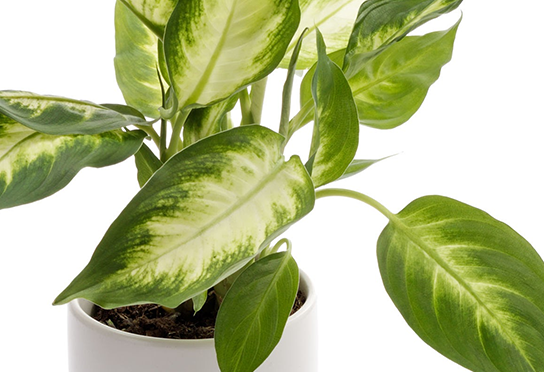
3- English Ivy: Can cause skin irritation, respiratory problems, and vomiting if ingested.

4- Philodendron: Can cause oral irritation, swelling, and digestive problems if ingested.

5- Pothos: Can cause oral irritation, swelling, and digestive problems if ingested.
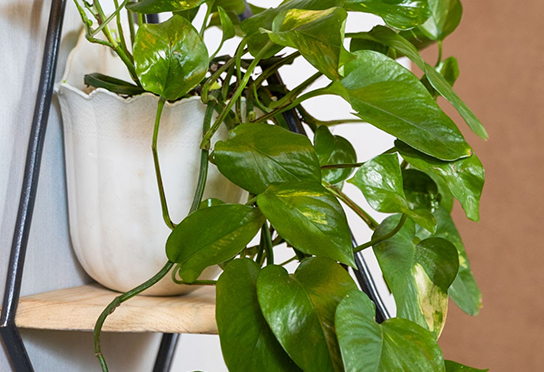
6- Sago Palm: Can cause liver failure and even death if ingested.
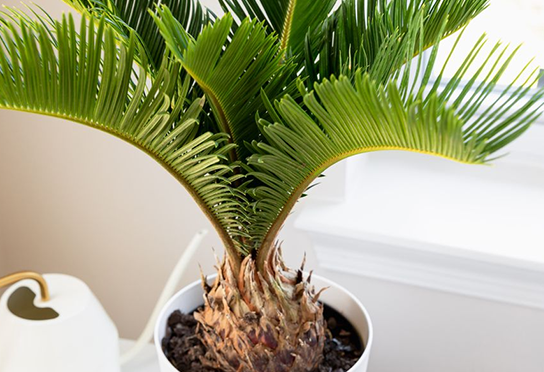
7- Snake Plant: Can cause skin irritation and digestive problems if ingested.

8- ZZ Plant: Can cause skin irritation and digestive problems if ingested.
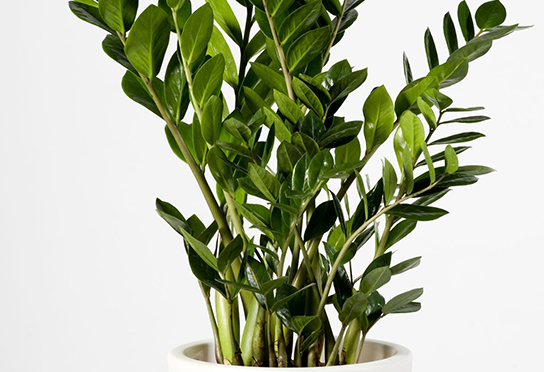
9- Caladium: Can cause oral irritation, swelling, and digestive problems if ingested.
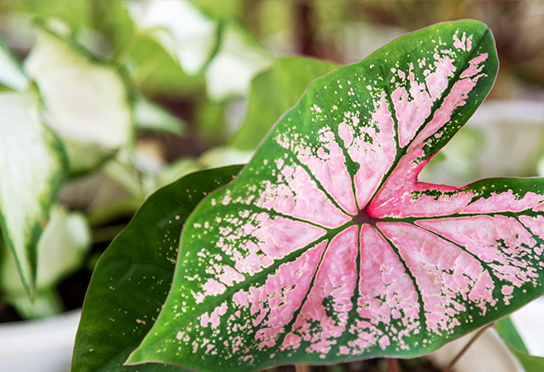
10- Cyclamen: Can cause gastrointestinal problems and even heart failure if ingested.

11- Daffodil: Can cause skin irritation and gastrointestinal problems if ingested.

12- Hyacinth: Can cause skin irritation and digestive problems if ingested.

13- Narcissus: Can cause skin irritation and gastrointestinal problems if ingested.
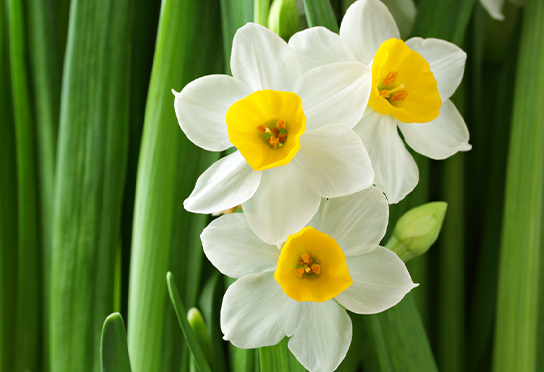
14- Oleander: Can cause heart problems and even death if ingested.

Data on the number of cases of poisoning caused by houseplants each year
According to the American Association of Poison Control Centers (AAPCC), there were approximately 23,000 reported cases of plant-related exposures in 2019 in the United States alone. However, this number includes all types of plants, not just houseplants.
The AAPCC also reports that children under the age of six are at the highest risk for exposure to poisonous houseplants. In fact, in 2019, more than 12,000 plant-related exposures involved children in this age group.
Symptoms of plant poisoning can range from mild, such as skin irritation and upset stomach, to severe, such as difficulty breathing and even death. If you suspect that you or someone you know has been exposed to a poisonous plant, it’s important to seek medical attention immediately.
It’s worth noting that not all houseplants are poisonous, and many are actually beneficial for indoor air quality and overall health. However, it’s important to do your research and make sure you choose plants that are safe for you and your family.
10 houseplants that are not poisonous
If you’re looking for indoor plants that are safe and non-toxic, there are plenty of options to choose from. Here are 10 houseplants that are not poisonous and can add beauty and health benefits to your home:
1-Spider Plant: Easy to care for and known for its air-purifying abilities.

2-African Violet: A classic houseplant that can help improve air quality and add a pop of green to your space.

3-African Violet: A beautiful flowering plant that is easy to care for and non-toxic.
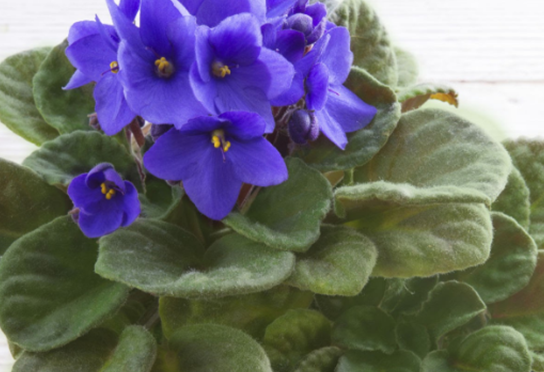
4-Peperomia: A tall plant that can help purify the air and add a tropical feel to your home.

5-Peperomia: A small, low-maintenance plant with colorful foliage.
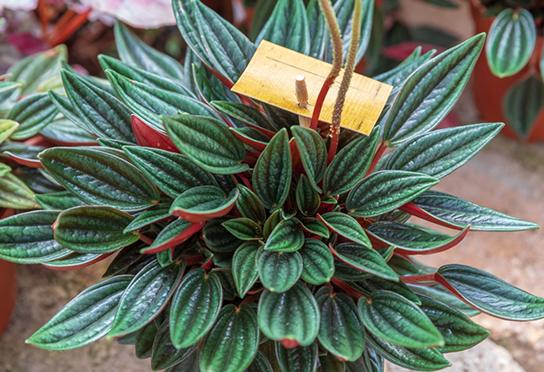
6-Prayer Plant: A unique plant with leaves that fold up at night, perfect for adding some interest to your space.

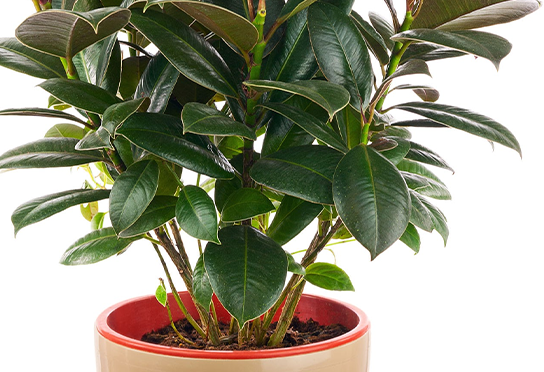
7-Rubber Plant: A sturdy and easy-to-care-for plant with large, glossy leaves.
8-String of Pearls: A trailing plant with small, bead-like leaves that adds a unique touch to any room.

9-Christmas Cactus: A festive plant that blooms around the holidays and is non-toxic to pets.

10-Ponytail Palm: A unique plant with a bulbous trunk and long, thin leaves that can add some character to your space.

By choosing non-toxic houseplants, you can enjoy the benefits of indoor greenery without having to worry about potential health risks. Remember to always research any plant before bringing it into your home to ensure it is safe for you and your family.