

What are 6 cancer early warning signs of Vaginal cancer?
Vaginal cancer is a rare type of cancer that starts in the cells of the vagina. Like all cancers, early detection is important for successful treatment. However, vaginal cancer can be difficult to detect early because it may not cause any symptoms in its early stages. That’s why it’s important for women to have regular gynecological check-ups and Pap tests.
Here are some of the early warning signs of vaginal cancer that you should be aware of:
- Abnormal vaginal bleeding: This is the most common symptom of vaginal cancer. You may experience bleeding after sex, between periods, or after menopause.
- Vaginal discharge: You may notice a change in the color, consistency, or smell of your vaginal discharge.
- Pain during sex: You may experience pain or discomfort during sex.
- Pelvic pain: You may experience pain or discomfort in your pelvic area that is not related to your menstrual cycle.
- Changes in bowel or bladder habits: You may experience changes in your bowel or bladder habits, such as constipation, diarrhea, or urinary incontinence.
- A lump or mass: You may feel a lump or mass in your vagina or on your vulva.
If you experience any of these symptoms, it’s important to see your healthcare provider as soon as possible.
What is the main cause of Vaginal cancer?
The exact cause of vaginal cancer is not known, but there are certain risk factors that may increase a woman’s chances of developing the disease. Here are some of the main risk factors for vaginal cancer:
- Age: Vaginal cancer is most common in women over the age of 60.
- HPV infection: Human papillomavirus (HPV) is a sexually transmitted infection that can increase the risk of developing vaginal cancer. HPV is also a major cause of cervical cancer.
- Smoking: Women who smoke have a higher risk of developing vaginal cancer than non-smokers.
- History of cervical cancer: Women who have had cervical cancer have an increased risk of developing vaginal cancer.
- DES exposure: Women who were exposed to the drug diethylstilbestrol (DES) in the womb have an increased risk of developing vaginal cancer.
- Immunosuppression: Women with weakened immune systems, such as those who have had an organ transplant or who have HIV/AIDS, have an increased risk of developing vaginal cancer.
It’s important to note that having one or more of these risk factors does not necessarily mean that you will develop vaginal cancer.
Is Vaginal cancer cancer more common than cervical cancer?
No, vaginal cancer is less common than cervical cancer. While both types of cancer affect the female reproductive system, cervical cancer is more common and affects about 13,800 women in the United States each year, while vaginal cancer affects about 2,000 women each year. The Pap test is a highly effective screening tool for cervical cancer, which has contributed to a significant decrease in the incidence of this type of cancer. However, there is no effective screening test for vaginal cancer, which may make it more difficult to detect early.
What are 4 the stages of Vaginal Cancer?
The stages of vaginal cancer describe the size and extent of the tumor and how far it has spread beyond the vagina. The stages of vaginal cancer are as follows:
Stage 0: Also known as carcinoma in situ, this is the earliest stage of vaginal cancer. The cancer is located only in the surface layer of the vaginal tissue.
Stage I: At this stage, the cancer is confined to the vagina and has not spread to the surrounding tissues or lymph nodes.
Stage II: The cancer has spread beyond the vagina to nearby tissues, such as the bladder or rectum, but has not yet reached the lymph nodes.
Stage III: The cancer has spread to the pelvic wall or to the lymph nodes in the pelvis.
Stage IV: The cancer has spread to distant organs, such as the lungs or liver, or to the lymph nodes outside the pelvis.
Knowing the stage of vaginal cancer is important because it helps doctors determine the best treatment plan for the individual patient.
Vaginal cancer Treatment
The most common treatments for fallopian tube cancer include:
- Surgery: Surgery is the primary treatment for fallopian tube cancer. It involves removing as much of the cancer as possible through surgery, which may include removing one or both fallopian tubes and ovaries, and the uterus. In some cases, nearby lymph nodes and other tissues may also be removed. The goal of surgery is to remove all visible cancer and stage the cancer for further treatment.
- Chemotherapy: Chemotherapy is a treatment that uses drugs to kill cancer cells throughout the body. Chemotherapy may be used before or after surgery to shrink the tumor, destroy remaining cancer cells, or prevent the cancer from returning. Chemotherapy is usually given in cycles, with a period of treatment followed by a period of rest.
- Radiation therapy: Radiation therapy is a treatment that uses high-energy radiation to kill cancer cells. Radiation therapy may be used in rare cases of advanced fallopian tube cancer to relieve symptoms such as pain or to shrink tumors.
Can Vaginal cancer be prevented?
Here are some strategies that may help:
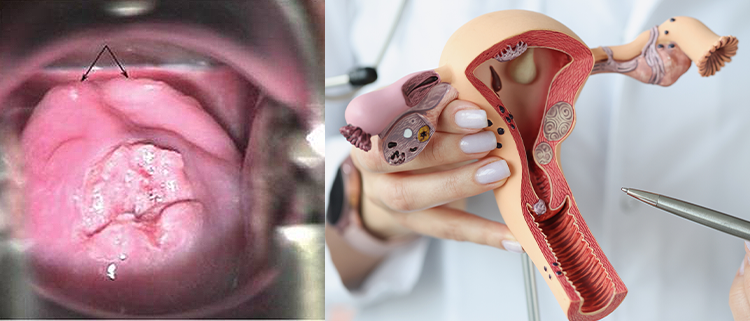
- Get vaccinated against HPV: The HPV vaccine can protect against the strains of the virus that are most likely to cause cervical and vaginal cancers.
- Practice safe sex: Using condoms and limiting your number of sexual partners can reduce your risk of getting HPV and other sexually transmitted infections that may increase your risk of developing vaginal cancer.
- Don’t smoke: Smoking is a known risk factor for vaginal cancer, so quitting smoking or never starting in the first place can help reduce your risk.
- Get regular check-ups: Regular gynecological exams and Pap tests can help detect vaginal cancer early, when it’s most treatable.
- Practice good genital hygiene: Keeping your genital area clean and dry can help prevent infections that may increase your risk of developing vaginal cancer.
- Consider your reproductive history: Women who have had cervical cancer, as well as those who were exposed to the drug DES in utero, may have an increased risk of developing vaginal cancer. It’s important to discuss your reproductive history with your healthcare provider.
What is life expectancy after cancer treatment?

Life expectancy after cancer treatment can vary depending on several factors, including the type and stage of cancer, the individual’s overall health, the treatment options chosen, and other factors such as age, lifestyle, and genetics.
Many people with cancer are able to receive successful treatment and live for many years after their diagnosis. Some may even be cured of their cancer and have a normal life expectancy. However, for others, the cancer may recur, or there may be long-term side effects of treatment that can affect their health and quality of life.
It’s important to note that cancer treatment can be very effective, and survival rates for many types of cancer have improved over the years.
Your sex life after vaginal cancer
Vaginal cancer and its treatment can have a significant impact on a woman’s sex life. Depending on the type and stage of cancer, the treatment options chosen, and other factors such as the woman’s age and overall health, sexual function may be affected in different ways.
Here are some of the potential ways that vaginal cancer and its treatment may affect a woman’s sex life:
- Pain during intercourse: Radiation therapy and surgery can cause scarring and changes in the vaginal tissues, which may make intercourse painful or uncomfortable.
- Vaginal dryness: Radiation therapy and surgery can damage the glands that produce vaginal lubrication, leading to vaginal dryness and discomfort during intercourse.
- Changes in sexual desire: Treatment for vaginal cancer may cause changes in hormone levels and physical functioning, which can affect a woman’s sexual desire or arousal.
- Body image concerns: Surgery or radiation therapy may result in changes to the appearance of the vulva or vagina, which can impact a woman’s self-esteem and body image.
- Psychological distress: The experience of being diagnosed with and treated for cancer can be stressful and emotionally challenging, which can affect a woman’s sexual well-being.
You Sex life After successful treatment

After successful treatment for vaginal cancer, many women are able to resume a satisfying sex life. However, it’s important to note that the experience of cancer and its treatment can have a lasting impact on a woman’s sexual health and well-being. Here are some factors that may impact a woman’s sex life after vaginal cancer:
- Physical changes: Depending on the type and extent of treatment, a woman may experience physical changes to the vulva or vagina, such as scarring or narrowing of the vaginal opening. These changes may make intercourse uncomfortable or difficult.
- Vaginal dryness: Radiation therapy and surgery can cause a decrease in the natural lubrication produced by the vagina, which may make intercourse uncomfortable or painful.
- Changes in libido: Some women may experience a decrease in sexual desire or arousal after cancer treatment, which may be related to hormonal changes or psychological factors.
- Emotional concerns: The experience of being diagnosed with and treated for cancer can be emotionally challenging, and may impact a woman’s self-esteem, body image, or overall emotional well-being.
- Relationship issues: Cancer treatment can impact a woman’s relationship with her partner, and may cause stress or tension related to sex and intimacy.
Pain medication for Vaginal cancer
Here are some common pain medications that may be used:
- Nonsteroidal anti-inflammatory drugs (NSAIDs): NSAIDs such as ibuprofen or naproxen can help reduce pain and inflammation. These medications are available over-the-counter or by prescription.
- Opioids: Opioids such as morphine or oxycodone are strong pain relievers that are available by prescription. They may be used for severe pain, but are typically reserved for short-term use due to the risk of dependence and other side effects.
- Topical analgesics: Topical analgesics such as lidocaine cream or gel can be applied directly to the skin to help relieve pain in the vulva or vaginal area.
- Adjuvant medications: Adjuvant medications such as antidepressants or anticonvulsants may be used to help manage chronic pain associated with cancer.