

The 5 Major Classes of Antidepressants
Antidepressant drugs are a class of medications used to treat depression, anxiety disorders, and other mental health conditions. They work by affecting the levels of certain neurotransmitters, such as serotonin and norepinephrine, in the brain.
There are several types of antidepressant drugs, including:
- Selective serotonin reuptake inhibitors (SSRIs): These medications increase the availability of serotonin in the brain, which can improve mood and reduce anxiety. Examples include fluoxetine (Prozac), sertraline (Zoloft), and escitalopram (Lexapro).
- Serotonin-norepinephrine reuptake inhibitors (SNRIs): These medications increase the availability of both serotonin and norepinephrine in the brain, which can improve mood and reduce anxiety. Examples include venlafaxine (Effexor) and duloxetine (Cymbalta).
- Tricyclic antidepressants (TCAs): These medications are older antidepressants that work by affecting the levels of serotonin and norepinephrine in the brain. Examples include amitriptyline (Elavil) and imipramine (Tofranil).
- Monoamine oxidase inhibitors (MAOIs): These medications increase the levels of several neurotransmitters in the brain, including serotonin, norepinephrine, and dopamine. They are generally used less frequently than other types of antidepressants due to potential side effects and drug interactions. Examples include phenelzine (Nardil) and tranylcypromine (Parnate).
- Atypical antidepressants: These medications don’t fit neatly into any of the above categories and can work in different ways to affect neurotransmitter levels. Examples include bupropion (Wellbutrin), mirtazapine (Remeron), and trazodone (Oleptro).

It’s important to note that antidepressant medications can have side effects and may not be effective for everyone.
What are the main side effects of antidepressants?
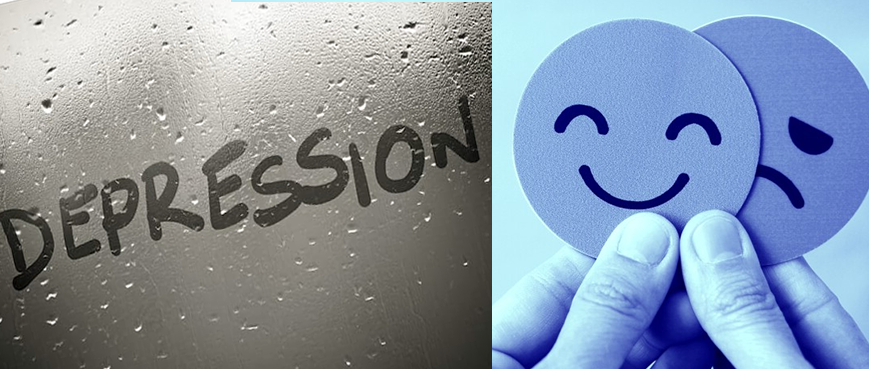
The specific side effects depend on the type of antidepressant and the individual’s response to the medication, but some of the most common side effects of antidepressants include:
- Gastrointestinal symptoms: nausea, vomiting, diarrhea, or constipation.
- Sexual side effects: decreased libido, difficulty achieving orgasm, and erectile dysfunction.
- Insomnia or drowsiness: Antidepressants can interfere with sleep, making it difficult to fall asleep or stay asleep.
- Weight gain or loss: some antidepressants can cause weight gain, while others can cause weight loss.
- Dry mouth and other mucous membrane dryness: Antidepressants can cause dryness in the mouth, eyes, and other mucous membranes.
- Headache and dizziness: Antidepressants can cause headaches and dizziness, especially during the first few weeks of treatment.
- Agitation or restlessness: Some people experience agitation or restlessness while taking antidepressants, especially in the early stages of treatment.
- Suicidal thoughts or behavior: In rare cases, antidepressants can increase the risk of suicidal thoughts or behavior, especially in children and young adults.
What plants are antidepressants?

There are several plants that have been found to have antidepressant properties, including:
- St. John’s Wort: St. John’s Wort is a common herbal supplement used to treat mild to moderate depression. It is thought to work by increasing levels of serotonin, norepinephrine, and dopamine in the brain.
- Saffron: Saffron is a spice that has been used for centuries to treat depression. Studies have found that saffron can be as effective as some antidepressant medications in treating mild to moderate depression.
- Lavender: Lavender is a fragrant herb that has been found to have calming and relaxing effects. It can be used to reduce symptoms of anxiety and depression.
- Chamomile: Chamomile is a gentle herb that has been used for centuries to promote relaxation and reduce anxiety. It can be used to help relieve symptoms of mild to moderate depression.
- Rhodiola Rosea: Rhodiola Rosea is a plant that grows in cold regions of the world. It has been found to have antidepressant and anti-anxiety effects.
Are antidepressants long-term or short term?
Antidepressants can be used both in the short-term and long-term treatment of depression and other mental health conditions.
In the short-term, antidepressants can help to alleviate symptoms of depression, anxiety, and other mental health conditions within a few weeks of starting the medication. The duration of short-term use can vary, but it generally involves taking the medication for several months, up to a year or more.
Long-term use of antidepressants may be necessary for individuals with chronic or recurrent depression or other mental health conditions. In some cases, long-term use may be required to prevent a relapse or recurrence of symptoms. The duration of long-term use can vary depending on the individual’s response to the medication and the nature of the mental health condition.
It’s important to work with a qualified healthcare professional to determine the most appropriate duration of treatment with antidepressants. In some cases, psychotherapy and lifestyle changes may also be recommended as part of an overall treatment plan. Regular follow-up appointments with a healthcare provider can help to monitor for any potential side effects and adjust the treatment plan as needed.
What drugs can I take with antidepressants?

In general, some types of medications that may be safe to take with antidepressants include:
- Antipsychotic medications: These drugs may be prescribed in combination with antidepressants to treat severe depression or bipolar disorder.
- Anti-anxiety medications: Some anti-anxiety medications, such as benzodiazepines, may be prescribed in combination with antidepressants to treat anxiety disorders.
- Stimulants: Stimulant medications, such as those used to treat attention-deficit/hyperactivity disorder (ADHD), may be prescribed in combination with antidepressants to treat depression with co-occurring ADHD.
- Pain relievers: Some pain relievers, such as nonsteroidal anti-inflammatory drugs (NSAIDs), may be safe to take with antidepressants, but caution should be taken as they can increase the risk of gastrointestinal bleeding.
Can I take antidepressants during pregnancy?
- It is generally not recommended for use during pregnancy, especially during the first trimester.
- Tricyclic antidepressants (TCAs): TCAs, such as amitriptyline (Elavil) and nortriptyline (Pamelor), have been associated with an increased risk of preterm birth and low birth weight. They may also cause withdrawal symptoms in newborns. TCAs are generally not recommended for use during pregnancy unless the benefits outweigh the risks.
- Monoamine oxidase inhibitors (MAOIs): MAOIs, such as phenelzine (Nardil) and tranylcypromine (Parnate), are rarely used to treat depression due to their potential side effects and interactions with other medications. They are generally not recommended for use during pregnancy due to the potential risk of fetal harm.
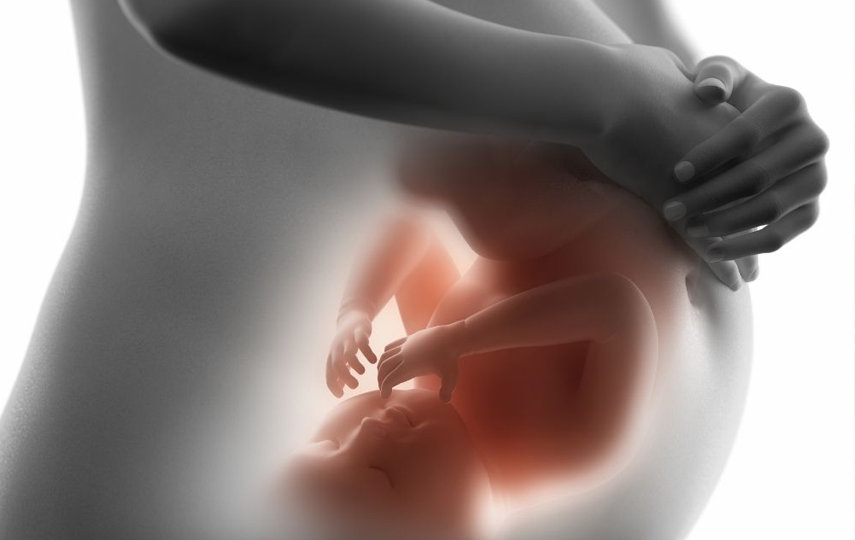
Antidepressants: Safe during pregnancy?
Some antidepressants that may be considered safe to use during pregnancy include:
- Selective serotonin reuptake inhibitors (SSRIs): SSRIs, such as fluoxetine (Prozac), sertraline (Zoloft), and citalopram (Celexa), are commonly used to treat depression and anxiety. They are generally considered safe to use during pregnancy, but the risks and benefits should be evaluated on a case-by-case basis.
- Serotonin-norepinephrine reuptake inhibitors (SNRIs): SNRIs, such as venlafaxine (Effexor) and duloxetine (Cymbalta), are also commonly used to treat depression and anxiety. Like SSRIs, they are generally considered safe to use during pregnancy, but the risks and benefits should be evaluated on a case-by-case basis.
- Bupropion (Wellbutrin): Bupropion is an antidepressant that is also used to treat smoking cessation. It may be considered for use during pregnancy, but the risks and benefits should be evaluated on a case-by-case basis.