

Symptoms of oral thrush
Oral thrush is a fungal infection of the mouth that can cause a variety of uncomfortable symptoms. Some common details of these symptoms include:
- White patches: Oral thrush often presents as creamy, white patches on the tongue, inner cheeks, or throat. These patches may resemble cottage cheese and can be difficult to scrape off.
- Discomfort or pain: Oral thrush can cause pain or discomfort when eating, drinking, or swallowing. The affected areas may also feel sore or tender.
- Loss of taste: The presence of oral thrush can affect a person’s sense of taste, making it difficult to enjoy food or drink.
- Redness or soreness: In addition to the white patches, oral thrush can cause redness or soreness in the mouth. This can make it painful to eat or talk.
- Cracking or scaling: Some people with oral thrush may experience cracking or scaling at the corners of their mouth. This is known as angular cheilitis and can be caused by a combination of the fungal infection and moisture from saliva.
What are some causes of oral thrush?
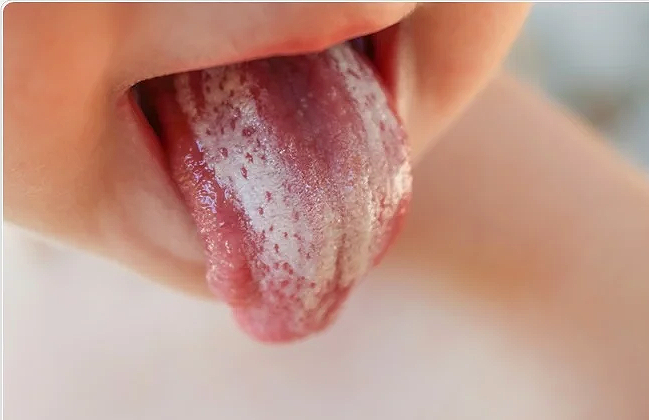
Oral thrush is caused by an overgrowth of the Candida fungus, which is a type of yeast that is commonly found in the mouth. Normally, the body’s immune system and other types of bacteria in the mouth keep the levels of Candida in check. However, certain factors can disrupt this balance and allow Candida to grow uncontrollably, leading to oral thrush. Some common details of the causes of oral thrush include:
- Weakened immune system: Certain medical conditions or treatments can weaken the immune system, making it easier for Candida to overgrow. For example, people with HIV/AIDS, cancer, or those taking immunosuppressive medications after organ transplantation may be more prone to oral thrush.
- Medications: Antibiotics, corticosteroids, and other medications can disrupt the balance of bacteria in the mouth and create an environment that is favorable for Candida growth.
- Medical conditions: Conditions such as diabetes, dry mouth, and autoimmune disorders can also increase the risk of developing oral thrush.
- Poor oral hygiene: Not practicing good oral hygiene habits can allow bacteria and fungi to build up in the mouth and increase the risk of developing oral thrush.
- Smoking or use of tobacco products: Smoking and other tobacco use can weaken the immune system and irritate the mouth, creating conditions that are favorable for Candida overgrowth.
In some cases, oral thrush can also be passed from person to person through close contact, such as kissing or breastfeeding. Overall, the causes of oral thrush are often related to factors that disrupt the natural balance of bacteria and fungi in the mouth, allowing Candida to grow uncontrollably.
Diagnosis of oral thrush

The diagnosis of oral thrush typically involves a physical exam and may include other tests. Some common details of the diagnosis process for oral thrush include:
- Physical exam: A doctor or dentist will examine the inside of the mouth for signs of white patches, redness, or other symptoms of oral thrush. They may also ask about the person’s medical history and any medications they are currently taking.
- Swab test: If the doctor suspects oral thrush, they may take a swab of the affected area to test for the presence of Candida. This involves using a cotton swab to collect a sample of the white patches and then sending it to a lab for analysis.
- Blood tests: In some cases, blood tests may be ordered to check for underlying medical conditions that could be contributing to oral thrush, such as diabetes or a weakened immune system.
- Imaging tests: If the thrush is severe or does not respond to treatment, imaging tests such as X-rays or CT scans may be used to check for any underlying issues.
Treatment of oral thrush infection – Antifungal medications
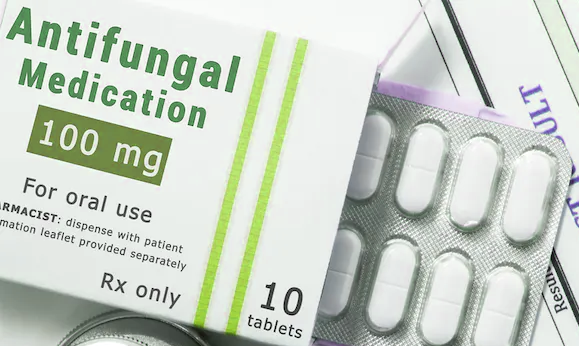
The treatment of oral thrush depends on the severity of the infection and any underlying medical conditions. Some common treatments for oral thrush include:
- Antifungal medications: Antifungal medications such as nystatin or fluconazole are often prescribed to treat oral thrush. These medications come in a variety of forms, including mouthwashes, lozenges, and tablets. They work by killing the Candida fungus or preventing it from growing.
- Good oral hygiene: Practicing good oral hygiene habits such as brushing twice a day, flossing daily, and rinsing with salt water can help reduce the severity of oral thrush and prevent it from recurring.
- Treating any underlying medical conditions: If oral thrush is caused by an underlying medical condition such as diabetes or a weakened immune system, treating that condition can help reduce the risk of developing oral thrush.
- Lifestyle changes: Making lifestyle changes such as quitting smoking or reducing alcohol consumption can help prevent oral thrush.
- Treating thrush in other areas of the body: If oral thrush is part of a more widespread infection, such as thrush in the esophagus, additional medications or treatments may be needed.
Traditional medicine – What herbs help with oral thrush?
In traditional medicine, several herbs have been used to treat oral thrush, although there is limited scientific evidence to support their use. Some of these herbs include:
- Tea tree oil: Tea tree oil has antifungal properties and may help reduce the growth of Candida, the fungus that causes oral thrush. However, it should be used with caution and diluted properly, as it can cause irritation and allergic reactions.
- Coconut oil: Coconut oil contains lauric acid, which has antifungal properties and may help reduce the growth of Candida. It can be applied topically to the affected area or used as a mouthwash.
- Pau d’arco: Pau d’arco is a South American herb that has antifungal properties and may help reduce the growth of Candida. It can be taken as a tea or in capsule form.
- Calendula: Calendula is an herb that has anti-inflammatory and antifungal properties and may help reduce the symptoms of oral thrush. It can be applied topically to the affected area or used as a mouthwash.
- Goldenseal: Goldenseal is an herb that has antimicrobial and antifungal properties and may help reduce the growth of Candida. It can be taken as a supplement or used as a mouthwash.
Can oral thrush be prevented?
Oral thrush can be prevented by taking certain steps to reduce the risk of developing the condition. Some common ways to prevent oral thrush include:
- Practicing good oral hygiene: Brushing your teeth twice a day, flossing daily, and rinsing your mouth with saltwater or an antifungal mouthwash can help reduce the risk of developing oral thrush.
- Limiting sugar intake: Candida thrives on sugar, so limiting your intake of sugary foods and beverages can help reduce the risk of developing oral thrush.
- Quitting smoking: Smoking can weaken the immune system and irritate the mouth, creating conditions that are favorable for Candida overgrowth.
- Treating underlying medical conditions: Treating underlying medical conditions such as diabetes or a weakened immune system can help reduce the risk of developing oral thrush.
- Avoiding unnecessary use of antibiotics: Antibiotics can disrupt the balance of bacteria in the mouth and increase the risk of developing oral thrush. Therefore, it’s important to only take antibiotics when necessary and as prescribed by a doctor.
- Managing stress: Chronic stress can weaken the immune system and increase the risk of developing oral thrush, so it’s important to manage stress through techniques such as meditation, exercise, or counseling.