

What are 7 cancer early warning signs of Lymphoma?
Lymphoma is a type of cancer that affects the lymphatic system, which is a part of the immune system that helps to fight off infections and diseases. There are two main types of lymphoma: Hodgkin’s lymphoma and non-Hodgkin’s lymphoma. Some early warning signs of lymphoma cancer include:
- Swollen lymph nodes: The most common early symptom of lymphoma is the swelling of lymph nodes, especially in the neck, armpit, or groin. These lymph nodes may be painless, rubbery, and continue to grow over time.
- Unexplained weight loss: Sudden and unexplained weight loss of more than 10% of body weight over a period of 6 months can be a sign of lymphoma.
- Fatigue: Feeling constantly tired or exhausted despite adequate rest and sleep can be a symptom of lymphoma.
- Night sweats: Experiencing drenching night sweats that soak through clothes and sheets can be a sign of lymphoma.
- Fever: Having an unexplained fever that persists for several days or weeks, without any other symptoms of infection, can be a warning sign of lymphoma.
- Itchy skin: Pruritus or itchy skin without a known cause can be a symptom of lymphoma.
- Chest pain or cough: In some cases of lymphoma, the cancer can spread to the chest, leading to symptoms such as chest pain, shortness of breath, or cough.

It is important to note that these symptoms can be caused by other conditions as well, and having one or more of these symptoms does not necessarily mean that a person has lymphoma.
What is the main cause of Lymphoma?
The exact cause of lymphoma is not fully understood, but it is believed to be a result of genetic mutations in the DNA of lymphocytes, which are a type of white blood cell that helps the body fight infections. The mutations can cause the lymphocytes to grow and multiply uncontrollably, leading to the formation of a tumor.

Some risk factors that may increase the likelihood of developing lymphoma include:
- Weakened immune system: People with weakened immune systems, such as those with HIV/AIDS, organ transplant recipients, or people taking immunosuppressive drugs, are at higher risk of developing lymphoma.
- Age: Lymphoma can occur at any age, but the risk increases with age, especially after the age of 60.
- Family history: Having a close relative with lymphoma increases the risk of developing the disease.
- Infection: Certain infections, such as the Epstein-Barr virus (EBV), hepatitis C virus (HCV), human T-cell leukemia virus type 1 (HTLV-1), and Helicobacter pylori (H. pylori) bacteria, have been linked to an increased risk of lymphoma.
- Exposure to certain chemicals: Exposure to certain chemicals, such as pesticides, herbicides, and solvents, may increase the risk of developing lymphoma.
What are the 4 stages of Lymphoma ?

The stages of lymphoma are typically determined using the Ann Arbor staging system, which is based on the location and spread of the cancerous cells.
The stages of lymphoma are as follows:
- Stage I: The cancer is located in a single lymph node region or a single organ or tissue outside the lymph nodes.
- Stage II: The cancer is located in two or more lymph node regions on the same side of the diaphragm or in one organ and its regional lymph nodes.
- Stage III: The cancer is located in lymph node regions on both sides of the diaphragm or in one or more lymph node regions and a contiguous (adjacent) organ.
- Stage IV: The cancer has spread to one or more organs outside of the lymphatic system or to the bone marrow.
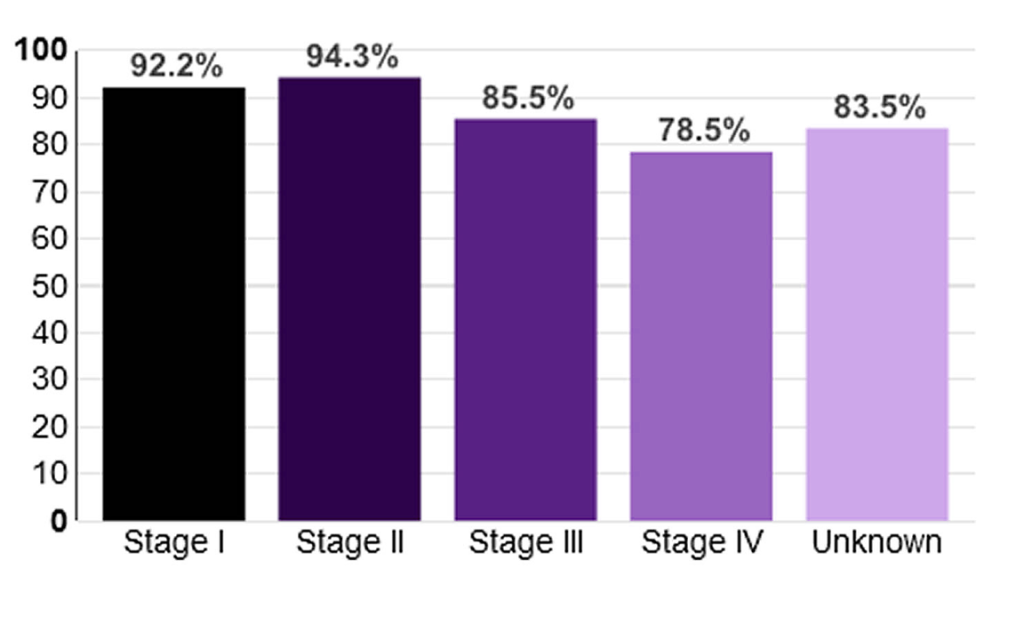
Each stage may be further classified as « A » or « B, » depending on the presence or absence of certain symptoms, such as fever, night sweats, or weight loss. The letter « E » may also be added to indicate the involvement of a single extranodal site outside of the lymph nodes.
It’s important to note that the staging of lymphoma can vary depending on the type and subtype of the disease, as well as the individual patient’s specific circumstances.
Lymphoma (Cancer of the Lymphatic System) Treatment
The main types of treatment for lymphoma cancer include:
- Chemotherapy: This treatment uses drugs to kill cancer cells throughout the body. Chemotherapy is usually given intravenously, but can also be given orally or through injections. Chemotherapy can cause side effects such as hair loss, nausea, vomiting, and increased risk of infection.
- Radiation therapy: This treatment uses high-energy X-rays or other types of radiation to kill cancer cells. Radiation therapy is usually given externally, from outside the body, but can also be given internally, by placing radioactive material inside the body near the cancer. Radiation therapy can cause side effects such as fatigue, skin irritation, and digestive problems.
- Immunotherapy: This treatment uses drugs to stimulate the body’s immune system to recognize and attack cancer cells. Immunotherapy can cause side effects such as fatigue, fever, and flu-like symptoms.
- Targeted therapy: This treatment uses drugs that target specific proteins or other molecules that are involved in the growth and spread of cancer cells. Targeted therapy can cause side effects such as nausea, diarrhea, and skin problems.
- Stem cell transplant: This treatment involves transplanting healthy stem cells into the body to replace damaged or destroyed bone marrow, which produces blood cells. Stem cell transplant can cause side effects such as infections, bleeding, and organ damage.

The treatment for lymphoma cancer may involve one or more of these approaches, and may be given in different combinations or sequences depending on the individual case.
What is life expectancy after Lymphoma?
In general, the 5-year survival rate for all types of lymphoma is around 72%, according to the American Cancer Society. This means that about 72 out of 100 people with lymphoma are expected to survive for at least 5 years after their diagnosis.
However, the survival rates vary widely depending on the specific type and stage of lymphoma. For example, the 5-year survival rate for people with Hodgkin lymphoma is about 86%, while the 5-year survival rate for people with aggressive non-Hodgkin lymphoma is around 60%.
Pain medication for Lymphatic Cancer
For mild pain, over-the-counter pain relievers such as acetaminophen (Tylenol) or nonsteroidal anti-inflammatory drugs (NSAIDs) like ibuprofen (Advil) or naproxen (Aleve) may be effective. These medications can help relieve pain and reduce inflammation, but should be used with caution and only under the guidance of a healthcare provider.
For moderate to severe pain, prescription pain medications may be necessary. Opioids such as morphine, oxycodone, and fentanyl are commonly used to manage cancer pain. These medications can be effective at reducing pain, but can also cause side effects such as nausea, constipation, and drowsiness.
Other medications such as antidepressants, anticonvulsants, and corticosteroids may also be used to help manage pain associated with lymphoma cancer.