
How is Behcet syndrome diagnosed?
Behcet’s syndrome is a complex and potentially serious condition that can affect various parts of the body. It is characterized by recurrent oral and genital ulcers, skin lesions, and inflammation in the eyes, joints, and other organs.
Some of the signs and symptoms of Behcet’s syndrome include:
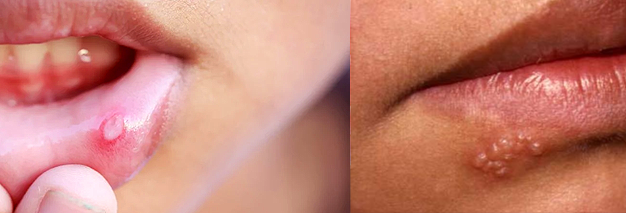
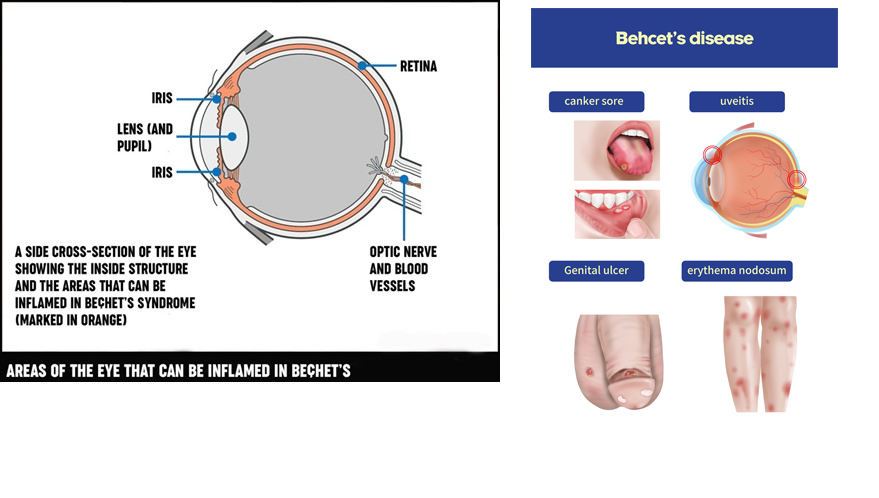
- Oral and genital ulcers: These are the most common and characteristic symptoms of Behcet’s syndrome. The ulcers can be painful and may recur frequently.
- Skin lesions: These may appear as red, raised bumps or as a rash that may be painful or itchy.
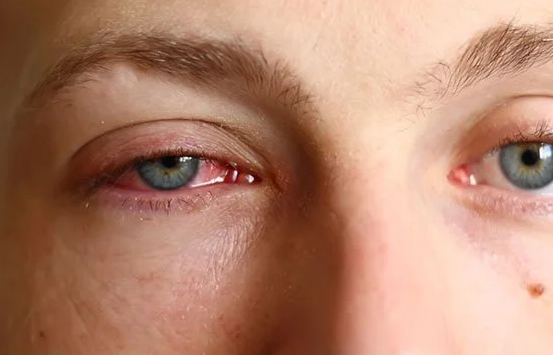
- Eye inflammation: Behcet’s syndrome can cause inflammation in various parts of the eye, leading to eye pain, sensitivity to light, blurred vision, and even vision loss.
- Joint pain and swelling: Behcet’s syndrome can cause joint pain and swelling, similar to that seen in rheumatoid arthritis.
- Gastrointestinal symptoms: Behcet’s syndrome can also cause inflammation in the digestive tract, leading to abdominal pain, diarrhea, and other gastrointestinal symptoms.
Other possible signs and symptoms of Behcet’s syndrome can include fever, fatigue, and neurological symptoms such as headaches, confusion, or muscle weakness.
It’s important to note that the signs and symptoms of Behcet’s syndrome can vary from person to person and may come and go over time. If you are experiencing any of these symptoms, it’s important to see a doctor who can perform a thorough evaluation and determine the underlying cause.
Behcet’s disease has been reported in Egypt, although its prevalence is not well established. Behcet’s disease is more common in people of Asian and Middle Eastern descent, and Egypt is located in the Middle East region.
A study published in 2015 that included patients from several countries in the Middle East and North Africa reported a higher prevalence of Behcet’s disease in this region compared to other parts of the world. However, the true prevalence of the disease in Egypt and other countries in the region is not well established due to differences in diagnostic criteria and underreporting.
If you are in Egypt and experiencing symptoms that could be related to Behcet’s disease, such as recurrent oral or genital ulcers, skin lesions, eye inflammation, joint pain, or gastrointestinal symptoms, it’s important to see a doctor for a proper evaluation and diagnosis. Early diagnosis and treatment can help to reduce the risk of complications and improve the long-term outlook for people with Behcet’s disease.
Is Behcet’s disease serious?
Behcet’s disease can be a serious and potentially life-threatening condition, especially if it is not diagnosed and treated promptly. The severity of the disease can vary widely, and some people may experience only mild symptoms, while others may have more severe and widespread involvement of various organ systems.
Some of the potential complications of Behcet’s disease include:
- Blindness: Eye inflammation can lead to vision loss or blindness if left untreated.
- Blood clots: Behcet’s disease can increase the risk of blood clots, which can be life-threatening if they occur in the lungs, brain, or other vital organs.
- Neurological complications: Inflammation in the brain or spinal cord can cause a range of neurological symptoms, including headaches, confusion, seizures, or paralysis.
- Gastrointestinal complications: Behcet’s disease can cause inflammation in the digestive tract, leading to ulcers, bleeding, and potentially life-threatening perforations or obstructions.
- Joint damage: Prolonged inflammation in the joints can cause damage and loss of function.
- Pregnancy complications: Behcet’s disease can increase the risk of miscarriage, preterm delivery, and other pregnancy complications.
While Behcet’s disease is a serious condition, it can be managed with appropriate treatment. If you have been diagnosed with Behcet’s disease or are experiencing symptoms that could be related to the condition, it’s important to work closely with your doctor to develop a treatment plan that is tailored to your individual needs.
Is Behcet’s disease transmittable?
Behcet’s disease is not a contagious or infectious disease and is not transmitted from person to person through any known means. The exact cause of Behcet’s disease is not well understood, but it is thought to be an autoimmune disorder in which the body’s immune system mistakenly attacks its own tissues, leading to inflammation and other symptoms.

While the underlying cause of Behcet’s disease is not known, it is believed to be influenced by a combination of genetic, environmental, and immunological factors. There is some evidence to suggest that certain infections or environmental triggers may play a role in triggering the disease in genetically susceptible individuals, but this is not well understood and further research is needed to clarify these factors.
In any case, Behcet’s disease is not contagious and cannot be transmitted from one person to another through contact or exposure. If you are concerned about your risk of developing Behcet’s disease or are experiencing symptoms that could be related to the condition, it’s important to see a doctor who can perform a thorough evaluation and help determine the underlying cause.
Does Behcet’s cause blindness?
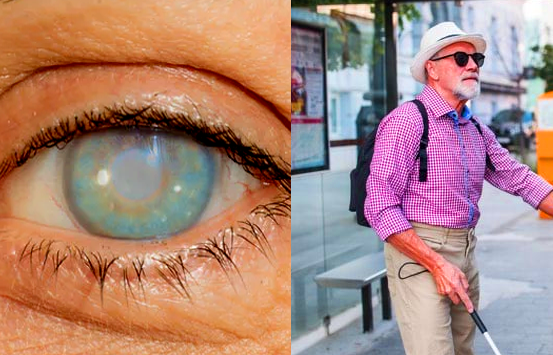
Behcet’s disease can cause eye inflammation, which can lead to vision loss and, in rare cases, blindness if left untreated or if it is not well-controlled. Eye involvement occurs in about half of people with Behcet’s disease, and it is more common in men than in women.
The inflammation in Behcet’s disease can affect various parts of the eye, including the iris, retina, and blood vessels in the eye. Inflammation of the uvea (uveitis) is the most common eye problem associated with Behcet’s disease. Uveitis can cause redness, pain, light sensitivity, and blurred vision. If left untreated or if treatment is delayed, uveitis can lead to complications such as glaucoma, cataracts, retinal detachment, and scarring of the retina. In severe cases, uveitis can lead to blindness.
It’s important for people with Behcet’s disease to have regular eye exams to monitor for any signs of inflammation or damage to the eyes. Early detection and prompt treatment of eye problems can help to reduce the risk of vision loss and other complications. If you have Behcet’s disease and experience any changes in your vision or eye symptoms, it’s important to see an ophthalmologist as soon as possible.
What age does Behcet’s disease start?
Behcet’s disease can develop at any age, but it typically first appears in young adulthood, usually between the ages of 20 and 40. However, it has been reported in children and in older adults as well.
Behcet’s disease is more common in people of Asian and Middle Eastern descent, but it can affect people of any race or ethnicity. Men are slightly more likely to be affected than women, but the disease can occur in both genders.
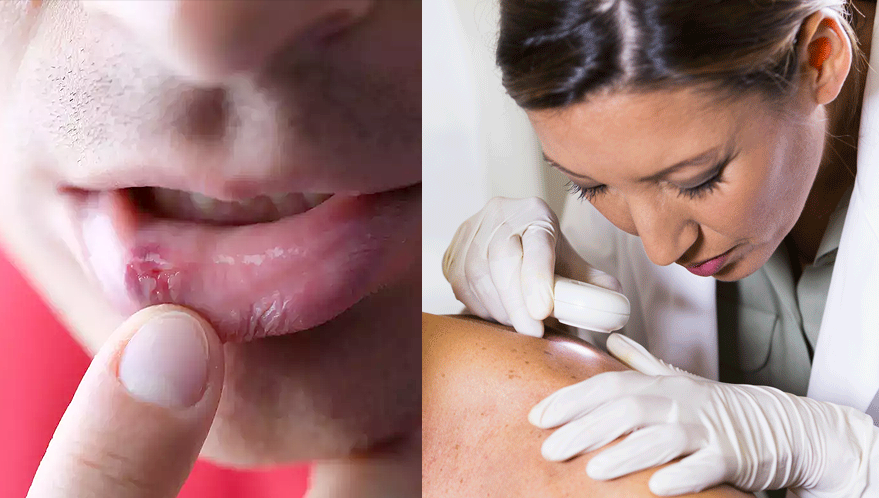
The symptoms of Behcet’s disease can vary widely from person to person, and they may come and go over time. The diagnosis of Behcet’s disease is based on a combination of clinical symptoms, physical examination findings, and sometimes laboratory or imaging tests.
If you are experiencing symptoms that could be related to Behcet’s disease, such as recurrent oral or genital ulcers, skin lesions, eye inflammation, joint pain, or gastrointestinal symptoms, it’s important to see a doctor for a proper evaluation and diagnosis. Early diagnosis and treatment can help to reduce the risk of complications and improve the long-term outlook for people with Behcet’s disease.
Can Behcet’s disease be cured?
There is currently no known cure for Behcet’s disease. However, with appropriate treatment and management, many people with Behcet’s disease can achieve long-term control of their symptoms and lead active, healthy lives.

The goal of treatment for Behcet’s disease is to reduce inflammation and prevent complications, such as blindness, blood clots, and organ damage. The specific treatment approach will depend on the individual’s symptoms and the severity of the disease. In many cases, a combination of medications, such as corticosteroids, immunosuppressants, and biologic agents, may be used to control inflammation and prevent disease flares.
In addition to medical treatment, lifestyle modifications, such as regular exercise, a healthy diet, and stress reduction techniques, can also be helpful in managing the symptoms of Behcet’s disease. It’s also important to avoid tobacco and excessive alcohol consumption, which can exacerbate inflammation and increase the risk of complications.
While there is no known cure for Behcet’s disease, many people with the condition are able to manage their symptoms effectively and maintain a good quality of life with the help of appropriate medical care and lifestyle modifications. It’s important for people with Behcet’s disease to work closely with their healthcare providers to develop a personalized treatment plan that is tailored to their individual needs and preferences.