
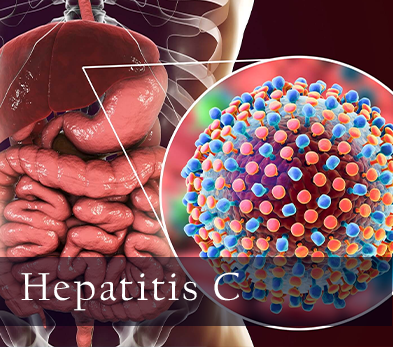
When was Hep C discovered?
Hepatitis C was discovered in 1989 by a team of researchers led by Dr. Michael Houghton at Chiron Corporation (now Novartis) in California. The discovery was made possible through the development of a new technique called the polymerase chain reaction (PCR), which allowed scientists to amplify and study small amounts of genetic material from the hepatitis C virus (HCV). The identification of the virus was a significant breakthrough in the understanding and treatment of hepatitis, which had previously been attributed to other viruses, such as hepatitis A and B.
What causes virus of Hepatitis C?
Hepatitis C virus (HCV) is a blood-borne virus that causes hepatitis, which is inflammation of the liver. The virus is primarily spread through exposure to contaminated blood, such as through:
- Sharing of needles or other injection equipment among people who use drugs.
- Receiving blood transfusions or organ transplants before 1992, when widespread screening of the blood supply for HCV was not yet available.
- Receiving clotting factor concentrates made before 1987, when methods for manufacturing these products carried a higher risk of transmitting HCV.
- Healthcare exposures, such as needlestick injuries or contact with contaminated equipment, though this is rare.
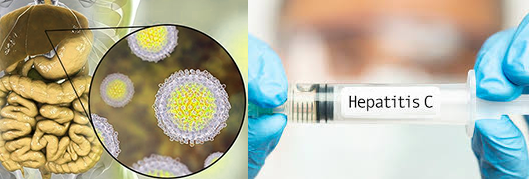
In rare cases, HCV can also be spread through sexual contact or from an infected mother to her baby during childbirth.
What’s Hepatitis c symptoms?
Hepatitis C is often called a « silent » infection because many people with the virus do not experience any signs or symptoms. However, when symptoms do occur, they can be similar to those of other types of hepatitis and can include:
- Fatigue
- Jaundice (yellowing of the skin and eyes)
- Abdominal pain and tenderness
- Loss of appetite
- Nausea and vomiting
- Dark urine
- Clay-colored stool
- Joint pain
- Itchy skin
- Weight loss
- Bleeding and bruising easily
It is important to note that some people may not experience any symptoms of hepatitis C, and others may only experience mild symptoms. Therefore, if you think you may have been exposed to hepatitis C, it is important to get tested, even if you are not experiencing any symptoms
What are the 4 phases of Hepatitis C?
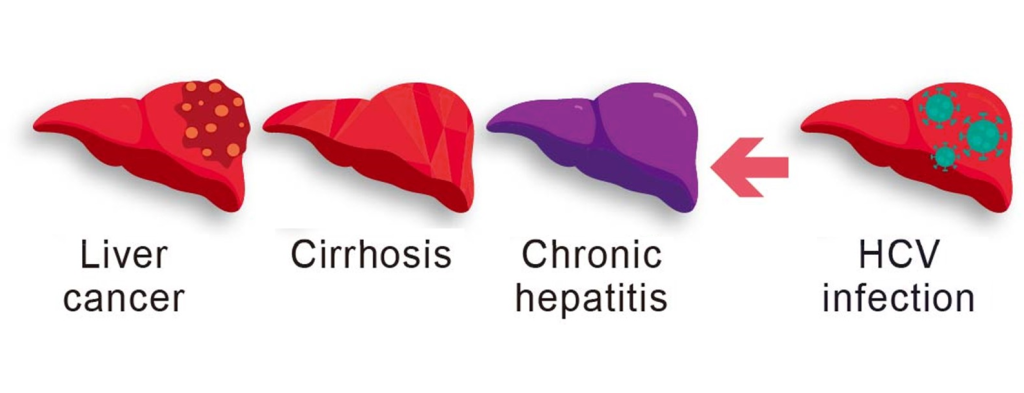
Hepatitis C does not have formal stages like cancer, but the disease can be categorized into the following phases:
Acute Phase: This is the initial phase of hepatitis C infection, which occurs within the first six months after exposure to the virus. Many people may not have any symptoms during this phase, but some may experience flu-like symptoms, such as fatigue, nausea, and fever.
Chronic Phase: This is the long-term phase of hepatitis C infection, which occurs when the virus remains in the body for more than six months. Many people may not have any symptoms during this phase, but the virus can cause damage to the liver over time.
Cirrhosis: This is a late-stage complication of hepatitis C infection, which occurs when the liver becomes scarred and cannot function properly. Cirrhosis can lead to liver failure, liver cancer, and other serious health problems.
Hepatocellular Carcinoma (HCC): This is a type of liver cancer that can develop in people with cirrhosis, including those with hepatitis C. HCC is a serious complication of hepatitis C infection and can be life-threatening.
How long can you live with hep C without knowing?
Many people with hepatitis C can live with the infection for decades without experiencing any symptoms or being aware that they are infected. It is estimated that up to 75% of people with hepatitis C do not know they have the virus.
Without treatment, hepatitis C can cause liver damage and lead to serious liver conditions, such as cirrhosis or liver cancer, which can be life-threatening. However, the rate of liver damage can vary widely among individuals and can depend on factors such as age, gender, genetics, and lifestyle factors such as alcohol consumption.
Some people with hepatitis C may never develop significant liver damage or complications, while others may progress more quickly.
Can Hep C be transmitted through saliva & Kissing?
Hepatitis C virus (HCV) is primarily spread through exposure to infected blood, and it is not spread through casual contact such as hugging, kissing, or sharing utensils.

While HCV has been detected in saliva, the virus is present in much lower levels than in blood, and the risk of transmission through saliva is considered extremely low. Kissing, even with open mouth, is not considered a significant risk factor for HCV transmission, unless there is the presence of blood from a bleeding gum, sore or cut in the mouth of an infected person.
However, it is still possible to transmit the virus through other modes of transmission, such as sharing of razors, toothbrushes or personal care items that may have come into contact with infected blood. The most common mode of transmission is through sharing of injection equipment or receiving contaminated blood products before widespread screening of the blood supply became available.
Hepatitis B is easier to catch than HIV
In general, hepatitis B is considered to be more infectious than HIV, as it is more easily transmitted through exposure to infected blood or bodily fluids. Hepatitis B can be transmitted through sexual contact, sharing of injection drug equipment, and from mother to baby during childbirth.

HIV transmission, on the other hand, is primarily through sexual contact, sharing of injection drug equipment, and from mother to baby during childbirth or breastfeeding. While HIV is less infectious than hepatitis B, the risk of transmission can still be significant without proper precautions and prevention methods.
It is important to note that both hepatitis B and HIV can be prevented through the use of safe sex practices, avoidance of sharing injection drug equipment, and vaccination (in the case of hepatitis B)
What is the main treatment for hepatitis?
he main treatment for chronic hepatitis C is antiviral therapy using direct-acting antiviral (DAA) medications. DAAs are highly effective at curing hepatitis C, with cure rates of over 95% in most cases.
The specific DAA medications used for treatment may vary depending on the genotype of the virus, the severity of the liver disease, and other factors. The treatment regimen typically involves taking one or more medications daily for a period of 8-12 weeks, although the duration of treatment may be longer in some cases.
DAAs work by targeting specific proteins and enzymes that are essential for the hepatitis C virus to replicate and survive in the body. By interfering with these processes, the medications can eliminate the virus from the body and prevent further liver damage.
In addition to antiviral therapy, it is important to maintain a healthy lifestyle with regular exercise and a balanced diet, as well as avoiding alcohol and other substances that can be harmful to the liver.
Hepatitis C Virus and Vaccine Development
The hepatitis C virus (HCV) is a challenging virus to develop a vaccine for, as the virus can rapidly mutate and evade the immune system, making it difficult to develop a long-lasting and effective immune response.

Despite these challenges, there have been significant advances in HCV vaccine development in recent years. One approach is to use virus-like particles (VLPs) that mimic the structure of the virus to stimulate an immune response. VLPs are non-infectious and do not contain the genetic material of the virus, making them a safe and effective option for vaccine development.
Another approach is to use genetic engineering to modify the virus to create a weakened or attenuated form that can be used to stimulate an immune response without causing disease. This approach has been successful in the development of vaccines for other viral infections, such as measles and mumps.
There are currently no approved vaccines for HCV, but several candidates are in various stages of clinical trials, and early results have shown promising efficacy and safety profiles. However, more research is needed to determine the optimal vaccine approach and to address the challenges associated with developing a vaccine for HCV.
In the meantime, the best way to prevent HCV infection is to take precautions to reduce the risk of exposure, such as avoiding sharing injection drug equipment, practicing safe sex, and using caution with personal care items that may come in contact with infected blood.