
What are the 4 first signs of FTD disease?
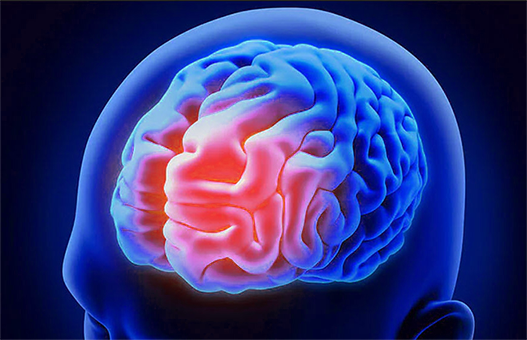
Frontotemporal dementia (FTD) is a type of dementia that affects the front and sides of the brain. The symptoms of FTD can vary depending on the subtype of the condition, but some common early signs and symptoms of FTD may include:
- Changes in personality and behavior: People with FTD may experience changes in their personality, such as becoming more impulsive or socially inappropriate. They may also show changes in their behavior, such as increased apathy or lack of motivation.
- Language difficulties: Some people with FTD may have difficulty finding the right words or understanding language.
- Movement problems: FTD can sometimes cause movement problems, such as stiffness or tremors.
- Difficulty with executive function: This includes difficulty with planning, organizing, problem-solving, and decision-making.
It is important to note that FTD can be difficult to diagnose, and many of these symptoms can be caused by other conditions. If you or a loved one are experiencing any of these symptoms, it is important to consult a healthcare professional for a thorough evaluation and diagnosis.
How is frontotemporal dementia (FTD ) caused?
Frontotemporal dementia (FTD) is caused by the degeneration of nerve cells in the frontal and temporal lobes of the brain. This degeneration can be due to several different underlying causes, including:
- Abnormal protein build-up: In some cases, FTD is caused by abnormal proteins that build up in the brain. These proteins can interfere with the normal functioning of nerve cells and eventually cause them to die.
- Genetic mutations: FTD can be caused by mutations in certain genes, such as the MAPT, GRN, or C9orf72 genes. These mutations can lead to the abnormal production or processing of proteins in the brain, which can cause nerve cells to degenerate.
- Environmental factors: Although the exact environmental factors that contribute to FTD are not yet well understood, research suggests that factors such as head injuries, exposure to certain toxins, and lifestyle factors such as diet and exercise may play a role.

It’s important to note that the underlying causes of FTD are still being studied, and much remains unknown about the disease. While some cases of FTD are genetic, most cases appear to be sporadic, meaning they occur in people without a family history of the disease. If you or a loved one are experiencing symptoms of FTD, it is important to speak with a healthcare professional for a thorough evaluation and diagnosis.
Can FTD disease be cured?
Currently, there is no cure for frontotemporal dementia (FTD). Treatment options are focused on managing symptoms and improving quality of life for people with the condition.
The specific treatments recommended for FTD depend on the individual’s symptoms and their overall health. In some cases, medications such as antidepressants, antipsychotics, or mood stabilizers may be used to help manage behavioral symptoms such as agitation or aggression. Speech therapy and occupational therapy may also be recommended to help individuals maintain communication skills and activities of daily living.
Additionally, lifestyle changes such as a healthy diet, regular exercise, and social engagement may help to slow the progression of the disease and improve quality of life.
Although there is no cure for FTD at this time, research is ongoing to better understand the underlying causes of the disease and to develop new treatments. Clinical trials of new drugs and therapies are also underway, and may offer new treatment options in the future. It is important for individuals with FTD and their caregivers to work closely with healthcare professionals to manage symptoms and maintain quality of life.
What are the 3 stages of frontotemporal dementia?

Frontotemporal dementia (FTD) is a progressive condition, meaning that symptoms worsen over time. The stages of FTD can vary depending on the individual, but in general, FTD is thought to progress through the following stages:
- Early Stage: In the early stages of FTD, individuals may begin to show changes in their behavior or personality. They may become socially inappropriate, lose interest in activities they once enjoyed, or show signs of apathy or lack of motivation. Memory and language skills are typically still intact at this stage.
- Middle Stage: In the middle stages of FTD, symptoms typically become more severe and widespread. Individuals may have difficulty with communication, including finding the right words or understanding language. They may also experience changes in their movement, such as stiffness or tremors. Behavioral symptoms may become more pronounced, including agitation, aggression, or depression.
- Late Stage: In the late stages of FTD, individuals may become completely dependent on others for their care. They may lose the ability to speak or communicate, and may experience difficulty with swallowing or other basic functions. Individuals in the late stages of FTD may also be at increased risk of infections and other health complications.
It’s important to note that the progression of FTD can vary widely between individuals, and not everyone with the condition will experience all of these stages. Additionally, the symptoms of FTD can be different depending on the subtype of the condition. A healthcare professional can help provide more information and guidance about the stages of FTD and what to expect.

Bruce Willis has been diagnosed with Frontotemporal Dementia (FTD)
Bruce Willis has been diagnosed with Frontotemporal Dementia (FTD), a rare type of dementia , his family announced on Thursday. FTD is a group of disorders caused by progressive nerve cell damage in the brain’s frontal or temporal lobes , which can cause changes in behavior, language, and/or movement. Symptoms can include impaired judgment, difficulty with communication and/or decision-making, and changes in personality and behavior. There is no cure for FTD, but treatments are available to help manage the symptoms.
What is the difference between FTD and Alzheimer’s?
FTD (Frontotemporal dementia) and Alzheimer’s disease are two different types of dementia, with some important differences in their symptoms and underlying causes.
FTD is a type of dementia that affects the frontal and temporal lobes of the brain, which are responsible for personality, behavior, and language. FTD is typically seen in people under the age of 65, and it can be caused by the buildup of abnormal proteins in the brain. The symptoms of FTD can vary depending on which part of the brain is affected, but may include changes in behavior, apathy, loss of empathy, difficulty with language, and impaired social skills.
Alzheimer’s disease, on the other hand, is the most common type of dementia and is characterized by the buildup of amyloid plaques and tau protein tangles in the brain. Alzheimer’s typically affects memory, and as the disease progresses, it can lead to difficulties with language, decision-making, and daily tasks. Alzheimer’s is typically seen in people over the age of 65.
While both FTD and Alzheimer’s are types of dementia, they have different underlying causes, symptoms, and patterns of progression. A thorough medical evaluation by a healthcare professional is needed to diagnose and distinguish between these conditions.
What is the life expectancy of someone with FTD disease?
The life expectancy for someone with frontotemporal dementia (FTD) can vary widely depending on a number of factors, including the subtype of FTD, the age at which symptoms begin, and the individual’s overall health.

In general, FTD tends to progress more rapidly than other forms of dementia such as Alzheimer’s disease, with an average survival time of 7-8 years from the time of diagnosis. However, some individuals with FTD may live for many years after their diagnosis, while others may experience a more rapid decline.
It’s important to note that FTD can also increase an individual’s risk of developing other health complications, such as infections or aspiration pneumonia, which can impact life expectancy. Additionally, the behavioral symptoms associated with FTD can sometimes make it more difficult to manage other health conditions.
While there is no cure for FTD at this time, there are treatments and therapies available to help manage symptoms and improve quality of life. Individuals with FTD and their caregivers should work closely with healthcare professionals to manage symptoms and plan for the future.