
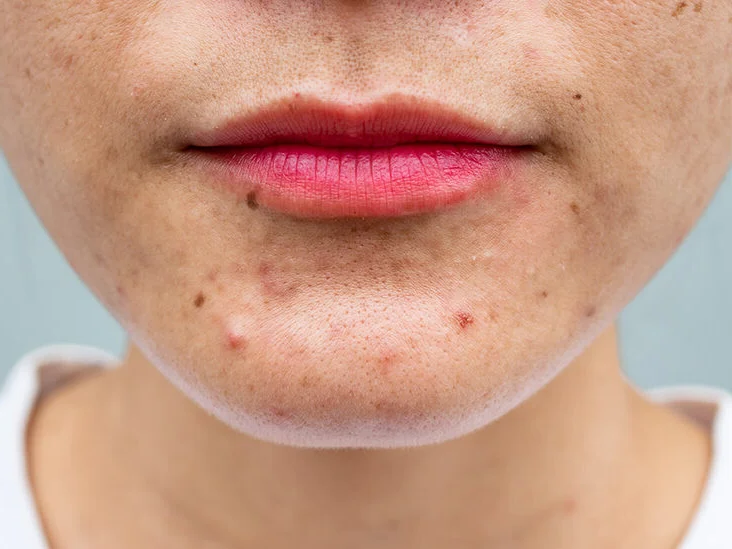
What are the top 7 causes of acne?
Acne is a common skin condition that occurs when hair follicles become clogged with oil and dead skin cells. While the exact cause of acne is not fully understood, there are several factors that can contribute to its development. Here are some of the top causes of acne:
- Hormones: Fluctuations in hormone levels, particularly during puberty, can cause an increase in oil production in the skin, which can lead to the development of acne.
- Genetics: Acne can run in families, so if your parents had acne, you may be more likely to develop it too.
- Bacteria: The skin is home to a variety of bacteria, including Propionibacterium acnes (P. acnes), which can contribute to the development of acne.
- Excess oil production: Overactive oil glands can lead to an excess production of oil on the skin, which can clog pores and contribute to the development of acne.
- Inflammation: Inflammation in the skin can contribute to the development of acne, and can be triggered by a variety of factors including stress, diet, and exposure to certain chemicals.
- Medications: Certain medications, including steroids and lithium, can contribute to the development of acne.
- Certain cosmetics: Some cosmetics can clog pores and contribute to the development of acne, particularly if they are applied to oily skin.

It’s worth noting that while these factors can contribute to the development of acne, the exact causes of acne can vary from person to person. If you are experiencing acne, it’s a good idea to talk to a dermatologist or healthcare provider to determine the best course of treatment for your individual situation.
What are the types of acne?
There are several types of acne, each with their own unique characteristics. Here are some of the most common types of acne:
- Whiteheads: These are small, white bumps that form when oil and dead skin cells become trapped inside a hair follicle.
- Blackheads: These are similar to whiteheads, but the pore is open and exposed to air, causing it to turn black.
- Papules: These are small, red, and inflamed bumps that can be painful to the touch.
- Pustules: These are similar to papules, but contain pus in addition to inflammation.
- Nodules: These are large, painful, solid bumps that develop deep under the skin.
- Cysts: These are large, painful, pus-filled lumps that develop deep under the skin.
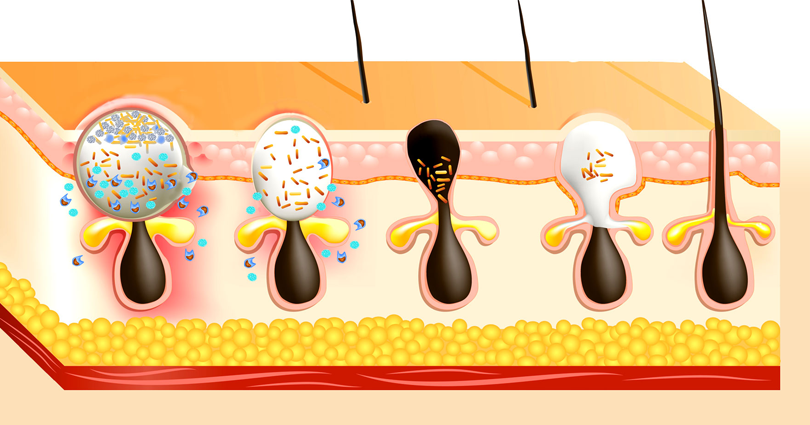
Acne can also be classified by its severity, ranging from mild to severe. Mild acne may include a few whiteheads and blackheads, while severe acne may include numerous nodules and cysts across a larger area of the face or body. It’s important to talk to a dermatologist or healthcare provider to determine the best course of treatment for your individual situation.
What ages have the most acne?
Acne is a common skin condition that can affect people of all ages, but it is most commonly associated with adolescence. Acne typically begins during puberty, when the body undergoes significant hormonal changes that can lead to an increase in oil production in the skin. This increase in oil production can clog pores and contribute to the development of acne.
Studies have found that approximately 85% of teenagers experience acne to some degree. Acne typically begins between the ages of 11 and 14, and can continue into the late teens or early 20s. However, acne can also develop in adults, and may continue to be a problem for some people well into their 30s, 40s, or even later.
While acne is most commonly associated with adolescence, it’s important to note that it can be a problem for people of all ages. If you are experiencing acne, it’s a good idea to talk to a dermatologist or healthcare provider to determine the best course of treatment for your individual situation.
Do acne scars go away?
Acne scars can be a long-lasting consequence of acne, and in some cases, they may not completely go away. However, with proper treatment, many acne scars can be significantly improved in appearance.
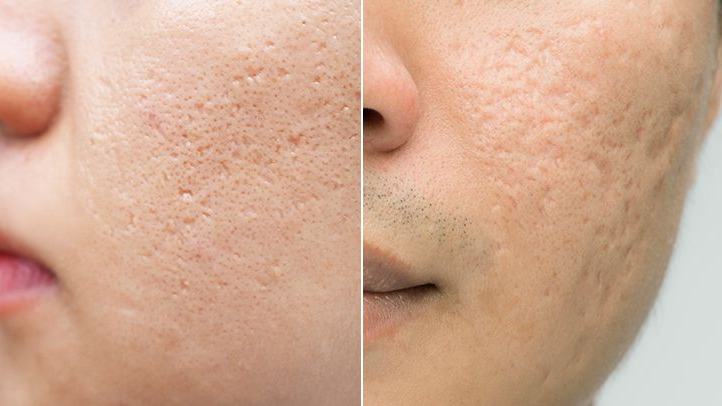
The type of acne scar and its severity will play a role in how much it can be improved. Here are some common types of acne scars:
- Atrophic scars: These are depressed scars that occur when the skin does not produce enough collagen during the healing process.
- Hypertrophic scars: These are raised scars that occur when the skin produces too much collagen during the healing process.
- Post-inflammatory hyperpigmentation (PIH): This is not a scar but rather a temporary discoloration of the skin that can occur after an acne breakout.
Treatment options for acne scars can include:
- Chemical peels: These involve applying a chemical solution to the skin to exfoliate the outer layer and promote collagen production.
- Microneedling: This involves using tiny needles to create micro-injuries in the skin, which can stimulate collagen production and improve the appearance of scars.
- Laser therapy: This involves using a laser to resurface the skin and stimulate collagen production.
- Dermal fillers: These involve injecting a filler substance into the skin to plump up depressed scars.
It’s worth noting that some acne scars may be more difficult to treat than others, and multiple treatments may be necessary to achieve the desired result. If you are concerned about acne scars, it’s a good idea to talk to a dermatologist or healthcare provider to determine the best course of treatment for your individual situation.
Which foods cause acne?
There is no definitive evidence that any specific foods cause acne. However, some research suggests that certain dietary habits or specific foods may contribute to the development or worsening of acne for some people. Here are some examples:
- High-glycemic-index foods: Foods that are high on the glycemic index (GI), such as white bread, sugary drinks, and potato chips, can cause a rapid spike in blood sugar levels, which can lead to an increase in insulin production. Elevated insulin levels can cause an increase in oil production in the skin, which can lead to the development of acne.
- Dairy products: Some studies have suggested that consuming high amounts of dairy products, particularly milk, may be associated with an increased risk of acne. The reason for this is not well understood, but it may be due to hormones or other substances in milk that can affect the skin.
- Fried and fatty foods: Eating a diet high in fried and fatty foods may lead to an increase in oil production in the skin, which can contribute to the development of acne.
- Chocolate: While there is no definitive evidence that chocolate causes acne, some studies have suggested a possible link. Chocolate contains caffeine and other substances that can affect the skin, but the evidence linking chocolate to acne is not strong.
- Processed foods: Processed foods, which are often high in sugar, salt, and unhealthy fats, may contribute to the development or worsening of acne.
It’s important to note that the relationship between diet and acne is not well understood, and what may trigger acne for one person may not affect another. If you are concerned about acne, it’s a good idea to talk to a dermatologist or healthcare provider to determine the best course of treatment for your individual situation.
Is it normal to have acne at 30?
Yes, it is normal to have acne at 30 and beyond. Acne can occur at any age, and while it is most commonly associated with adolescence, it can also affect adults. In fact, many people who did not experience acne during their teenage years may still develop it later in life.

There are several reasons why acne may develop in adults. Hormonal changes, stress, certain medications, and other factors can all contribute to the development of acne. In addition, some people may be more prone to developing acne due to genetic factors.
If you are experiencing acne as an adult, it’s important to talk to a dermatologist or healthcare provider to determine the best course of treatment for your individual situation. There are many effective treatments for acne, including topical and oral medications, as well as lifestyle changes that may help improve the condition of your skin.
How can I clear my acne naturally?
While there is no guaranteed way to clear acne naturally, there are several things you can do that may help improve the condition of your skin. Here are some natural remedies that you may consider:
- Keep your skin clean: Wash your face with a gentle cleanser twice a day to remove excess oil, dirt, and bacteria that can contribute to the development of acne. Avoid scrubbing your skin too hard, as this can irritate your skin and make acne worse.
- Try tea tree oil: Tea tree oil is a natural anti-inflammatory and antibacterial agent that may help improve acne. Dilute a small amount of tea tree oil with water and apply it to your skin with a cotton ball.
- Use honey: Honey has natural antibacterial properties that can help kill the bacteria that cause acne. Apply a small amount of honey to your face and leave it on for 10-15 minutes before rinsing it off with warm water.
- Apply aloe vera: Aloe vera is a natural anti-inflammatory agent that can help soothe irritated skin. Apply a small amount of aloe vera gel to your face and leave it on for 10-15 minutes before rinsing it off with warm water.
- Try witch hazel: Witch hazel is a natural astringent that can help reduce oil production in the skin. Apply witch hazel to your face with a cotton ball and leave it on for a few minutes before rinsing it off with warm water.
- Eat a healthy diet: Eating a balanced diet that is rich in fruits, vegetables, and whole grains can help improve the health of your skin.
It’s important to note that while these natural remedies may help improve acne for some people, they may not work for everyone. If you are concerned about acne, it’s a good idea to talk to a dermatologist or healthcare provider to determine the best course of treatment for your individual situation.
Which foods might help to improve acne?

While there are no magic foods that can cure acne, eating a healthy and balanced diet that is rich in certain nutrients may help improve the health of your skin and reduce inflammation that can contribute to acne. Here are some foods that you may consider incorporating into your diet:
- Fruits and vegetables: These are rich in antioxidants, which can help reduce inflammation and improve the overall health of your skin. Dark leafy greens, berries, citrus fruits, and sweet potatoes are all good choices.
- Foods high in omega-3 fatty acids: Omega-3 fatty acids have anti-inflammatory properties and may help reduce inflammation in the body that can contribute to acne. Foods that are high in omega-3s include fatty fish, such as salmon and sardines, as well as flaxseeds, chia seeds, and walnuts.
- Whole grains: Whole grains, such as brown rice, quinoa, and whole-wheat bread, are rich in fiber and may help regulate blood sugar levels. This can help reduce insulin production, which can contribute to the development of acne.
- Probiotic-rich foods: Probiotics are beneficial bacteria that can help improve the health of your gut and reduce inflammation. Foods that are high in probiotics include yogurt, kefir, sauerkraut, and kimchi.
- Zinc-rich foods: Zinc is an important mineral that is involved in many processes in the body, including skin health. Foods that are high in zinc include oysters, beef, pumpkin seeds, and lentils.
It’s important to note that while these foods may be helpful for some people, they may not work for everyone. If you are concerned about acne, it’s a good idea to talk to a dermatologist or healthcare provider to determine the best course of treatment for your individual situation.