
When Did AIDS start in history?
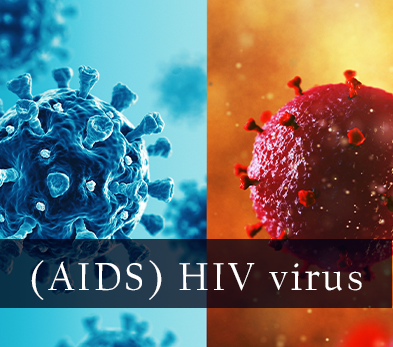
AIDS (Acquired Immunodeficiency Syndrome) is a modern-day epidemic caused by the human immunodeficiency virus (HIV). The first cases of AIDS were reported in the early 1980s in the United States.
However, the virus that causes AIDS is believed to have originated from chimpanzees in Central Africa and was transmitted to humans in the early 20th century. The exact timeline of when the virus first entered the human population is still not fully understood, but it is thought to have happened as early as the 1920s or 1930s.
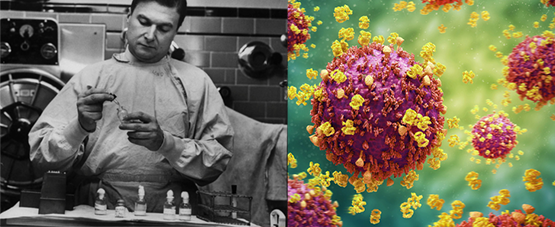
The earliest known case of HIV was discovered in 1959 in the Democratic Republic of the Congo, in a blood sample taken from a man who had died in 1958. The virus then spread throughout the African continent and beyond, eventually leading to the global epidemic we know today.
How Do People Get AIDS?
Here are 10 ways that people can get HIV and develop AIDS:
- Unprotected sexual contact: HIV can be transmitted through vaginal, anal, or oral sex without a condom with an infected person.
- Sharing needles or injection equipment: HIV can be spread through sharing needles or syringes contaminated with the blood of an infected person.
- Mother-to-child transmission: HIV can be transmitted from an infected mother to her child during pregnancy, childbirth, or breastfeeding.
- Blood transfusions and organ transplants: Although rare in the United States and other developed countries, HIV can be transmitted through blood transfusions or organ transplants if the donor is infected with the virus.
- Occupational exposure: Healthcare workers, emergency responders, and other workers who may be exposed to HIV-infected blood or other bodily fluids on the job are at risk of infection.
- Sharing personal care items: HIV can be spread through sharing razors, toothbrushes, or other personal care items that may have come into contact with infected blood.
- Tattoos and body piercings: Although the risk is low, HIV can be transmitted through contaminated needles used for tattoos and body piercings.
- Occupational exposure to blood and other bodily fluids: People who work in occupations that may expose them to blood and other bodily fluids, such as healthcare workers, first responders, and correctional workers, may be at risk of infection.
- Receiving non-sterile medical or dental care: HIV can be transmitted through non-sterile medical or dental equipment that has come into contact with infected blood.
- Accidental exposure: In rare cases, HIV can be transmitted through accidental exposure to infected blood, such as from a needle stick injury or exposure to an open wound.
Can you get AIDS from saliva & kissing?
It is very unlikely to contract AIDS (Acquired Immunodeficiency Syndrome) through saliva or kissing. HIV (Human Immunodeficiency Virus), which causes AIDS, is primarily transmitted through unprotected sexual contact, sharing needles or other injection equipment, mother-to-child transmission during pregnancy, childbirth or breastfeeding, and through blood transfusions or organ transplants from an HIV-positive donor (although this is very rare in developed countries where screening for HIV is mandatory for blood and organ donations).

While HIV can be present in saliva, the virus is not present in high enough levels to transmit the infection through kissing or other forms of casual contact. However, there have been extremely rare cases of HIV transmission through deep, open-mouth kissing when both partners had bleeding gums or mouth sores.
It is important to note that while the risk of HIV transmission through kissing or saliva is extremely low, it is still possible to contract other infections such as herpes, cytomegalovirus, and Epstein-Barr virus through kissing and other forms of close contact.
HIV can be transmitted through blood or urine on a toilet seat ?
No, HIV (Human Immunodeficiency Virus) cannot be transmitted through blood or urine on a toilet seat. HIV is a fragile virus that cannot survive for long outside of the body, and it requires specific conditions to survive and be transmitted.

HIV is primarily transmitted through unprotected sexual contact, sharing needles or other injection equipment, mother-to-child transmission during pregnancy, childbirth or breastfeeding, and through blood transfusions or organ transplants from an HIV-positive donor (although this is very rare in developed countries where screening for HIV is mandatory for blood and organ donations).
HIV cannot be transmitted through casual contact such as hugging, shaking hands, or using a toilet seat. The virus is also not transmitted through air or water, insect bites, or sharing food or drinks.
It is important to note that while the risk of HIV transmission through blood or urine on a toilet seat is extremely low, it is still possible to acquire other infections such as hepatitis B and C, and other sexually transmitted infections through contact with contaminated surfaces or bodily fluids
Types and Strains of HIV/AIDS
HIV (human immunodeficiency virus) has two main types: HIV-1 and HIV-2. Here are some differences between HIV-1 and HIV-2:
- Prevalence: HIV-1 is the most common type of HIV and is responsible for the vast majority of HIV infections worldwide, while HIV-2 is mainly found in West Africa and accounts for a small percentage of HIV infections globally.
- Transmission: HIV-1 is more easily transmitted than HIV-2. HIV-1 can be transmitted through sexual contact, sharing needles, mother-to-child transmission, and other ways, while HIV-2 is mainly transmitted through sexual contact.
- Progression: HIV-1 tends to progress more rapidly to AIDS (Acquired Immunodeficiency Syndrome) than HIV-2. People with HIV-1 generally have higher viral loads and lower CD4 T-cell counts than those with HIV-2, which can lead to more rapid disease progression.
- Treatment: Antiretroviral therapy (ART) is the standard treatment for both HIV-1 and HIV-2. However, some of the drugs used to treat HIV-1 are not effective against HIV-2, so people with HIV-2 may require different medications.
- Testing: Standard HIV tests can detect both HIV-1 and HIV-2 antibodies. However, specialized tests are required to distinguish between the two types of virus.
Can have both HIV-1 and HIV-2 ?
Yes, it is possible for a person to be infected with both HIV-1 and HIV-2 at the same time. This is known as a « dual infection ». However, dual infections are relatively rare, and most HIV infections around the world are caused by HIV-1.
Dual infection can complicate diagnosis and treatment, as HIV-2 is less responsive to some of the antiretroviral drugs used to treat HIV-1. People with dual infections may require different treatment approaches than those with HIV-1 or HIV-2 alone.
It is also important to note that co-infection with other sexually transmitted infections, such as hepatitis B and C, and herpes simplex virus, can occur in people with HIV-1 or HIV-2 infection. Co-infection can complicate diagnosis and treatment, and may require additional medical management.
What are the 4 stages of AIDS?
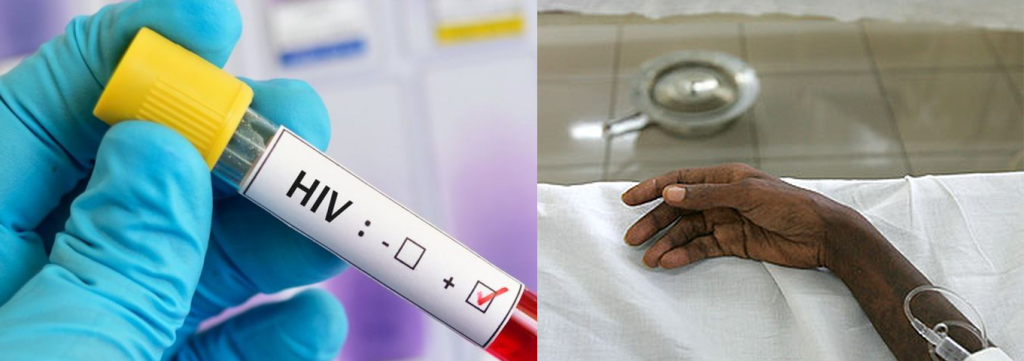
he stages of HIV infection can vary from person to person, but here are the general stages of HIV infection that can lead to AIDS:
- Acute HIV infection: This is the earliest stage of HIV infection and occurs within 2 to 4 weeks after exposure to the virus. Some people may experience flu-like symptoms such as fever, headache, fatigue, and swollen lymph nodes during this stage. However, many people do not have any symptoms at all.
- Asymptomatic HIV infection: This is the stage where the virus is present in the body but the person may not have any symptoms. This stage can last for many years, depending on the individual’s immune system and the effectiveness of antiretroviral therapy.
- Symptomatic HIV infection: This is the stage where the person may experience symptoms such as fever, fatigue, weight loss, and frequent infections. This stage is a sign that the virus is starting to weaken the immune system.
- AIDS: This is the most advanced stage of HIV infection, where the immune system is severely damaged, and the person is at high risk for opportunistic infections, such as pneumonia and tuberculosis, as well as certain cancers. A person is diagnosed with AIDS when they have a CD4 T-cell count of less than 200 cells/mm3 or have an AIDS-defining illness.
HIV and AIDS Treatments
There are several treatments available for HIV and AIDS, including antiretroviral therapy (ART), which is the main treatment for HIV infection.
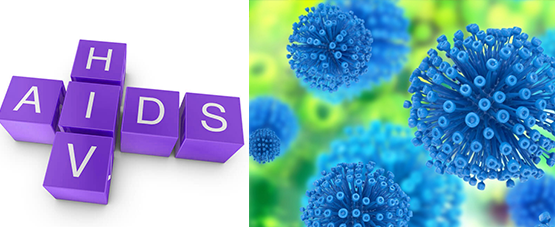
Antiretroviral therapy (ART) is a combination of drugs that suppress the replication of the HIV virus in the body. ART can improve the immune function and quality of life of people living with HIV, and can also reduce the risk of HIV transmission to others. ART involves taking a combination of three or more antiretroviral drugs from different drug classes, such as nucleoside reverse transcriptase inhibitors (NRTIs), non-nucleoside reverse transcriptase inhibitors (NNRTIs), protease inhibitors (PIs), and integrase inhibitors (INSTIs). ART must be taken daily and consistently to be effective.
Other treatments for HIV and AIDS include:
- Pre-exposure prophylaxis (PrEP): PrEP is a daily medication that can reduce the risk of HIV infection in people who are at high risk of getting infected.
- Post-exposure prophylaxis (PEP): PEP is a medication that can be taken within 72 hours after possible exposure to HIV to reduce the risk of infection.
- Treatment for opportunistic infections: Opportunistic infections are infections that occur when the immune system is weakened due to HIV infection. Treatment for these infections may include antibiotics, antifungal medications, and other drugs.
- Immunomodulators: Immunomodulators are drugs that can help boost the immune system and may be used in combination with ART to improve immune function.
It is important to note that there is currently no cure for HIV or AIDS, but with effective treatment, people with HIV can live long
Has anyone ever been cured from AIDS?
Currently, there is no known cure for AIDS (Acquired Immunodeficiency Syndrome) or HIV (Human Immunodeficiency Virus). However, with the use of antiretroviral therapy (ART), people living with HIV can manage the virus and live long, healthy lives.
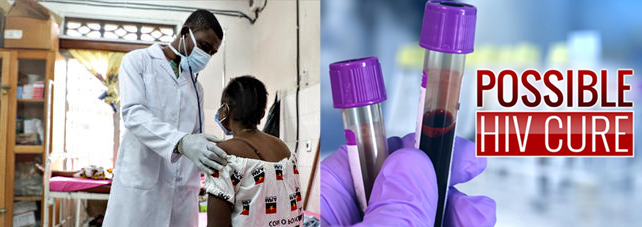
There have been a few reported cases of people being functionally cured of HIV, meaning that they have undetectable levels of the virus in their blood without the need for antiretroviral therapy. These cases are rare and typically occur when the person receives very early treatment for HIV or when they have a rare genetic mutation that makes it difficult for the virus to replicate.
One of the most well-known cases of functional HIV cure is the Berlin patient, Timothy Ray Brown. Brown was diagnosed with HIV in 1995 and later developed leukemia. He received a bone marrow transplant in 2007 from a donor who had a rare genetic mutation that made them resistant to HIV. After the transplant, Brown’s HIV levels became undetectable, and he remained off antiretroviral therapy for over a decade until his death from a recurrence of leukemia in 2020.
While cases like Timothy Ray Brown are encouraging, they are not a practical cure for the vast majority of people living with HIV. It is important to continue developing and improving antiretroviral therapies and other treatments for HIV and AIDS.
HIV Virus and Vaccine Development
The development of a vaccine for HIV has been a long-standing challenge due to the virus’s ability to rapidly mutate and evade the immune system. Despite significant efforts over the past few decades, there is currently no approved vaccine for HIV.
One of the main approaches in HIV vaccine development is to target the outer envelope protein of the virus, known as gp120. The goal is to stimulate an immune response that can neutralize the virus and prevent infection. Various strategies have been tested, including the use of virus-like particles, DNA-based vaccines, and viral vectors.
Another approach is to use broadly neutralizing antibodies (bNAbs) that can bind to multiple strains of the virus and neutralize them. These antibodies are isolated from HIV-infected individuals, and researchers are working to develop ways to induce their production through vaccination.
Despite these efforts, developing an effective HIV vaccine remains a complex and challenging task. The virus is highly diverse, and there are numerous strains and subtypes that are prevalent in different parts of the world. Additionally, the virus can persist in the body for long periods, and it can evade the immune system through a variety of mechanisms.
While a vaccine for HIV is still elusive, there have been significant advances in antiretroviral therapy (ART) that can effectively control the virus and prevent progression to AIDS. Additionally, pre-exposure prophylaxis (PrEP) is an effective strategy for preventing HIV infection among high-risk individuals.