

What The 3 types of rheumatoid arthritis
Rheumatoid arthritis (RA) is a chronic autoimmune disease that primarily affects the joints, but can also involve other organs and systems in the body. There are actually no different « types » of rheumatoid arthritis, but the disease can have different presentations and courses in different individuals.

However, there are some subtypes of RA that have been identified based on clinical features and laboratory findings:
- Seropositive RA: This subtype is characterized by the presence of certain antibodies in the blood, such as rheumatoid factor (RF) and anti-cyclic citrullinated peptide (anti-CCP) antibodies. Seropositive RA tends to be more severe and progressive than seronegative RA.
- Seronegative RA: This subtype is characterized by the absence of these antibodies in the blood. Seronegative RA may have a less severe course than seropositive RA, but can still cause significant joint damage and disability.
- Juvenile idiopathic arthritis (JIA): This subtype refers to RA that begins in childhood or adolescence, typically before the age of 16. JIA can have different presentations, including oligoarticular (affecting few joints), polyarticular (affecting many joints), and systemic (involving multiple organs).
It’s worth noting that these subtypes are not mutually exclusive, and many people with RA may have features of more than one subtype. The treatment of RA is generally tailored to the individual and their specific symptoms and disease course.
What are symptoms of Rheumatoid (Rheumatism)?
« Rheumatism » is a term that used to be used to describe a wide range of conditions that involve pain and inflammation in the joints, muscles, and other tissues of the body. However, it is not a specific diagnosis and is no longer used by most medical professionals. Rheumatoid arthritis (RA) and osteoarthritis are two common types of arthritis that may be referred to as « rheumatism. »
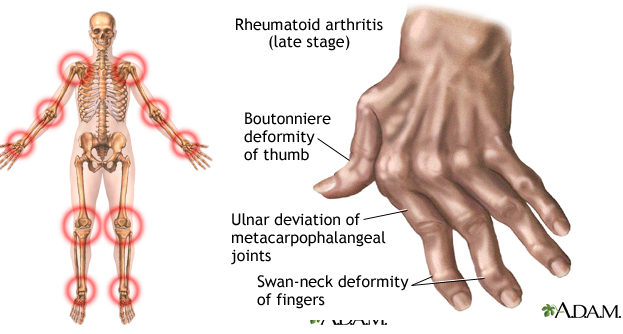
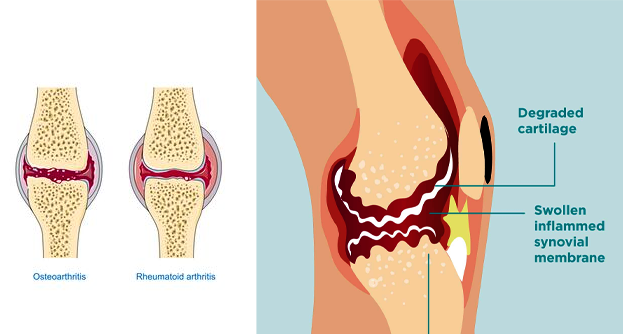
The symptoms of RA and osteoarthritis can overlap, but there are some differences:
Symptoms of Rheumatoid Arthritis (RA):
- Joint pain, swelling, and stiffness, often affecting the hands, wrists, and feet
- Fatigue and weakness
- Morning stiffness that lasts for more than 30 minutes
- Generalized aches and pains throughout the body
- Loss of appetite
- Low-grade fever
- Small, painless nodules beneath the skin, typically on the elbows or fingers
Symptoms of Osteoarthritis:
- Joint pain, stiffness, and decreased range of motion, often affecting the hips, knees, and hands
- Joint tenderness or warmth
- Crunching or popping sensation in the joint
- Bony growths around the affected joint
- Pain that worsens with activity and improves with rest
If you are experiencing joint pain, stiffness, or other symptoms that concern you, it’s important to see a doctor for an accurate diagnosis and appropriate treatment.
What are the causes of rheumatoid disease?
The exact cause of rheumatoid arthritis is not known, but it is believed to be influenced by both genetic and environmental factors. Here are some factors that may contribute to the development of rheumatoid arthritis:
- Genetics: People with a family history of rheumatoid arthritis are at a higher risk of developing the disease. Certain genetic markers may increase the risk of developing RA.
- Environmental factors: Exposure to certain environmental factors, such as smoking, may increase the risk of developing rheumatoid arthritis.
- Infection: In some cases, rheumatoid arthritis may be triggered by an infection, such as a viral or bacterial infection.
- Hormones: Women are more likely than men to develop rheumatoid arthritis, and hormonal factors may play a role in this gender difference.
- Age: Rheumatoid arthritis can occur at any age, but it is most commonly diagnosed in people between the ages of 40 and 60.
It’s important to note that rheumatoid arthritis is a complex disease that may be influenced by a combination of genetic, environmental, and lifestyle factors. If you have symptoms of rheumatoid arthritis, such as joint pain, stiffness, and swelling, it’s important to speak with a healthcare professional for an accurate diagnosis and treatment plan. Early diagnosis and treatment can help manage symptoms and slow the progression of the disease.
What infections trigger rheumatoid arthritis?
some research suggests that certain infections may play a role in triggering the autoimmune response that leads to the development of the disease. Here are some infections that have been associated with an increased risk of developing rheumatoid arthritis:
- Porphyromonas gingivalis: This is a type of bacteria that is commonly associated with gum disease. Studies have shown that people with gum disease caused by Porphyromonas gingivalis are at an increased risk of developing rheumatoid arthritis.
- Epstein-Barr virus (EBV): EBV is a common virus that can cause infectious mononucleosis (mono). Some studies have found that people with a history of mono caused by EBV may be at an increased risk of developing rheumatoid arthritis.
- Hepatitis C virus (HCV): HCV is a virus that can cause liver disease. Some studies have found that people with HCV may be at an increased risk of developing rheumatoid arthritis.
- Chlamydia trachomatis: This is a type of bacteria that can cause sexually transmitted infections. Some studies have found that people with a history of chlamydia infection may be at an increased risk of developing rheumatoid arthritis.
It’s important to note that not all people who are exposed to these infections will develop rheumatoid arthritis, and the relationship between infections and the development of the disease is still being studied.
Can rheumatism be cured?
Currently, there is no known cure for RA or osteoarthritis, but there are many treatments available that can help manage symptoms and improve quality of life. Treatment plans for arthritis usually involve a combination of medications, lifestyle modifications, and physical therapy or other forms of exercise.
Medications used to treat arthritis can include nonsteroidal anti-inflammatory drugs (NSAIDs), disease-modifying antirheumatic drugs (DMARDs), and biologic therapies. These medications can help reduce pain and inflammation, slow joint damage, and improve joint function.

Lifestyle modifications can also be helpful in managing arthritis symptoms. This can include maintaining a healthy weight, exercising regularly (with the guidance of a healthcare provider), practicing good posture and body mechanics, and using assistive devices (such as braces or canes) as needed.
In addition, physical therapy and other forms of exercise can help improve joint mobility, strength, and flexibility, which can reduce pain and improve function.
While there is currently no cure for RA or osteoarthritis, with appropriate treatment and management, many people with arthritis are able to live full and active lives. It’s important to work closely with a healthcare provider to develop a treatment plan that is tailored to your individual needs and goals.
What are the stages of Rheumatoid?
The stages of rheumatoid arthritis are not formally defined, but the disease can be classified into several stages based on its severity and duration. These stages include:
- Early stage: This stage is characterized by the presence of symptoms, such as joint pain, stiffness, and swelling, which may come and go. The symptoms may affect one or more joints, and they may last for weeks or months.
- Moderate stage: In this stage, the symptoms of RA become more persistent, and the inflammation of the joints may cause damage to the bone and cartilage. People with RA may experience fatigue, weight loss, and decreased mobility.
- Severe stage: This stage is characterized by more severe joint damage, loss of mobility, and deformity. People with severe RA may experience significant disability and have difficulty performing daily activities.
- End-stage: This stage occurs when RA has caused irreversible joint damage and deformity, and the affected joints can no longer function. Joint replacement surgery may be necessary at this stage to restore mobility and reduce pain.
Can exercise reverse rheumatoid arthritis?
Exercise can help manage the symptoms of rheumatoid arthritis, but it cannot reverse the condition. Rheumatoid arthritis is a chronic autoimmune disorder that causes inflammation in the joints, leading to pain, stiffness, and swelling. The inflammation can damage the joints over time, and this damage cannot be reversed through exercise alone.

However, regular exercise can help reduce joint pain and stiffness, improve flexibility and range of motion, increase muscle strength, and improve overall physical function. Exercise can also help manage other symptoms of rheumatoid arthritis, such as fatigue and depression.
It is important to consult with a healthcare provider before starting any exercise program, especially if you have rheumatoid arthritis. A healthcare provider can help design a safe and effective exercise program tailored to your individual needs and physical capabilities.
What is the most common complication of rheumatoid arthritis?
Rheumatoid arthritis (RA) is a chronic inflammatory disorder that can affect various parts of the body. As a result, there are several potential complications of rheumatoid arthritis. Here are some of the most common:
- Joint damage: Rheumatoid arthritis can cause joint damage over time, leading to chronic pain, stiffness, and loss of mobility.
- Rheumatoid nodules: These are firm lumps that can develop under the skin in people with rheumatoid arthritis, usually near affected joints.
- Sjögren’s syndrome: This is an autoimmune disorder that can occur in people with rheumatoid arthritis, causing dry eyes and mouth.
- Carpal tunnel syndrome: Rheumatoid arthritis can cause swelling in the wrist, which can compress the median nerve and lead to carpal tunnel syndrome.
- Cardiovascular disease: People with rheumatoid arthritis are at a higher risk of developing cardiovascular disease, including heart attacks and strokes.
- Lung disease: Rheumatoid arthritis can cause inflammation in the lungs, leading to conditions such as interstitial lung disease.

It’s important to note that not all people with rheumatoid arthritis will experience complications, and the severity of the disease can vary from person to person. With appropriate treatment and management, many people with rheumatoid arthritis can manage symptoms and maintain a good quality of life.
6 Foods to Help Beat Rheumatoid Arthritis Inflammation

Here are some foods that may help beat rheumatoid arthritis inflammation:
- Fatty fish: Fatty fish like salmon, mackerel, and sardines are rich in omega-3 fatty acids, which have been shown to reduce inflammation in the body.
- Nuts and seeds: Nuts and seeds like almonds, walnuts, and chia seeds are good sources of healthy fats, antioxidants, and other anti-inflammatory compounds.
- Whole grains: Whole grains like brown rice, quinoa, and whole wheat are high in fiber and other nutrients that can help reduce inflammation.
- Fruits and vegetables: Fruits and vegetables are high in antioxidants and other anti-inflammatory compounds. Some particularly beneficial ones include leafy greens, berries, cherries, and citrus fruits.
- Ginger and turmeric: These spices have anti-inflammatory properties and can be added to meals or brewed into tea.
- Olive oil: Olive oil is a good source of healthy fats and has been shown to have anti-inflammatory effects.
8 Foods to Avoid with Rheumatoid Arthritis

Here are eight foods that people with arthritis may want to limit or avoid:
- Processed and fried foods: Foods that are high in saturated and trans fats, such as processed and fried foods, can increase inflammation in the body.
- Sugar and refined carbs: Sugary drinks and snacks, as well as foods made with refined grains, can also increase inflammation.
- Red meat and high-fat dairy: These foods contain arachidonic acid, which can increase inflammation in the body.
- Salt: High salt intake can contribute to inflammation and may increase the risk of osteoporosis.
- Nightshade vegetables: Some people with arthritis may be sensitive to nightshade vegetables, such as tomatoes, eggplant, and peppers, which can increase inflammation in the body.
- Alcohol: Excessive alcohol consumption can increase inflammation and may interfere with the effectiveness of some arthritis medications.
- Gluten: Some people with arthritis may be sensitive to gluten, which can increase inflammation in the body.
- Processed and packaged foods: These foods often contain preservatives, additives, and other chemicals that can increase inflammation and may contribute to other health problems.
It’s important to note that while limiting these foods may be helpful for some people with arthritis, there is no one-size-fits-all diet for the condition
Living with Rheumatoid arthritis

Living with rheumatoid arthritis (RA) can be challenging, but there are many strategies that can help manage the condition and improve quality of life. Here are some tips for living with rheumatoid arthritis:
- Work with a healthcare professional: Rheumatoid arthritis is a complex disease, and it’s important to work with a healthcare professional who can provide an accurate diagnosis and develop a personalized treatment plan. This may include medications, physical therapy, and lifestyle modifications.
- Stay active: Regular exercise can help manage symptoms of rheumatoid arthritis, such as joint pain and stiffness. It’s important to choose low-impact activities that are gentle on the joints, such as walking, swimming, or yoga.
- Eat a healthy diet: A balanced diet that is rich in anti-inflammatory foods, such as fruits, vegetables, whole grains, and healthy fats, can help manage inflammation in the body and support overall health.
- Manage stress: Stress can trigger or exacerbate symptoms of rheumatoid arthritis. It’s important to find healthy ways to manage stress, such as deep breathing, meditation, or gentle exercise.
- Get enough rest: Fatigue is a common symptom of rheumatoid arthritis. It’s important to get enough rest and prioritize sleep to help manage this symptom.
- Use assistive devices: Assistive devices, such as braces or splints, can help support the joints and reduce pain and stiffness.
- Seek support: Living with rheumatoid arthritis can be isolating. It’s important to seek support from family, friends, or a support group to help manage the emotional and social aspects of the disease.
Living with rheumatoid arthritis requires ongoing management and attention to symptoms and lifestyle factors. With the right strategies and support, it is possible to live a full and active life with rheumatoid arthritis.