
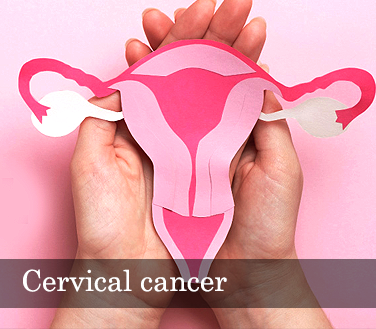
What are signs of Cervical cancer?
Cervical cancer often has no symptoms in its early stages. However, as the cancer grows, some signs and symptoms may develop. These can include:
- Abnormal vaginal bleeding: This may include bleeding after sexual intercourse, between periods, or after menopause.
- Unusual vaginal discharge: This may be watery, thick, or have a foul odor.
- Pelvic pain: This may occur during sexual intercourse or at other times.
- Pain during urination: This may be a sign that the cancer has spread to nearby tissues.
- Changes in bowel habits: This may include constipation or difficulty with bowel movements.
- Swelling of one or both legs: This may be a sign that the cancer has spread to the lymph nodes in the pelvis.
What is the main cause of Cervical cancer?
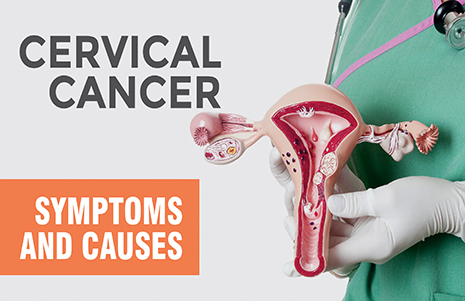
Cervical cancer is most commonly caused by certain types of human papillomavirus (HPV), a sexually transmitted infection. HPV is a group of viruses that can cause changes in the cells of the cervix, which can eventually lead to cancer if left untreated.
Other risk factors that may increase a person’s likelihood of developing cervical cancer include:
- Having a weakened immune system
- Smoking
- Having a family history of cervical cancer
- Having a history of sexually transmitted infections (STIs)
- Having multiple sexual partners
- Starting sexual activity at a young age
- Having a history of giving birth to three or more children
It’s important to note that not everyone who is exposed to HPV will develop cervical cancer, and other factors besides HPV can also play a role in the development of the disease.
What Can I Do to Reduce My Risk of Cervical Cancer?
There are several things you can do to reduce your risk of developing cervical cancer:
- Get the HPV vaccine: The HPV (human papillomavirus) vaccine can help protect against the types of HPV that are most commonly linked to cervical cancer. The vaccine is most effective when given before exposure to HPV, so it is recommended for girls and boys starting at age 11 or 12.
- Get regular Pap tests: Pap tests can detect abnormal cells in the cervix before they turn into cancer. It’s important to follow your healthcare provider’s recommended screening schedule for Pap tests, which may vary based on your age and medical history.
- Practice safe sex: Using condoms during sexual activity can help reduce your risk of HPV and other sexually transmitted infections that can increase your risk of cervical cancer.
- Quit smoking: Smoking is a known risk factor for many types of cancer, including cervical cancer. Quitting smoking can help lower your risk of developing cervical cancer.
- Eat a healthy diet: Eating a balanced diet with plenty of fruits and vegetables may help lower your risk of cervical cancer.
- Limit alcohol consumption: Drinking alcohol can increase your risk of developing cervical cancer. It’s recommended that women limit their alcohol consumption to one drink per day or less.
Can you get HPV vaccine at any age?
Yes, the HPV (human papillomavirus) vaccine can be given at any age, but it is most effective when given before a person is exposed to the virus. The Centers for Disease Control and Prevention (CDC) recommends routine HPV vaccination for females and males starting at age 11 or 12, and for catch-up vaccination for females up to age 26 and for males up to age 21 (or age 26 in some cases).
However, the HPV vaccine may also be recommended for individuals outside of these age ranges, depending on their individual circumstances. For example, individuals who were not previously vaccinated and are at increased risk for HPV infection, such as those who have new sexual partners or who have had a history of abnormal Pap tests, may benefit from getting vaccinated at an older age.
Is cervical cancer more common than uterine cancer?
In general, cervical cancer is more common than uterine cancer. According to the American Cancer Society, cervical cancer is the fourth most common cancer in women worldwide and the fourth most common cause of cancer death in women worldwide. In the United States, an estimated 14,480 new cases of invasive cervical cancer will be diagnosed in 2022.
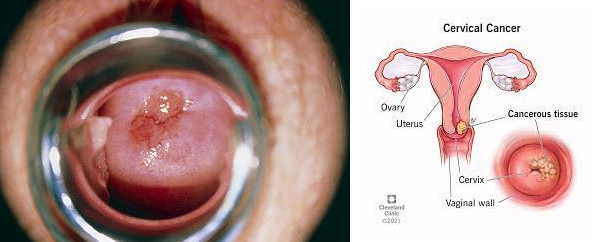
Uterine cancer, on the other hand, is the fourth most common cancer diagnosed in women in the United States and the sixth most common cause of cancer death in women in the United States. An estimated 70,530 new cases of uterine cancer will be diagnosed in 2022 in the United States.
What is the survival rate of Cervical cancer?
According to the American Cancer Society, the 5-year relative survival rate for all stages of cervical cancer combined is approximately 68%. This means that, on average, about 68 out of 100 people with cervical cancer will survive for at least 5 years after diagnosis.
However, the survival rate varies by stage of the cancer. The 5-year relative survival rates by stage are:
- Stage 0: nearly 100%
- Stage I: around 92%
- Stage II: around 63%
- Stage III: around 35%
- Stage IV: around 16%
Treatment for Cervical cancer
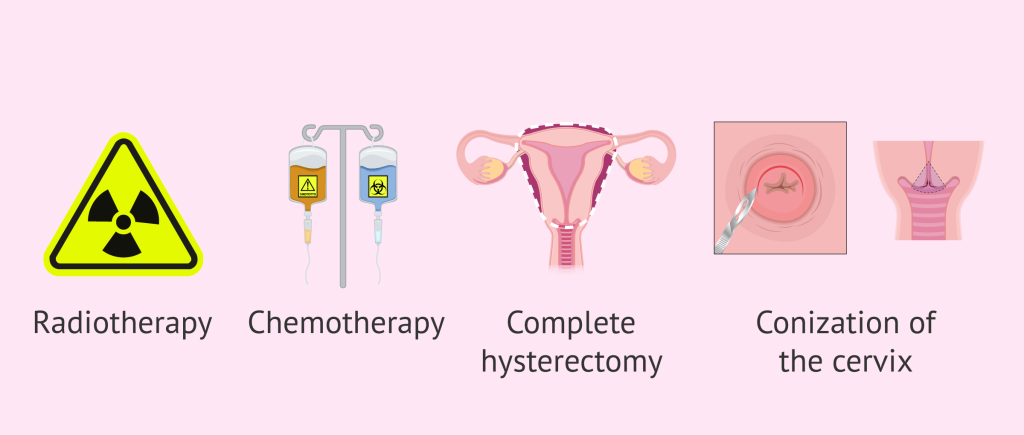
The main treatments for cervical cancer include:
- Surgery: This may involve removing the cancerous tissue from the cervix or the entire uterus, depending on the stage and location of the cancer.
- Radiation therapy: This involves using high-energy radiation to kill cancer cells. Radiation therapy can be given externally, using a machine outside the body, or internally, using radioactive materials placed directly into the cervix.
- Chemotherapy: This involves using drugs to kill cancer cells. Chemotherapy may be given alone or in combination with radiation therapy.
- Targeted therapy: This involves using drugs that target specific proteins or other molecules involved in the growth and spread of cancer cells.
Pain medication for Uterus Cancer
Some common pain medications used to manage pain in uterine cancer patients include:
- Nonsteroidal anti-inflammatory drugs (NSAIDs): such as ibuprofen and naproxen, can be effective for mild to moderate pain.
- Opioids: such as morphine, fentanyl, and oxycodone, are stronger pain medications that may be used for more severe pain.
- Antidepressants: such as amitriptyline, may be prescribed to help manage nerve pain.
- Anticonvulsants: such as gabapentin or pregabalin, may also be prescribed to help manage nerve pain.