

How do you know if you need antidepressants?
if you have been experiencing persistent symptoms of depression for several weeks or more, it may be worth considering seeking the advice of a qualified healthcare professional to determine if antidepressants may be helpful for you.
Some common symptoms of depression may include:
- Feeling sad, empty, or hopeless most of the time
- Losing interest or pleasure in activities you used to enjoy
- Changes in appetite or weight
- Changes in sleep patterns (such as insomnia or sleeping too much)
- Feeling tired or low in energy
- Feeling irritable, restless, or agitated
- Difficulty concentrating or making decisions
- Thoughts of worthlessness, guilt, or self-blame
- Thoughts of suicide or self-harm
It is important to note that not everyone who experiences these symptoms has depression, and some people may have depression without experiencing all of these symptoms. Additionally, depression can also have physical symptoms such as chronic pain or digestive problems.
Types of Antidepressants
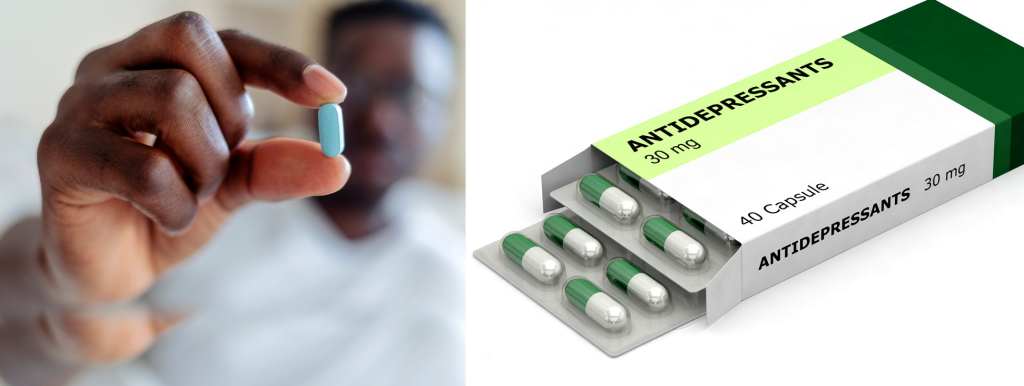
What are the top 5 antidepressants ?
There are several types of antidepressants that are commonly prescribed by doctors. Here are some of the most common ones:
- Selective serotonin reuptake inhibitors (SSRIs): These drugs work by increasing the levels of serotonin in the brain, which helps to regulate mood. Examples of SSRIs include Prozac, Zoloft, and Lexapro.
- Serotonin-norepinephrine reuptake inhibitors (SNRIs): These drugs work by increasing the levels of both serotonin and norepinephrine in the brain. Examples of SNRIs include Effexor, Cymbalta, and Pristiq.
- Tricyclic antidepressants (TCAs): These drugs were among the first antidepressants developed and work by increasing the levels of serotonin and norepinephrine in the brain. Examples of TCAs include amitriptyline and nortriptyline.
- Monoamine oxidase inhibitors (MAOIs): These drugs work by inhibiting the activity of monoamine oxidase, an enzyme that breaks down neurotransmitters like serotonin and norepinephrine. Examples of MAOIs include Nardil and Parnate.
- Atypical antidepressants: These drugs don’t fit into any of the above categories, but can still be effective in treating depression. Examples of atypical antidepressants include Wellbutrin, Remeron, and Trazodone.
Antidepressants Comparison Guide :
1-Selective serotonin reuptake inhibitors (SSRIs):
Effectiveness
Selective serotonin reuptake inhibitors (SSRIs) are a class of medications commonly used to treat depression, anxiety disorders, and other conditions. SSRIs work by increasing the levels of serotonin in the brain, which can improve mood, reduce anxiety, and alleviate symptoms of other conditions.
Studies have shown that SSRIs can be effective in treating depression, particularly in individuals who have not responded to other types of antidepressants. SSRIs may also be effective in treating anxiety disorders, such as generalized anxiety disorder and social anxiety disorder, and may be particularly helpful in individuals who experience both depression and anxiety symptoms.
In addition to their use in treating mental health conditions, SSRIs may also be used to treat other conditions, such as obsessive-compulsive disorder, post-traumatic stress disorder, and premenstrual dysphoric disorder.
Common side effects
- Diarrhea or constipation
- Headache
- Insomnia or drowsiness
- Sweating or flushing
- Sexual dysfunction, such as decreased libido or difficulty achieving orgasm
- Weight gain or loss
- Dry mouth
- Agitation or restlessness
- Increased risk of bleeding
Additionally, SSRIs can interact with other medications or medical conditions, so it is important to inform your healthcare provider of all medications and supplements you are taking before starting SSRI therapy.
2-Serotonin-norepinephrine reuptake inhibitors (SNRIs):
Effectiveness
Serotonin-norepinephrine reuptake inhibitors (SNRIs) are a class of medications that are commonly used to treat depression, anxiety disorders, and chronic pain conditions. SNRIs work by increasing the levels of serotonin and norepinephrine in the brain, which can improve mood, reduce anxiety, and alleviate pain.
Studies have shown that SNRIs can be effective in treating depression, particularly in individuals who have not responded to other types of antidepressants. SNRIs may also be effective in treating anxiety disorders, such as generalized anxiety disorder and social anxiety disorder, and may be particularly helpful in individuals who experience both depression and anxiety symptoms.
SNRIs may also be effective in treating chronic pain conditions such as fibromyalgia, neuropathic pain, and back pain. SNRIs may help alleviate pain by increasing the levels of neurotransmitters in the brain that are involved in pain processing and by reducing inflammation.
Common side effects
These side effects may include:
- Nausea and vomiting
- Dry mouth
- Dizziness or lightheadedness
- Headache
- Insomnia or drowsiness
- Sweating or flushing
- Sexual dysfunction, such as decreased libido or difficulty achieving orgasm
- Constipation or diarrhea
- Weight gain or loss
- Increased heart rate or blood pressure
Additionally, SNRIs can interact with other medications or medical conditions, so it is important to inform your healthcare provider of all medications and supplements you are taking before starting SNRI therapy.
3-Tricyclic antidepressants (TCAs):
Effectiveness
Tricyclic antidepressants (TCAs) have been shown to be effective in treating depression, as well as other conditions such as anxiety, chronic pain, and insomnia. TCAs work by increasing the levels of certain neurotransmitters in the brain, such as norepinephrine and serotonin, which can help improve mood and reduce symptoms of depression.
Studies have shown that TCAs are effective in treating depression in both adults and older adults, and may be particularly helpful for individuals with melancholic or severe depression. TCAs may also be effective in treating chronic pain conditions such as neuropathic pain, migraines, and fibromyalgia.
Common side effects
- Sedation: TCAs can cause drowsiness or fatigue, which may be particularly problematic for individuals who need to drive or operate heavy machinery.
- Dry mouth: TCAs can reduce saliva production, leading to a dry mouth and throat.
- Blurred vision: TCAs can cause blurred vision, difficulty focusing, or sensitivity to light.
- Constipation: TCAs can cause constipation due to their anticholinergic effects.
- Urinary retention: TCAs can cause difficulty urinating or incomplete emptying of the bladder.
- Weight gain: TCAs can cause weight gain due to changes in appetite and metabolism.
Additionally, TCAs can interact with other medications or medical conditions, so it is important to inform your healthcare provider of all medications and supplements you are taking before starting TCA therapy.
4-Monoamine oxidase inhibitors (MAOIs):
Effectiveness
Monoamine oxidase inhibitors (MAOIs) are a class of medications that are used to treat depression, anxiety disorders, and other conditions. MAOIs work by increasing the levels of certain neurotransmitters, such as serotonin, norepinephrine, and dopamine, in the brain.
While MAOIs can be effective in treating depression, they are generally considered second-line or third-line treatments due to their potential for serious side effects and interactions with other medications and certain foods. MAOIs may be particularly helpful for individuals who have not responded to other types of antidepressants, or who experience atypical depression symptoms, such as increased appetite and hypersomnia.
MAOIs can also be effective in treating other conditions, such as panic disorder and social anxiety disorder. However, their use is limited due to their potential for serious side effects and interactions.
Common side effects
These side effects may include:
- Dizziness or lightheadedness
- Dry mouth
- Constipation
- Sexual dysfunction, such as decreased libido or difficulty achieving orgasm
- Insomnia or drowsiness
- Weight gain or loss
- Increased appetite
- Blurred vision or other visual disturbances
- Increased heart rate
- Tremors or muscle stiffness
- Confusion or cognitive impairment
- Hypertensive crisis, a potentially life-threatening condition that can occur if MAOIs are taken with certain foods or medications
Because of the potential for serious side effects and interactions with other medications and certain foods, MAOIs are generally considered second-line or third-line treatments for depression and other conditions.
5-Atypical antidepressants:
Effectiveness
Atypical antidepressants are a class of medications that includes a variety of drugs that work in different ways to treat depression and other mood disorders. These drugs are referred to as « atypical » because they are not classified as tricyclic antidepressants (TCAs), selective serotonin reuptake inhibitors (SSRIs), serotonin-norepinephrine reuptake inhibitors (SNRIs), or monoamine oxidase inhibitors (MAOIs).
The effectiveness of atypical antidepressants can vary depending on the individual and the specific drug being used. Some atypical antidepressants are effective in treating both depression and anxiety disorders, while others may be more effective for specific symptoms or conditions.
For example, bupropion is an atypical antidepressant that is often prescribed to help individuals quit smoking and is also effective in treating depression. It works by increasing the levels of dopamine and norepinephrine in the brain.
Mirtazapine is another atypical antidepressant that is effective in treating depression and has also been used off-label to treat insomnia. It works by increasing the levels of norepinephrine and serotonin in the brain.
Vortioxetine is a newer atypical antidepressant that works by increasing the levels of serotonin in the brain and has been shown to be effective in treating both depression and anxiety.
Common side effects
Atypical antidepressants, like any medication, can have side effects. The specific side effects can vary depending on the medication being used. Here are some common side effects associated with some atypical antidepressants:
- Bupropion: dry mouth, nausea, headache, insomnia, agitation, and increased heart rate.
- Mirtazapine: drowsiness, increased appetite and weight gain, dry mouth, constipation, and dizziness.
- Vortioxetine: nausea, vomiting, diarrhea, constipation, dry mouth, dizziness, and sexual dysfunction.
- Trazodone: drowsiness, dizziness, dry mouth, blurred vision, constipation, and low blood pressure.

What Is The Best First Line Antidepressant?
Selective serotonin reuptake inhibitors (SSRIs) are generally considered the first-line treatment for depression because they are effective, safe, and have fewer side effects compared to other antidepressants. Examples of SSRIs include fluoxetine (Prozac), sertraline (Zoloft), citalopram (Celexa), and escitalopram (Lexapro).
What Is The Best Antidepressant For Energy And Motivation
Bupropion (Wellbutrin) is an antidepressant that is commonly prescribed for its stimulant-like effects. It works by increasing the levels of dopamine and norepinephrine in the brain, which can lead to increased energy and motivation. Bupropion is also used to help with smoking cessation.
Other antidepressants that may have stimulating effects include some selective serotonin reuptake inhibitors (SSRIs) such as fluoxetine (Prozac) and sertraline (Zoloft), as well as some serotonin-norepinephrine reuptake inhibitors (SNRIs) such as venlafaxine (Effexor) and duloxetine (Cymbalta).
Antidepressants for children and teens

Antidepressants can be prescribed for children and teens with depression, but their use must be carefully monitored by a qualified healthcare professional. The FDA has approved some antidepressants for use in children and adolescents, including selective serotonin reuptake inhibitors (SSRIs) such as fluoxetine (Prozac), sertraline (Zoloft), and escitalopram (Lexapro).
However, it is important to note that antidepressants can have potential risks and side effects, especially in children and teens. For example, some studies have suggested that antidepressants may increase the risk of suicidal thoughts and behaviors in children and adolescents. Other possible side effects of antidepressants in children and teens include nausea, headaches, insomnia, and changes in appetite.
15 natural antidepressant plants

There are many natural plants that have been shown to have potential antidepressant effects. Here are 15 natural antidepressant plants:
- St. John’s Wort (Hypericum perforatum): St. John’s Wort is a herb that has been used for centuries as a natural antidepressant. It contains compounds such as hypericin and hyperforin that are believed to have antidepressant effects by increasing the levels of serotonin, dopamine, and noradrenaline in the brain.
- Lavender (Lavandula angustifolia): Lavender is a popular herb known for its relaxing and calming properties. It is believed to have antidepressant effects by reducing anxiety and promoting relaxation.
- Passionflower (Passiflora incarnata): Passionflower is a herb that is commonly used as a natural remedy for anxiety and insomnia. It is believed to have antidepressant effects by increasing the levels of gamma-aminobutyric acid (GABA) in the brain, which promotes relaxation and reduces anxiety.
- Ashwagandha (Withania somnifera): Ashwagandha is an adaptogenic herb that has been used in traditional Ayurvedic medicine for centuries. It is believed to have antidepressant effects by reducing stress and anxiety.
- Rhodiola (Rhodiola rosea): Rhodiola is a herb that has been used in traditional medicine in Russia and Scandinavia for centuries. It is believed to have antidepressant effects by reducing stress and improving mood.
- Ginseng (Panax ginseng): Ginseng is an adaptogenic herb that has been used in traditional Chinese medicine for centuries. It is believed to have antidepressant effects by reducing stress and improving mood.
- Saffron (Crocus sativus): Saffron is a spice that has been used in traditional medicine for centuries. It is believed to have antidepressant effects by increasing the levels of serotonin in the brain.
- Lemon balm (Melissa officinalis): Lemon balm is a herb that is commonly used as a natural remedy for anxiety and insomnia. It is believed to have antidepressant effects by reducing anxiety and promoting relaxation.
- Chamomile (Matricaria chamomilla): Chamomile is a herb that is commonly used as a natural remedy for anxiety and insomnia. It is believed to have antidepressant effects by reducing anxiety and promoting relaxation.
- Kava (Piper methysticum): Kava is a herb that has been used in traditional medicine in the Pacific Islands for centuries. It is believed to have antidepressant effects by reducing anxiety and promoting relaxation.
- Valerian (Valeriana officinalis): Valerian is a herb that is commonly used as a natural remedy for anxiety and insomnia. It is believed to have antidepressant effects by reducing anxiety and promoting relaxation.
- Gotu kola (Centella asiatica): Gotu kola is a herb that has been used in traditional medicine in India, China, and Indonesia for centuries. It is believed to have antidepressant effects by reducing stress and anxiety.
- Holy basil (Ocimum tenuiflorum): Holy basil is a herb that is commonly used in traditional Ayurvedic medicine. It is believed to have antidepressant effects by reducing stress and anxiety.
- Rosemary (Rosmarinus officinalis): Rosemary is a herb that is commonly used in traditional medicine. It is believed to have antidepressant effects by reducing stress and improving mood.
- Ginkgo biloba: Ginkgo biloba is a herb that is commonly used as a natural remedy for cognitive problems. It is believed to have antidepressant effects by improving cognitive function and reducing stress.