

What are the 6 causes of Aphasia?
Aphasia is a language disorder that is caused by damage to the brain, particularly in areas of the brain that are responsible for language processing. The most common cause of aphasia is stroke, which occurs when the blood supply to the brain is interrupted, leading to damage to brain cells. Other possible causes of aphasia include:
- Traumatic brain injury: This can be caused by a blow to the head or a penetrating injury that damages the brain.
- Brain tumors: Tumors can put pressure on areas of the brain and cause damage to brain cells.
- Degenerative brain diseases: Diseases like Alzheimer’s and Parkinson’s can cause damage to areas of the brain responsible for language processing.
- Infections: Certain infections like encephalitis or meningitis can cause inflammation of the brain and lead to damage to brain cells.
- Anoxia: This occurs when the brain is deprived of oxygen, which can be caused by drowning, choking, or other conditions that limit oxygen intake.
- Brain surgery: Surgery on the brain can lead to damage to areas responsible for language processing.
It’s important to note that the specific type and severity of aphasia will depend on the location and extent of the brain damage, as well as other individual factors. Treatment for aphasia will also depend on the underlying cause and may include speech therapy, medication, and other supportive measures.
What are the 6 types of Aphasia?
There are several different types of aphasia, which are typically classified based on the specific language skills that are affected. The most common types of aphasia include:
- Broca’s aphasia: This type of aphasia is also known as non-fluent or expressive aphasia, and is characterized by difficulty producing speech or forming sentences. People with Broca’s aphasia may struggle with grammar and word order, but can often understand language relatively well.
- Wernicke’s aphasia: This type of aphasia is also known as fluent or receptive aphasia, and is characterized by difficulty understanding language, as well as producing coherent speech. People with Wernicke’s aphasia may speak fluently but their language may be nonsensical or filled with errors.
- Global aphasia: This type of aphasia is the most severe and involves significant impairments in both language comprehension and production. People with global aphasia may have difficulty speaking, understanding language, and reading or writing.
- Anomic aphasia: This type of aphasia is characterized by difficulty finding the right words or names for objects or people. People with anomic aphasia may have otherwise good language abilities, but struggle with word-finding.
- Conduction aphasia: This type of aphasia is characterized by difficulty repeating words or phrases, despite being able to understand and produce language. People with conduction aphasia may also have difficulty with word retrieval and may make frequent errors in their speech.
- Transcortical aphasia: This is a less common type of aphasia and is characterized by impairments in language production and comprehension, as well as difficulty with repetition. However, people with transcortical aphasia may have intact abilities in certain aspects of language, such as singing or reciting well-known phrases.
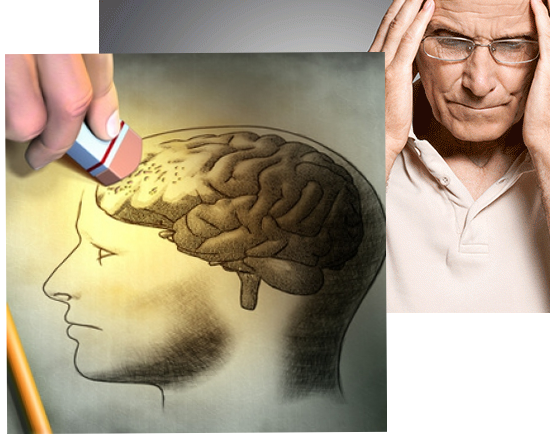
It’s important to note that the specific type and severity of aphasia can vary depending on the location and extent of brain damage, as well as other individual factors. Treatment for aphasia will depend on the underlying type and severity of the condition and may include speech therapy, medication, and other supportive measures.
Can aphasia be temporary?
Yes, aphasia can be temporary in some cases, depending on the underlying cause. For example, if aphasia is caused by a transient ischemic attack (TIA), which is a temporary interruption of blood flow to the brain, the aphasia may resolve on its own once the blood flow is restored. In some cases, aphasia may also be temporary after a traumatic brain injury or a seizure.
However, in most cases, aphasia is a persistent condition that requires ongoing treatment and management. For example, if aphasia is caused by a stroke, the extent and severity of the aphasia may depend on the location and extent of brain damage, and it may take time and ongoing therapy to help the individual recover some or all of their language abilities.
It’s important to seek medical attention if you or a loved one experiences sudden language difficulties or other symptoms of a stroke or other brain injury. Early intervention and treatment can improve outcomes and increase the likelihood of a better recovery.
How does a person with aphasia feel?
A person with aphasia may feel a range of emotions, including frustration, confusion, embarrassment, and isolation. Aphasia can be a frustrating and challenging condition, as it can impact a person’s ability to communicate with others and participate in daily activities. The severity of the condition can vary, and some individuals may be able to communicate effectively in some situations but struggle in others.
People with aphasia may feel embarrassed or self-conscious about their language difficulties, and they may avoid social situations or activities that require communication. This can lead to feelings of isolation and loneliness, as well as depression or anxiety. In some cases, aphasia can also impact a person’s ability to work or perform daily tasks, which can further exacerbate feelings of frustration and isolation.

It’s important for people with aphasia to receive appropriate treatment and support, which can help improve their language abilities and quality of life. Speech therapy, support groups, and other forms of therapy can be helpful for many people with aphasia, and can provide emotional support as well as practical tools for communication. Family members and caregivers can also play an important role in providing support and understanding for individuals with aphasia.
Who is most likely to get aphasia?
Aphasia can affect anyone who experiences damage to the language centers of the brain. However, there are some factors that may increase the likelihood of developing aphasia, including:
- Age: Aphasia is more common in older adults, as the risk of stroke and other brain injuries increases with age.
- Gender: Some studies suggest that men may be more likely than women to experience aphasia.
- Previous strokes or brain injuries: People who have previously experienced strokes or other brain injuries are at higher risk for developing aphasia.
- Family history: There may be a genetic component to some types of aphasia, and a family history of stroke or brain injury can also increase the risk.
- Medical conditions: Certain medical conditions, such as high blood pressure, diabetes, and heart disease, can increase the risk of stroke and other brain injuries that can cause aphasia.
It’s important to note that not everyone with these risk factors will develop aphasia, and some people may develop aphasia without any known risk factors. Treatment for aphasia will depend on the underlying cause and may include speech therapy, medication, and other supportive measures.
Can stress cause aphasia?
Stress can contribute to or exacerbate certain conditions, such as high blood pressure and heart disease, which can increase the risk of stroke and other brain injuries that can cause aphasia. However, stress alone is not typically considered a direct cause of aphasia.
Aphasia is most commonly caused by damage to the language centers of the brain, which can be the result of a stroke, head injury, or other medical condition that affects the brain. In some cases, aphasia may also be caused by a brain tumor or infection, or a degenerative condition such as Alzheimer’s disease.

However, stress can indirectly contribute to the development or exacerbation of certain health conditions, including those that can cause aphasia. For example, chronic stress can increase the risk of high blood pressure, which is a major risk factor for stroke. In addition, stress can also impact overall health and well-being, which can affect brain function and cognitive abilities.
While stress alone is not a direct cause of aphasia, it’s important to manage stress and take steps to maintain overall health and well-being. This can include exercise, meditation or other relaxation techniques, and seeking support from friends, family, or a healthcare provider if needed. Managing underlying health conditions, such as high blood pressure, can also help reduce the risk of stroke and other brain injuries that can cause aphasia.
Can a person recover from aphasia?
Yes, many people with aphasia are able to recover some or all of their language abilities through therapy and other forms of treatment.
The specific course of recovery will depend on the underlying cause and severity of the aphasia, as well as the individual’s overall health and well-being. In general, recovery from aphasia is often a gradual process that requires ongoing effort and support from healthcare providers, family members, and other caregivers.
Speech therapy is the most common treatment for aphasia, and it typically involves working with a speech-language pathologist to improve language skills through a variety of techniques, such as picture naming, word repetition, and conversation practice. In some cases, medication may also be used to treat underlying conditions that contribute to aphasia, such as stroke or brain injury.
The extent of recovery can vary widely from person to person, but many people with aphasia are able to regain some or all of their language abilities over time. Some people may continue to experience some level of language difficulty, even with treatment, but with ongoing support and practice, they can still lead fulfilling and meaningful lives.
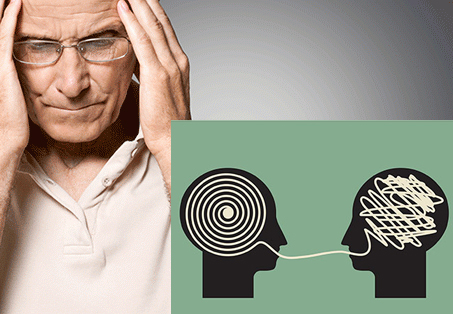
It’s important to work closely with healthcare providers and speech-language pathologists to develop a treatment plan that is tailored to the individual’s needs and goals. With appropriate treatment and support, many people with aphasia are able to make significant progress in regaining their language abilities and improving their overall quality of life.
Does aphasia worsen with age?
Aphasia is not a natural part of the aging process, but the risk of developing aphasia may increase with age. This is because the risk of stroke and other brain injuries that can cause aphasia increases with age.
However, the course of aphasia and its effects on language abilities can vary widely from person to person, and age is not necessarily a predictor of how aphasia will progress.
In some cases, aphasia may improve or even resolve over time, particularly with appropriate treatment and support. In other cases, aphasia may remain stable or even worsen over time, particularly if the underlying condition that caused the aphasia is progressive or degenerative, such as Alzheimer’s disease or other forms of dementia.
It’s important to work closely with healthcare providers and speech-language pathologists to develop a treatment plan that is tailored to the individual’s needs and goals, and to monitor the course of the aphasia over time. With appropriate treatment and support, many people with aphasia are able to make significant progress in regaining their language abilities and improving their overall quality of life, regardless of their age.
Does diet affect aphasia?
While diet is not a direct cause of aphasia, it can have an indirect effect on language function and overall health, which can in turn affect recovery from aphasia.
For example, a diet that is high in saturated fat, salt, and sugar, and low in nutrients such as fruits, vegetables, and whole grains, can increase the risk of stroke and other conditions that can cause aphasia. A diet that is high in salt and sugar can also increase blood pressure and inflammation, which can further increase the risk of stroke and other brain injuries.

Conversely, a diet that is rich in fruits, vegetables, whole grains, and lean protein, and low in processed foods, saturated fat, and added sugars, can help promote overall health and reduce the risk of conditions that can cause aphasia. A diet that is rich in nutrients such as omega-3 fatty acids, antioxidants, and B vitamins may also help promote brain health and cognitive function, which can in turn support recovery from aphasia.
While diet alone is not a cure for aphasia, it is an important part of overall health and well-being, and can support recovery and ongoing management of the condition. It is important to consult with a healthcare provider or registered dietitian to develop a healthy and balanced diet that is tailored to the individual’s needs and goals.
Can someone with aphasia learn to speak again?
Yes, many people with aphasia are able to learn to speak again, or to improve their language abilities, through speech therapy and other forms of treatment.
The specific course of recovery will depend on the underlying cause and severity of the aphasia, as well as the individual’s overall health and well-being. Recovery from aphasia is often a gradual process that requires ongoing effort and support from healthcare providers, family members, and other caregivers.
Speech therapy is the most common treatment for aphasia, and it typically involves working with a speech-language pathologist to improve language skills through a variety of techniques, such as picture naming, word repetition, and conversation practice. In some cases, other forms of therapy, such as music therapy or art therapy, may also be used to help improve communication skills.
With appropriate treatment and support, many people with aphasia are able to make significant progress in regaining their language abilities and improving their overall quality of life. While recovery from aphasia can take time and effort, it is often possible to improve communication skills and regain the ability to speak or to communicate effectively through other means.
What type of aphasia does Bruce Willis suffer from?

Bruce Willis has been diagnosed with Broca’s aphasia, which is a type of nonfluent aphasia. This type of aphasia is caused by damage to the frontal lobe of the brain , and people with this type of aphasia typically have difficulty with speech production, but can still understand speech and know what they want to say . They may be able to understand written language, but may have difficulty with writing.
Does yoga help aphasia?
There is limited research on the use of yoga as a treatment for aphasia, but some studies suggest that yoga may have benefits for improving overall cognitive function, as well as reducing stress and anxiety, which can be helpful for people with aphasia.
Yoga is a mind-body practice that combines physical postures, breathing exercises, and meditation. It has been shown to have a range of health benefits, including improved balance, flexibility, strength, and cardiovascular health. In addition, some studies suggest that yoga may also have benefits for cognitive function, particularly in the areas of attention, memory, and executive function.
While there is limited research specifically on the use of yoga for aphasia, some speech therapists and rehabilitation specialists incorporate yoga as part of a comprehensive treatment plan for people with aphasia. For example, some yoga practices, such as chanting or repeating mantras, may help improve language skills by stimulating the brain’s language centers. Yoga may also help improve overall physical and emotional well-being, which can have positive effects on language function and quality of life.
It’s important to note that yoga should not be used as a sole treatment for aphasia, and it should be used in conjunction with other evidence-based treatments, such as speech therapy and medication. Before beginning any new exercise program, including yoga, it’s important to consult with a healthcare provider to ensure that it is safe and appropriate for your individual needs and abilities.
What foods help aphasia?

While there is no single food that can cure or treat aphasia on its own, there are several types of foods that can help support brain health and cognitive function, which can in turn support recovery from aphasia. Here are some examples of foods that may be helpful:
- Fruits and vegetables: These foods are rich in vitamins, minerals, and antioxidants that help support overall health and reduce inflammation, which can contribute to stroke and other brain injuries that can cause aphasia.
- Whole grains: Whole grains are a good source of fiber, vitamins, and minerals, which help support overall health and brain function.
- Lean protein: Protein is important for building and repairing tissue, including brain tissue. Lean sources of protein such as fish, poultry, beans, and lentils are also rich in nutrients such as omega-3 fatty acids, which are important for brain health.
- Nuts and seeds: Nuts and seeds are a good source of healthy fats, protein, and other nutrients that support brain health and cognitive function.
- Foods rich in B vitamins: B vitamins, including vitamin B6, B9 (folate), and B12, are important for brain health and cognitive function. Foods that are rich in these vitamins include leafy greens, whole grains, nuts, seeds, and fortified cereals.
It’s important to keep in mind that a healthy and balanced diet is just one aspect of overall health and well-being, and should be combined with appropriate medical treatment and therapy for aphasia. It’s also important to consult with a healthcare provider or registered dietitian to develop a healthy and balanced diet that is tailored to the individual’s needs and goals.