

Causes of Migraine Headaches
Here are 10 possible causes of migraine headaches:
- Genetics: As mentioned earlier, individuals with a family history of migraines are at a higher risk of developing the condition.
- Triggers: Certain triggers can set off a migraine, such as stress, lack of sleep, changes in weather, certain foods or drinks, and hormonal changes.
- Hormonal changes: Migraines can be triggered by hormonal fluctuations, particularly in women during menstruation, pregnancy, or menopause.
- Environmental factors: Certain environmental factors can trigger migraines, such as bright lights, loud noises, strong smells, and changes in altitude or air pressure.
- Medications: Certain medications, such as vasodilators and oral contraceptives, can trigger migraines in some individuals.
- Dehydration: Not drinking enough water can cause dehydration, which can trigger migraines.
- Physical activity: Strenuous exercise or other physical activities can trigger migraines in some individuals.
- Sleep disturbances: Lack of sleep or changes in sleep patterns can trigger migraines.
- Emotional triggers: Strong emotions, such as anxiety, depression, or excitement, can trigger migraines in some individuals.
- Neurological factors: Migraines are thought to involve abnormal activity in the brain, such as changes in blood flow, chemical imbalances, and nerve signaling.
Symptoms of Migraine Headaches
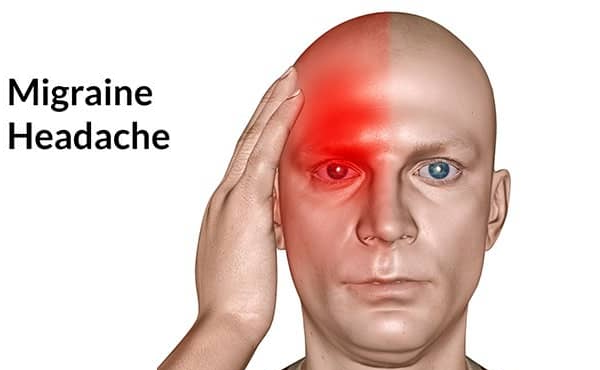
Migraine headaches are a type of headache that can cause severe pain and other symptoms. Here are some common symptoms and types of migraine headaches:
Symptoms:
- Throbbing or pulsating pain on one or both sides of the head
- Sensitivity to light, sound, or smells
- Nausea and vomiting
- Blurred vision or vision loss
- Tingling or numbness in the face or limbs
- Dizziness or vertigo
- Fatigue or weakness
- Difficulty speaking or understanding speech
Types of Migraine:

- Migraine without aura: This is the most common type of migraine headache, and it typically causes moderate to severe pain that can last for several hours or even days.
- Migraine with aura: This type of migraine headache is characterized by visual disturbances, such as flashing lights, zigzag lines, or temporary blindness, that occur before or during the headache.
- Chronic migraine: Chronic migraine is defined as having a headache for more than 15 days per month, for at least three months.
- Menstrual migraine: Menstrual migraine is a type of migraine that occurs in women around the time of their menstrual period.
- Vestibular migraine: Vestibular migraine is a type of migraine that causes vertigo or dizziness, along with other migraine symptoms.
It’s important to note that everyone experiences migraines differently, and symptoms can vary from person to person. If you experience severe or frequent headaches, it’s important to see a healthcare provider for an accurate diagnosis and appropriate treatment.
Treatment of Migraine Headaches
There are several types of medicines that are commonly used to treat migraine headaches. These include:
- Pain relievers: Over-the-counter pain relievers such as aspirin, ibuprofen, and acetaminophen may be effective in treating mild migraines.
- Triptans: Triptans are a class of drugs that specifically target migraines. They work by constricting blood vessels in the brain and reducing inflammation. Triptans are available in various forms, including pills, nasal sprays, and injections.
- Ergotamines: Ergotamines are another class of drugs that can be effective in treating migraines. They work by constricting blood vessels in the brain and reducing inflammation. Ergotamines are available in pill and nasal spray form.
- Anti-nausea medications: Anti-nausea medications, such as metoclopramide and prochlorperazine, can be helpful in relieving symptoms of nausea that often accompany migraines.
- Preventive medications: There are several medications that can be used to prevent migraines from occurring in the first place. These include beta blockers, calcium channel blockers, antidepressants, and anti-seizure medications.
15 Natural Ways to Reduce Migraine Symptoms Migraine Headaches
There are many natural ways to reduce migraine symptoms. Here are 15 options:
- Stay hydrated: Dehydration can trigger migraines, so make sure to drink plenty of water throughout the day.
- Practice relaxation techniques: Stress can be a trigger for migraines, so practicing relaxation techniques such as meditation, deep breathing, or yoga can help reduce stress and prevent migraines.
- Get enough sleep: Lack of sleep can trigger migraines, so make sure to get enough restful sleep each night.
- Exercise regularly: Regular exercise can help reduce the frequency and severity of migraines.
- Apply a cold compress: Applying a cold compress to the head or neck can help reduce the pain and discomfort of a migraine.
- Use essential oils: Certain essential oils, such as lavender or peppermint, can help relieve migraine symptoms when applied topically or diffused into the air.
- Eat a healthy diet: A healthy diet that includes plenty of fruits, vegetables, and lean proteins can help reduce the frequency and severity of migraines.
- Avoid trigger foods: Certain foods, such as processed foods, chocolate, and caffeine, can trigger migraines in some people.
- Limit alcohol intake: Alcohol can trigger migraines in some people, so it’s best to limit your intake or avoid it altogether.
- Practice good posture: Poor posture can put strain on the neck and trigger migraines, so make sure to sit and stand up straight.
- Acupuncture: Acupuncture can help reduce the frequency and severity of migraines for some people.

- Chiropractic care: Chiropractic adjustments can help reduce tension in the neck and reduce the frequency of migraines.
- Massage therapy: Massage therapy can help reduce tension and stress, which can trigger migraines.
- Biofeedback: Biofeedback can help you learn to control your body’s responses to stress and reduce the frequency of migraines.
- Stay consistent: Sticking to a consistent sleep schedule, meal schedule, and exercise routine can help reduce the frequency of migraines.