

Cold sores
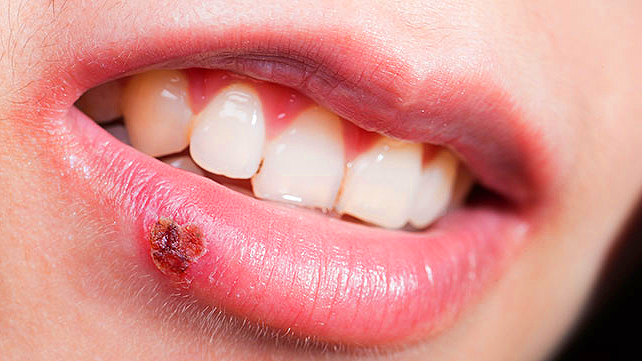
Cold sores are caused by the herpes simplex virus (HSV) and are characterized by small, painful blisters that appear on or around the lips. Here are the symptoms and treatment options for cold sores:
Symptoms:
- Small, fluid-filled blisters on or around the lips or mouth
- Pain, burning or itching sensation in the affected area
- Swelling of the lips or mouth
- Crusting or scabbing over of the blisters as they heal
Treatment:
- Antiviral medications: These can be prescribed by a doctor to reduce the severity and duration of the outbreak. They work best when taken at the first sign of symptoms.
- Over-the-counter creams: These creams can be applied to the affected area to help reduce pain and promote healing.
- Cold compress: Applying a cold, damp cloth or ice pack to the affected area can help reduce swelling and pain.
- Pain relievers: Over-the-counter pain relievers such as ibuprofen or acetaminophen can help reduce pain and fever associated with cold sores.
- Avoiding triggers: Certain triggers can cause outbreaks, such as stress, illness, or sun exposure. Avoiding these triggers can help prevent future outbreaks.
It is important to note that cold sores are highly contagious, and can be spread through close contact with someone who has an active outbreak. It is recommended to avoid kissing or sharing utensils, towels, or other personal items with someone who has a cold sore.
Canker sores

Canker sores, also known as aphthous ulcers, are small, painful sores that develop inside the mouth. Here are the symptoms and treatment options for canker sores:
Symptoms:
- Small, round or oval-shaped sores with a white or yellow center and a red border
- Pain or discomfort in the affected area
- Swelling or inflammation of the affected area
- Difficulty eating, drinking or speaking, especially if the sore is located on the tongue or inside of the cheek
Treatment:
- Topical treatments: Over-the-counter topical treatments, such as gels, creams, or mouthwashes, can be applied directly to the sore to help reduce pain and promote healing. These products may contain ingredients like benzocaine or hydrocortisone.
- Prescription medications: In some cases, a doctor may prescribe a corticosteroid mouth rinse or topical medication to reduce inflammation and promote healing.
- Home remedies: Some people find relief from canker sores by rinsing with salt water, applying a baking soda paste, or using a honey and turmeric mixture.
- Avoiding irritants: Certain foods, such as acidic or spicy foods, can irritate the mouth and trigger canker sores. Avoiding these foods may help prevent future outbreaks.
- Managing stress: Stress can weaken the immune system and increase the risk of canker sores. Practicing stress-reducing techniques, such as meditation or exercise, may help prevent outbreaks.
It is important to note that canker sores are not contagious and typically heal on their own within 1-2 weeks.
Thrush
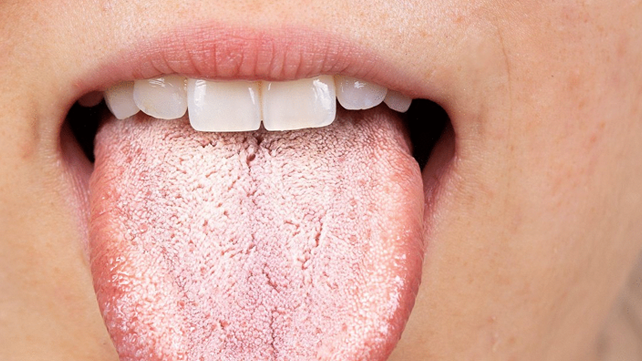
Thrush is a fungal infection caused by the overgrowth of Candida yeast in the mouth. Here are the symptoms and treatment options for thrush:
Symptoms:
- White or yellow patches on the tongue, gums, roof of the mouth, or inside of the cheeks
- Redness or soreness in the affected area
- Difficulty swallowing or a feeling of food getting stuck in the throat
- Loss of taste
- Cracking or bleeding at the corners of the mouth in severe cases
- Creamy or curd-like discharge in the mouth
Treatment:
- Antifungal medications: Antifungal medications, such as clotrimazole or nystatin, are typically prescribed to treat thrush. These medications come in the form of mouthwashes, lozenges, or tablets and work by killing the Candida fungus.
- Oral or topical corticosteroids: If thrush is causing severe discomfort or inflammation, a doctor may prescribe an oral or topical corticosteroid to reduce inflammation and promote healing.
- Home remedies: Rinsing the mouth with saltwater or baking soda solutions can help alleviate symptoms of thrush. Eating unsweetened yogurt with live cultures or taking probiotic supplements may also help rebalance the bacterial environment in the mouth.
- Treating underlying conditions: Thrush can be a symptom of an underlying condition, such as diabetes or a weakened immune system. Treating these underlying conditions may help prevent future outbreaks of thrush.
It is important to seek medical attention if you suspect you have thrush, especially if you have a weakened immune system or are experiencing severe symptoms. Untreated thrush can spread to other parts of the body and lead to more serious complications.
Gingivitis
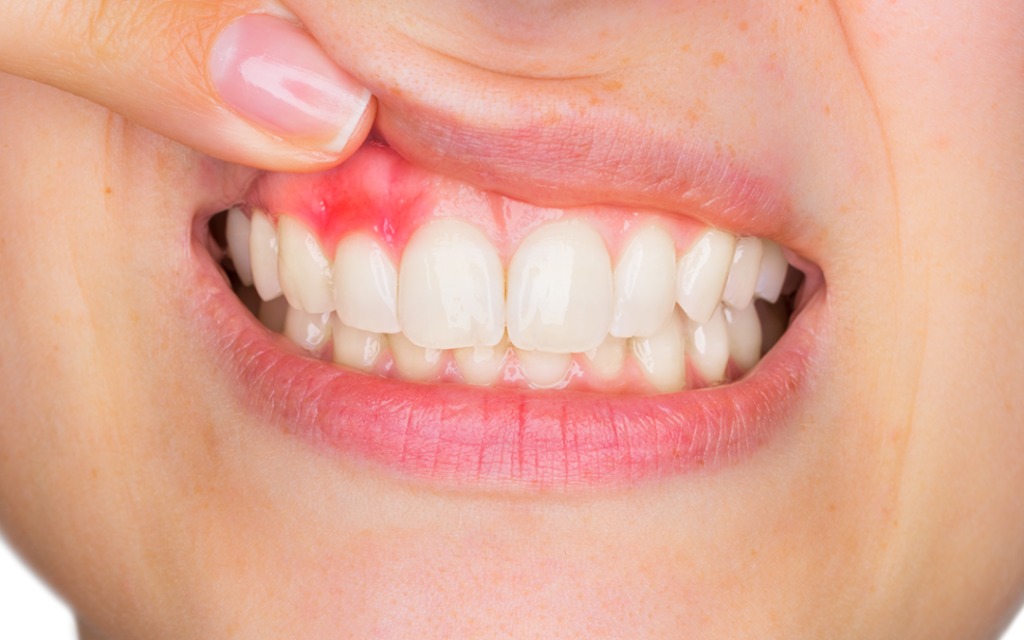
Gingivitis is a common form of gum disease characterized by inflammation of the gums. Here are the symptoms and treatment options for gingivitis:
Symptoms:
- Red, swollen or tender gums
- Bleeding gums when brushing or flossing
- Bad breath or a bad taste in the mouth
- Receding gums or teeth that appear longer than normal
- Changes in the way teeth fit together when biting down
Treatment:
- Improved oral hygiene: The most common treatment for gingivitis is improving oral hygiene habits. This includes brushing teeth twice a day, flossing daily, and using an antiseptic mouthwash. Regular dental cleanings may also be necessary to remove tartar buildup and bacteria.
- Scaling and root planing: If the gingivitis has progressed to a more severe stage, a dentist or periodontist may perform a deep cleaning procedure known as scaling and root planing. This involves removing tartar and bacteria from the teeth and smoothing out the roots to promote gum reattachment.
- Medications: In some cases, a dentist may prescribe an antibiotic or antiseptic mouthwash to help reduce inflammation and bacteria.
- Lifestyle changes: Certain lifestyle changes, such as quitting smoking, maintaining a healthy diet, and reducing stress, may also help improve gum health and prevent gingivitis.
If left untreated, gingivitis can progress to a more severe form of gum disease called periodontitis, which can cause irreversible damage to the gums and bone structure supporting the teeth. It is important to seek treatment for gingivitis as early as possible to prevent further complications.
Periodontitis

Periodontitis is a more advanced form of gum disease characterized by inflammation of the gums and damage to the bone and tissue supporting the teeth. Here are the symptoms and treatment options for periodontitis:
Symptoms:
- Persistent bad breath or bad taste in the mouth
- Red, swollen, or tender gums
- Receding gums or gums that pull away from the teeth
- Loose or shifting teeth
- Changes in the way teeth fit together when biting down
- Pus between the teeth and gums
- Changes in the alignment or appearance of the teeth
Treatment:
- Scaling and root planing: Scaling and root planing is a deep cleaning procedure performed by a dentist or periodontist to remove tartar and bacteria from the teeth and smooth out the roots to promote gum reattachment. This may be done in conjunction with antibiotics to help kill bacteria.
- Periodontal surgery: In more severe cases of periodontitis, surgical intervention may be necessary. This may include procedures such as pocket reduction surgery, bone grafts, or soft tissue grafts to help restore the structure and function of the gums and bone supporting the teeth.
- Medications: In addition to antibiotics, other medications such as antiseptic mouthwashes or enzyme suppressants may be prescribed to help control bacteria and reduce inflammation.
- Lifestyle changes: Quitting smoking, maintaining good oral hygiene habits, and eating a healthy diet can help improve overall gum health and prevent further progression of periodontitis.
It is important to seek treatment for periodontitis as soon as possible to prevent further damage to the teeth and gums. If left untreated, periodontitis can lead to tooth loss and other serious health problems, such as heart disease and diabetes.
Oral herpes

Oral herpes, also known as cold sores or fever blisters, is a viral infection caused by the herpes simplex virus. Here are the symptoms and treatment options for oral herpes:
Symptoms:
- Pain, tingling, or burning sensation around the mouth or lips
- Small, fluid-filled blisters that may appear on the lips, mouth, gums, tongue, or throat
- Itching or irritation in the affected area
- Swollen or tender lymph nodes in the neck or other areas of the body
- Flu-like symptoms, such as fever, headache, and fatigue
Treatment:
- Antiviral medications: Antiviral medications, such as acyclovir, famciclovir, or valacyclovir, can be prescribed to treat oral herpes. These medications work by slowing down the growth and spread of the virus, reducing the severity and duration of symptoms.
- Pain relievers: Over-the-counter pain relievers, such as ibuprofen or acetaminophen, can help alleviate the pain and discomfort associated with oral herpes.
- Topical creams or ointments: Topical creams or ointments, such as lidocaine or benzocaine, may be applied to the affected area to provide temporary relief from pain and itching.
- Home remedies: Applying a cold, damp cloth or ice pack to the affected area may help reduce inflammation and ease symptoms. Avoiding acidic or spicy foods and drinks may also help prevent further irritation of the blisters.
It is important to avoid close contact with others while experiencing an outbreak of oral herpes to prevent the spread of the virus. Oral herpes is a highly contagious virus that can be easily spread through kissing, sharing utensils or drinking glasses, or engaging in oral sex. While there is no cure for oral herpes, treatment can help alleviate symptoms and reduce the frequency and severity of outbreaks.
Oral thrush
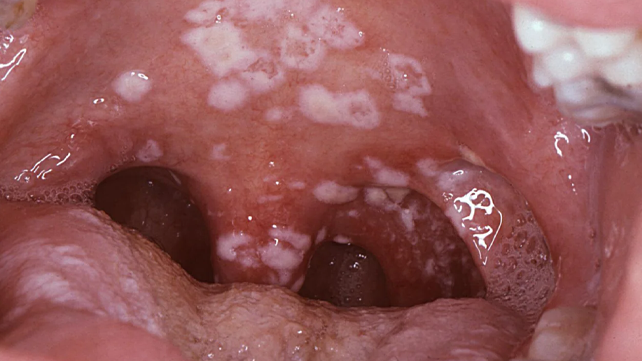
Oral thrush, also known as oral candidiasis, is a fungal infection of the mouth caused by the overgrowth of a yeast-like fungus called Candida. Here are the symptoms and treatment options for oral thrush:
Symptoms:
- White, creamy or yellowish patches on the tongue, inner cheeks, gums, tonsils, or roof of the mouth
- Redness or soreness in the affected area
- Difficulty swallowing or a feeling of a « lump » in the throat
- Loss of taste or a bitter or metallic taste in the mouth
- Cracking or redness at the corners of the mouth
- Cotton-like feeling in the mouth
Treatment:
- Antifungal medications: Antifungal medications, such as nystatin, fluconazole, or clotrimazole, may be prescribed to treat oral thrush. These medications work by killing the fungus or slowing down its growth, reducing the severity and duration of symptoms.
- Mouth rinses: Antifungal mouth rinses, such as chlorhexidine, may be used to help reduce the growth of the fungus and promote healing of the affected area.
- Oral gels or lozenges: Antifungal oral gels or lozenges, such as miconazole or clotrimazole, may be used to treat mild cases of oral thrush.
- Proper oral hygiene: Maintaining good oral hygiene, including brushing twice a day, flossing daily, and rinsing with an antiseptic mouthwash, may help prevent the growth of the fungus and promote healing.
- Treating underlying medical conditions: Treating underlying medical conditions, such as diabetes or HIV, may help prevent the recurrence of oral thrush.
It is important to seek treatment for oral thrush as soon as possible to prevent further complications, especially in people with weakened immune systems or underlying medical conditions. If left untreated, oral thrush can spread to other parts of the body and lead to more serious infections.
Leukoplakia
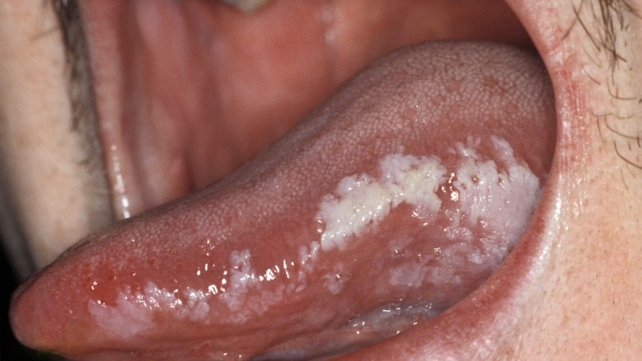
Leukoplakia is a condition characterized by white or gray patches that develop on the tongue, gums, or inner cheeks. Here are the symptoms and treatment options for leukoplakia:
Symptoms:
- White or gray patches on the tongue, gums, or inner cheeks
- Thickened, rough, or hardened patches
- Painful or sensitive patches
- Redness or swelling in the affected area
- Difficulty swallowing or chewing
Treatment:
- Removal of irritants: If leukoplakia is caused by irritation from tobacco, alcohol, or other irritants, removing the source of irritation may help reduce the severity or eliminate the patches altogether.
- Medications: Topical medications, such as retinoids or bleomycin, may be prescribed to help reduce the size or thickness of the patches. In severe cases, oral medications or corticosteroids may be prescribed.
- Surgery: In some cases, surgery may be necessary to remove the patches or the affected area, especially if there is a risk of cancer.
- Regular follow-up: People with leukoplakia should be monitored regularly to ensure that the patches do not become cancerous.
It is important to seek medical attention if you notice any unusual patches or sores in your mouth, especially if they do not go away on their own after a few weeks. While leukoplakia is usually harmless, it can sometimes be a precursor to oral cancer, so early detection and treatment are important. Additionally, avoiding tobacco and alcohol use and practicing good oral hygiene can help prevent the development of leukoplakia.
Oral cancer

Oral cancer is a type of cancer that develops in the tissues of the mouth or throat. Here are the symptoms and treatment options for oral cancer:
Symptoms:
- Sores or ulcers that do not heal
- Red or white patches in the mouth or on the lips
- Pain or discomfort in the mouth or throat
- Difficulty chewing or swallowing
- A lump or thickening in the cheek, tongue, or throat
- Changes in speech, such as hoarseness or slurred speech
- Numbness or pain in the mouth or lips
- Swelling or bleeding in the mouth
Treatment:
- Surgery: Surgery is often the first treatment for oral cancer. The goal of surgery is to remove the tumor and any affected tissues, such as lymph nodes or parts of the jawbone.
- Radiation therapy: Radiation therapy uses high-energy beams to kill cancer cells. It may be used alone or in combination with surgery.
- Chemotherapy: Chemotherapy uses drugs to kill cancer cells. It may be used alone or in combination with radiation therapy or surgery.
- Immunotherapy: Immunotherapy is a newer type of cancer treatment that helps the body’s immune system fight cancer cells.
- Palliative care: Palliative care may be used to help manage symptoms and improve quality of life for people with advanced or metastatic oral cancer.
It is important to seek medical attention if you notice any unusual changes in your mouth or throat, especially if they last for more than a few weeks. Early detection and treatment of oral cancer can improve the chances of a successful outcome. Additionally, avoiding tobacco and excessive alcohol consumption and practicing good oral hygiene can help reduce the risk of developing oral cancer.
https://fomny-tv.com/alouette-link-1.pdf
https://fomny-tv.com/alouette-link-3.pdf
https://fomny-tv.com/alouette.ma-link-2.pdf
https://fomny-tv.com/alouette1.pdf
https://fomny-tv.com/alouette2.pdf