

Causes of Proctitis
The most common causes of proctitis. To expand on each:
A. Bacterial Infections: Bacteria such as Chlamydia trachomatis, Neisseria gonorrhoeae, and Escherichia coli can cause proctitis.
B. Viral Infections: Viruses such as herpes simplex virus, cytomegalovirus, and human papillomavirus (HPV) can cause proctitis.
C. Parasitic Infections: Parasites such as Entamoeba histolytica, Giardia lamblia, and Cryptosporidium can cause proctitis.
D. Sexually Transmitted Infections: STIs such as gonorrhea, chlamydia, and syphilis can cause proctitis. Anal sex can increase the risk of developing proctitis from an STI.
E. Radiation Therapy: Radiation therapy for prostate or rectal cancer can cause proctitis as a side effect.
F. Inflammatory Bowel Disease: Proctitis can also be a symptom of inflammatory bowel diseases (IBD) such as ulcerative colitis and Crohn’s disease, where the immune system mistakenly attacks the digestive tract.
Symptoms of Proctitis

those are some common symptoms of proctitis. To elaborate on each:
A. Rectal pain: Pain in the rectum can be a common symptom of proctitis, especially during bowel movements or when sitting.
B. Rectal bleeding: Proctitis can cause bleeding from the rectum, which may be visible on toilet paper or in the toilet bowl after a bowel movement.
C. Diarrhea: Inflammation of the rectum can cause diarrhea, which may be accompanied by urgency to defecate.
D. Constipation: In some cases, proctitis can cause constipation, especially if the inflammation affects the anal sphincter muscles.
E. Rectal discharge: Proctitis can cause a discharge of mucus or pus from the rectum.
F. Urgency to defecate: Proctitis can cause a frequent and sudden urge to have a bowel movement.
G. Difficulty defecating: Inflammation of the rectum can make it difficult to pass stool, leading to straining or incomplete bowel movements.
H. Incontinence: Proctitis can cause loss of bowel control, leading to involuntary leakage of stool or gas.
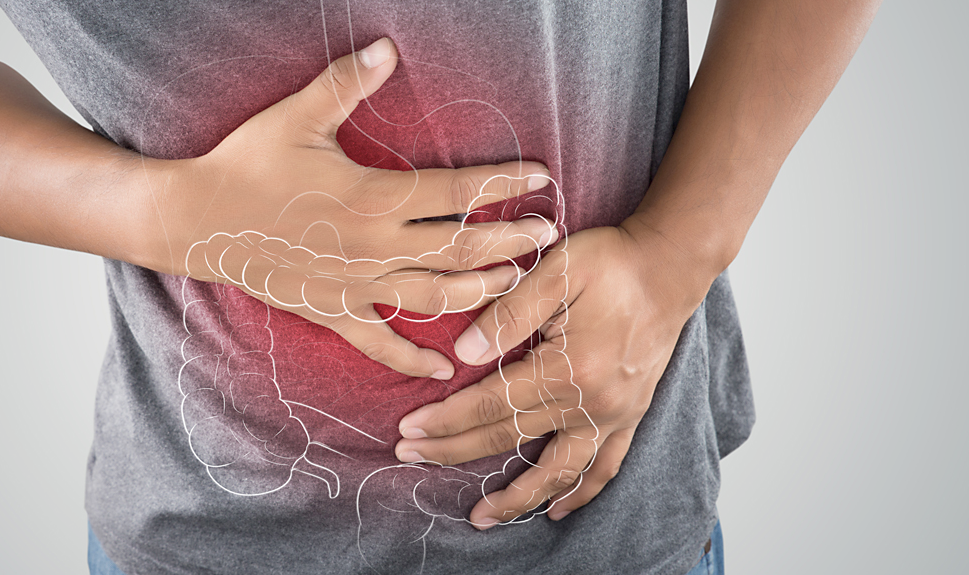
I. Fatigue: Chronic proctitis can cause fatigue and weakness, especially if it is associated with inflammatory bowel disease.
J. Fever: In some cases, proctitis can cause fever, especially if it is caused by a bacterial or viral infection.
Treatment of Proctitis

Some common treatment options for proctitis. To elaborate on each:
A. Antibiotics: If proctitis is caused by a bacterial infection, antibiotics may be prescribed to treat the infection and reduce inflammation. The specific type of antibiotic prescribed will depend on the type of bacteria causing the infection.
B. Antiviral Medications: If proctitis is caused by a viral infection, antiviral medications may be prescribed to reduce inflammation and symptoms. These medications may also help to prevent the virus from spreading to other parts of the body.
C. Antiparasitic Medications: If proctitis is caused by a parasitic infection, antiparasitic medications may be prescribed to kill the parasites and reduce inflammation.
D. Anti-inflammatory Medications: Anti-inflammatory medications, such as corticosteroids, can help to reduce inflammation and relieve symptoms of proctitis. These medications can be given as topical creams or ointments, or taken orally.
E. Surgery: In severe cases of proctitis that do not respond to other treatments, surgery may be necessary. Surgery may involve removal of the rectum or colon, or the creation of a colostomy or ileostomy to divert stool away from the rectum.
Natural Remedies for Proctitis

These are some natural remedies that may help alleviate symptoms of proctitis. To elaborate on each:
A. Probiotics: Probiotics are live bacteria and yeasts that are good for digestive health. Some studies suggest that taking probiotics may help to reduce inflammation in the gut and alleviate symptoms of proctitis.
B. Aloe Vera: Aloe vera has anti-inflammatory properties and may help to reduce inflammation and promote healing in the gut. Aloe vera can be taken orally or applied topically to the affected area.
C. Chamomile: Chamomile has anti-inflammatory and anti-spasmodic properties, which may help to reduce inflammation and relieve pain and cramping associated with proctitis. Chamomile can be taken as a tea or applied topically to the affected area.
D. Coconut oil: Coconut oil has antimicrobial and anti-inflammatory properties, which may help to reduce inflammation and fight off infections that can cause proctitis. Coconut oil can be taken orally or applied topically to the affected area.
E. Turmeric: Turmeric contains a compound called curcumin, which has anti-inflammatory properties and may help to reduce inflammation and alleviate symptoms of proctitis. Turmeric can be taken as a supplement or added to food as a spice.
How do you prevent proctitis?
there are some steps you can take to reduce your risk:
- Practice safe sex: Proctitis can be caused by sexually transmitted infections (STIs), so using condoms during sex and getting tested regularly for STIs can help to reduce your risk.
- Maintain good hygiene: Keeping the anal area clean can help to prevent infections that can lead to proctitis. This includes washing with warm water and mild soap after bowel movements, and avoiding harsh soaps and perfumes that can irritate the skin.
- Eat a healthy diet: Eating a diet that is rich in fruits, vegetables, whole grains, and lean protein can help to support a healthy gut and reduce inflammation.
- Stay hydrated: Drinking plenty of water and other fluids can help to keep the stool soft and prevent constipation, which can contribute to proctitis.
- Manage stress: Chronic stress can weaken the immune system and increase inflammation in the body, so practicing stress-reducing techniques like meditation, yoga, or deep breathing can help to support overall health and reduce the risk of proctitis.