

What are the 10 early warning signs of liver cancer?
Some of the early warning signs of liver cancer can include:
- Abdominal pain or discomfort: Liver cancer can cause pain or discomfort in the upper right side of the abdomen. The pain may be a dull ache or a sharp, stabbing pain.
- Unexplained weight loss: If you are losing weight without trying, it could be a sign of liver cancer. This is because cancer cells can use up a lot of the body’s energy.
- Loss of appetite: Liver cancer can cause a decrease in appetite, which can lead to unintended weight loss.
- Nausea and vomiting: Liver cancer can cause nausea and vomiting, which can be caused by the cancer itself or by the treatment.
- Fatigue and weakness: Feeling tired and weak can be a sign of liver cancer. This is because cancer cells can use up a lot of the body’s energy.
- Jaundice: Jaundice is a yellowing of the skin and eyes that occurs when the liver is not functioning properly. It can be a sign of liver cancer.
- Swelling in the abdomen or legs: Liver cancer can cause fluid to build up in the abdomen or legs, leading to swelling.
- Itchy skin: Liver cancer can cause the skin to become itchy, which can be a sign of liver failure.
- Pale or clay-colored stools: Stools that are pale or clay-colored can be a sign of liver cancer. This is because the liver produces a substance called bile that gives stool its brown color.
- Dark urine: Dark urine can be a sign of liver cancer. This is because the liver produces a substance called bilirubin that gives urine its yellow color. When the liver is not functioning properly, bilirubin can build up in the blood and urine, causing it to become dark.
What is the main cause of liver cancer?
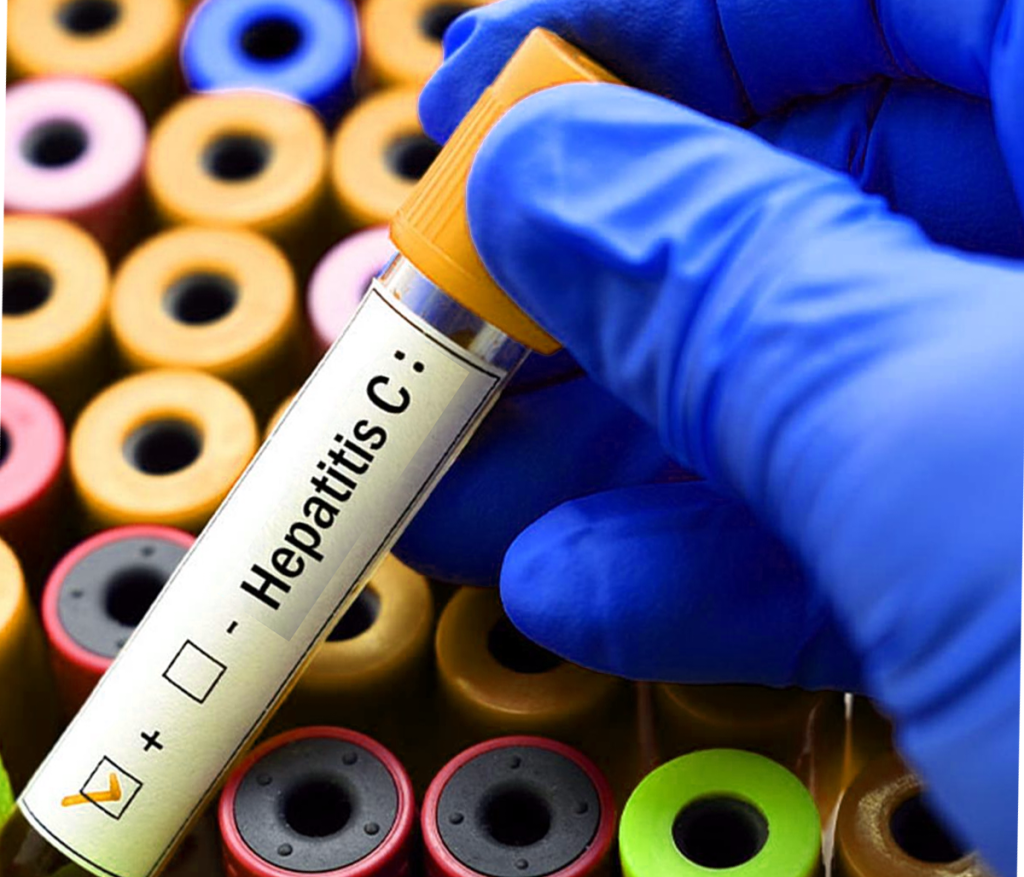
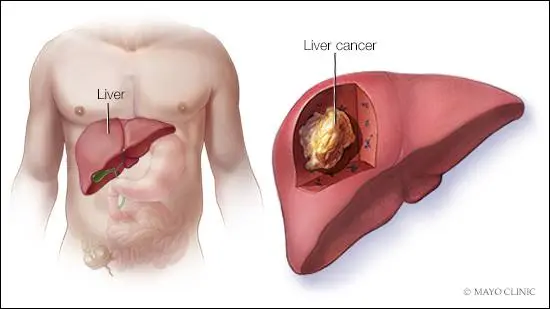
Liver cancer, also known as hepatocellular carcinoma, is a type of cancer that begins in the liver cells. There are several factors that can contribute to the development of liver cancer, but the main cause is chronic liver disease.
Chronic liver disease can be caused by several factors, including long-term alcohol consumption, chronic viral hepatitis (particularly hepatitis B and C), obesity, and non-alcoholic fatty liver disease. These conditions can cause inflammation and scarring of the liver, which can increase the risk of liver cancer.
Other risk factors for liver cancer include exposure to certain chemicals and toxins, such as aflatoxins (a type of mold that can contaminate food), diabetes, and certain genetic conditions.
Can liver cancer be prevented?
The following measures can help prevent liver cancer:
- Control hepatitis infection: Chronic hepatitis B and C infections are the leading cause of liver cancer. Taking preventive measures to avoid getting these infections, such as getting vaccinated for hepatitis B or avoiding contact with infected blood or body fluids, can reduce the risk of developing liver cancer.
- Limit alcohol consumption: Excessive alcohol consumption can damage liver cells and increase the risk of liver cancer. Limiting alcohol intake or avoiding alcohol altogether can reduce the risk of developing liver cancer.
- Maintain a healthy weight: Obesity and being overweight can increase the risk of developing liver cancer. Maintaining a healthy weight through regular exercise and a balanced diet can help reduce the risk.
- Avoid exposure to toxins: Exposure to certain toxins such as aflatoxins, which can be found in contaminated food products, can increase the risk of liver cancer. Avoiding exposure to such toxins can help reduce the risk.
- Regular medical check-ups: Regular medical check-ups can help detect liver cancer at an early stage, when it is more treatable. If you have a family history of liver cancer or other risk factors, you should consult your doctor for regular check-ups and screening tests.
How long can you live with liver cancer?
According to the American Cancer Society, the 5-year survival rate for liver cancer is approximately 20%, which means that about 20% of people with liver cancer will still be alive 5 years after diagnosis. However, this statistic is an average and does not take into account individual differences.
For early-stage liver cancer, where the cancer is localized and has not spread to other organs, the 5-year survival rate is higher, with some studies reporting rates of up to 70-80%. However, for advanced liver cancer, where the cancer has spread to other parts of the body or cannot be treated with surgery, the 5-year survival rate is much lower, with many patients surviving less than a year.
It’s essential to remember that statistics are generalizations, and individual experiences may vary widely.
What are the 4 phases of Liver cancer?
The progression of liver cancer can be divided into four stages, based on the size and extent of the tumor, whether it has spread to nearby lymph nodes or other organs, and whether it has metastasized (spread) to distant parts of the body.
The stages of liver cancer are as follows:
Stage 1: At this stage, the tumor is still small and has not spread beyond the liver. This is further divided into Stage 1A and Stage 1B, depending on the size and location of the tumor.
Stage 2: At this stage, the tumor has grown larger and may have spread to nearby blood vessels or lymph nodes. This is further divided into Stage 2A and Stage 2B, depending on the extent of the tumor and whether it has spread to nearby lymph nodes.
Stage 3: At this stage, the tumor has grown even larger and has spread to nearby organs or blood vessels, but has not yet spread to distant parts of the body. This is further divided into Stage 3A and Stage 3B, depending on the extent of the tumor and whether it has spread to nearby lymph nodes.
Stage 4: At this stage, the cancer has spread to distant organs or tissues, such as the lungs or bones, through the bloodstream or lymphatic system. This is also called metastatic liver cancer.
The stage of liver cancer is an important factor in determining the appropriate treatment options and predicting the prognosis (outlook) for the patient.
Treatment for Liver cancer
The main treatment options for liver cancer include:
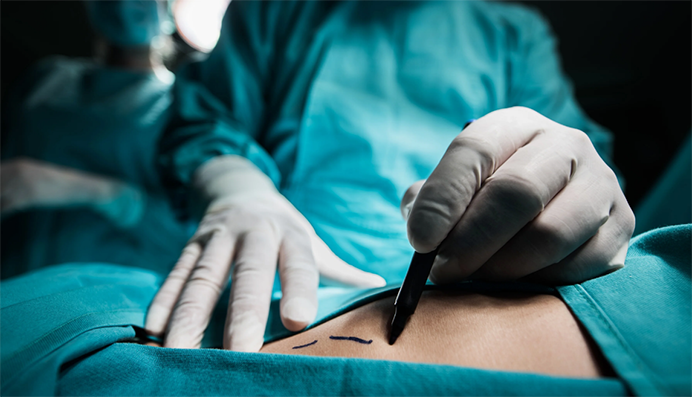
- Surgery: Surgery is often the first-line treatment for liver cancer. The surgeon may remove the tumor along with a portion of healthy liver tissue (partial hepatectomy), or remove the entire liver (liver transplant) in cases where the cancer has not spread beyond the liver and the patient is a suitable candidate for a transplant.
- Radiation therapy: Radiation therapy uses high-energy beams to kill cancer cells. It may be used alone or in combination with other treatments.
- Ablation therapy: This involves destroying the tumor using heat, cold, or other methods. Ablation therapy can be used for small tumors that cannot be removed by surgery.
- Embolization: This is a procedure that blocks the blood supply to the tumor, which can cause it to shrink or die. Embolization can be used to treat tumors that cannot be removed by surgery.
- Chemotherapy: Chemotherapy uses drugs to kill cancer cells. It may be used alone or in combination with other treatments.
- Targeted therapy: This is a newer type of treatment that uses drugs that specifically target the cancer cells. Targeted therapy may be used alone or in combination with other treatments.
- Immunotherapy: This is a type of treatment that helps the body’s immune system to fight cancer. Immunotherapy may be used alone or in combination with other treatments.
What is the final stages of liver cancer?
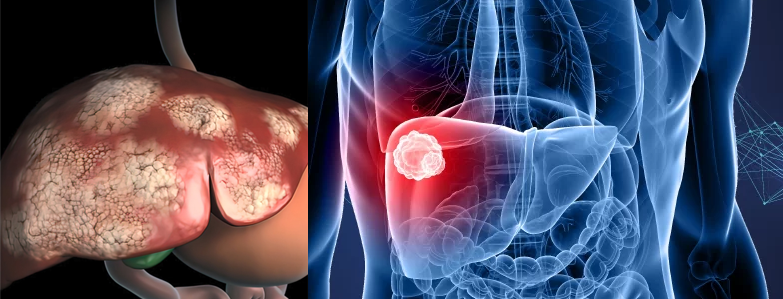
The final stages of liver cancer refer to the advanced stages of the disease, where the cancer has spread to other parts of the body or has progressed to the point where it is no longer responsive to treatment. The symptoms and signs of the final stages of liver cancer can vary from person to person, but some common ones include:
- Jaundice: Yellowing of the skin and eyes due to a buildup of bilirubin in the blood, which occurs when the liver cannot process it.
- Abdominal swelling: Ascites, a buildup of fluid in the abdomen, can occur due to the liver’s inability to remove excess fluid from the body.
- Weight loss: As the cancer progresses, the body may begin to lose weight due to a loss of appetite, difficulty eating, or a decrease in nutrient absorption.
- Fatigue: As the body uses energy to fight cancer, a person may feel exhausted and experience a loss of energy.
- Pain: Pain in the abdomen, back, or bones may occur as the cancer spreads to other parts of the body.
- Confusion and cognitive changes: The buildup of toxins in the body due to the liver’s inability to function properly can lead to confusion, cognitive changes, and even coma.
Pain medication for liver cancer

In general, pain medication can be classified into two main categories: non-opioid and opioid medications.
Non-opioid medications such as acetaminophen (Tylenol) and nonsteroidal anti-inflammatory drugs (NSAIDs) like ibuprofen and naproxen can be used to manage mild to moderate pain. These medications work by blocking pain signals in the body and reducing inflammation. However, it’s important to use these medications carefully and follow the recommended dosages, as they can have side effects on the liver, particularly in patients with liver disease.
Opioid medications such as morphine, fentanyl, and oxycodone can be used to manage moderate to severe pain. These medications work by binding to opioid receptors in the body and blocking pain signals. Opioids can have side effects such as constipation, nausea, dizziness, and respiratory depression, and their use requires careful monitoring by a healthcare professional.