
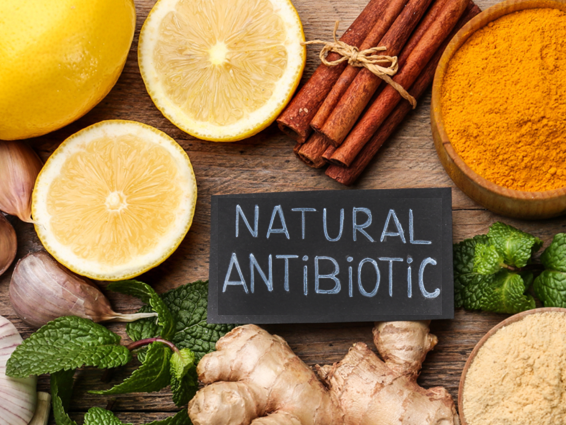
While some natural substances may have antibiotic properties, it’s important to note that they are not a substitute for prescription antibiotics when needed. It’s always recommended to seek the advice of a healthcare professional for proper diagnosis and treatment of bacterial infections.
With that said, here are 20 natural substances that have been suggested to have potential antibiotic properties:
1.Garlic
Garlic is a natural ingredient that has been used for medicinal purposes for thousands of years. It has antimicrobial properties, which means it can help fight against certain bacteria, viruses, and fungi. Some research has suggested that garlic may have antibiotic properties, but the evidence is not strong enough to conclude that garlic is a reliable replacement for conventional antibiotics.
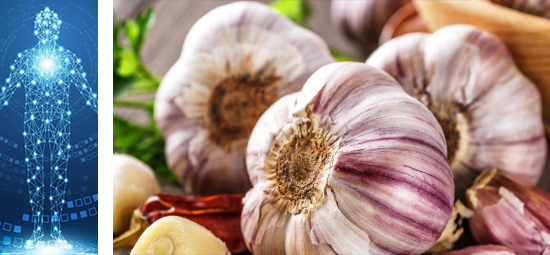
There have been several studies that have investigated the potential antibiotic properties of garlic. Some of these studies have found that garlic can inhibit the growth of certain bacteria, including those that are resistant to conventional antibiotics.
Here are some of the potential health benefits of garlic:
- Immune system support: Garlic has been shown to stimulate the immune system and help the body fight off infections.
- Heart health: Garlic has been shown to help lower blood pressure and cholesterol levels, which can reduce the risk of heart disease.
- Anti-inflammatory properties: Garlic contains compounds that can help reduce inflammation in the body, which may be beneficial for people with conditions such as rheumatoid arthritis.
- Antioxidant effects: Garlic is a good source of antioxidants, which can help protect the body against damage from free radicals.
- Cancer prevention: Some studies have suggested that garlic may have anti-cancer properties, although more research is needed in this area.
- Improved athletic performance: Garlic has been used as a performance-enhancing supplement by athletes, as it may help improve endurance and reduce fatigue.
2.Honey
Honey is a natural substance that has been used for medicinal purposes for centuries. It has antimicrobial properties, which means it can help fight against certain bacteria, viruses, and fungi. Some research has suggested that honey may have antibiotic properties, but the evidence is not strong enough to conclude that honey is a reliable replacement for conventional antibiotics.

There have been several studies that have investigated the potential antibiotic properties of honey. Some of these studies have found that honey can inhibit the growth of certain bacteria, including those that are resistant to conventional antibiotics. Honey also contains hydrogen peroxide, which has antibacterial properties. Additionally, honey has been found to have anti-inflammatory and antioxidant properties that can support the healing process.
Here are some of the potential benefits of honey:
- Soothes cough and sore throat: Honey has been shown to be effective in reducing cough and soothing sore throat due to its anti-inflammatory and antibacterial properties.
- Rich in antioxidants: Honey is rich in antioxidants, which can help to protect against cell damage and prevent chronic diseases.
- May help with digestive issues: Honey may help to soothe digestive issues such as diarrhea and stomach ulcers due to its antibacterial and anti-inflammatory properties.
- May improve sleep: Honey may help improve sleep quality by promoting the release of melatonin, a hormone that regulates sleep.
- May boost athletic performance: Honey is a source of natural sugars that can provide a quick energy boost for athletes before or during exercise.
- May reduce allergy symptoms: Honey may help to reduce allergy symptoms by acting as a natural immunomodulator.
3.Ginger
Ginger is a natural ingredient that has been used for medicinal purposes for centuries. It has antimicrobial properties, which means it can help fight against certain bacteria, viruses, and fungi. Some research has suggested that ginger may have antibiotic properties, but the evidence is not strong enough to conclude that ginger is a reliable replacement for conventional antibiotics.
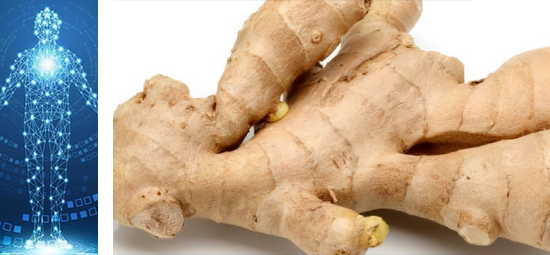
There have been several studies that have investigated the potential antibiotic properties of ginger. Some of these studies have found that ginger can inhibit the growth of certain bacteria, including those that are resistant to conventional antibiotics. However, the evidence is limited, and more research is needed to determine the effectiveness of ginger as an antibiotic.
Ginger is generally considered safe when consumed in food amounts, but consuming large amounts of ginger or taking ginger supplements may cause side effects such as heartburn, diarrhea, and stomach upset. While ginger may have some antimicrobial properties, it should not be used as a replacement for conventional antibiotics.
Here are some of the potential benefits of ginger:
- Reduces nausea and vomiting: Ginger has been shown to be effective in reducing nausea and vomiting, particularly in people undergoing chemotherapy, surgery, or experiencing motion sickness.
- Anti-inflammatory effects: Ginger has anti-inflammatory properties and may help reduce inflammation and pain in conditions such as osteoarthritis, rheumatoid arthritis, and other inflammatory diseases.
- Improves digestion: Ginger may help to improve digestion by increasing the production of digestive juices and enzymes. It can also help to reduce bloating, constipation, and indigestion.
- Boosts immune system: Ginger has immune-boosting properties and may help to protect against infections and diseases.
- Lowers blood sugar: Ginger has been shown to help lower blood sugar levels and improve insulin sensitivity in people with type 2 diabetes.
- Reduces menstrual pain: Ginger has been shown to be effective in reducing menstrual pain and discomfort.
- Improves brain function: Ginger may help to improve brain function and cognitive performance, particularly in older adults.
4.Turmeric
Turmeric is a natural ingredient that has been used for medicinal purposes for thousands of years. It has antimicrobial properties, which means it can help fight against certain bacteria, viruses, and fungi. Some research has suggested that turmeric may have antibiotic properties, but the evidence is not strong enough to conclude that turmeric is a reliable replacement for conventional antibiotics.
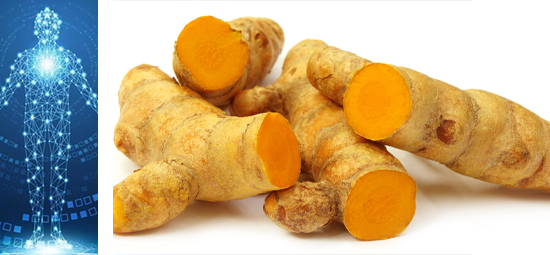
There have been several studies that have investigated the potential antibiotic properties of turmeric. Some of these studies have found that turmeric can inhibit the growth of certain bacteria, including those that are resistant to conventional antibiotics. Turmeric contains a compound called curcumin, which has been shown to have antibacterial and anti-inflammatory properties.
Here are some of the potential benefits of turmeric:
- Anti-inflammatory: Curcumin is a potent anti-inflammatory compound that may help reduce inflammation in the body. It may be helpful in treating conditions such as arthritis, inflammatory bowel disease, and other inflammatory disorders.
- Antioxidant: Turmeric is a potent antioxidant that may help protect the body from damage caused by free radicals. It may help reduce the risk of chronic diseases such as cancer, heart disease, and Alzheimer’s disease.
- Pain relief: Turmeric may help relieve pain, particularly in people with conditions such as arthritis. It may be effective in reducing joint pain and stiffness, as well as other types of pain.
- Digestive health: Turmeric may be beneficial for digestive health. It may help improve digestion, reduce inflammation in the gut, and relieve symptoms of conditions such as irritable bowel syndrome.
- Brain health: Turmeric may be beneficial for brain health. It may help improve memory and cognitive function, and may also have antidepressant effects.
5.Echinacea
Echinacea is a natural herb that has been used for medicinal purposes for centuries. It is often used to help support the immune system and has been shown to have some antimicrobial properties. However, the evidence is not strong enough to conclude that echinacea is a reliable replacement for conventional antibiotics.

There have been several studies that have investigated the potential antibiotic properties of echinacea. Some of these studies have found that echinacea can inhibit the growth of certain bacteria, including those that are resistant to conventional antibiotics. Echinacea has also been shown to have immune-boosting properties that can help the body fight off infections.
Here are some potential benefits of echinacea:
- Boosts immune system: Echinacea is believed to stimulate the immune system and help the body fight off infections. It may help prevent colds and flu, and may reduce the severity and duration of these infections.
- Reduces inflammation: Echinacea has anti-inflammatory properties and may help reduce inflammation in the body. It may be useful in the treatment of conditions such as arthritis and other inflammatory diseases.
- Helps fight respiratory infections: Echinacea has been found to be effective in reducing symptoms of respiratory infections such as bronchitis and sinusitis. It may help relieve congestion, cough, and other symptoms associated with these infections.
- May improve skin health: Echinacea contains compounds that may be beneficial for skin health. It may help reduce inflammation and promote healing of skin conditions such as eczema, psoriasis, and other skin irritations.
- May aid in wound healing: Echinacea has been found to have antibacterial and antifungal properties that may help prevent infections and promote wound healing. It may be effective in the treatment of minor cuts, scrapes, and other skin injuries.
6.Goldenseal

Goldenseal is a medicinal herb that has been traditionally used by Native Americans for a variety of health benefits. Here are some of the potential benefits of goldenseal:
- Supports immune system: There have been several studies that have investigated the potential antibiotic properties of goldenseal. Some of these studies have found that goldenseal can inhibit the growth of certain bacteria, including those that are resistant to conventional antibiotics. Goldenseal contains a compound called berberine, which has been shown to have antibacterial and anti-inflammatory properties..
- Promotes digestive health: Goldenseal is known to promote healthy digestion and improve gut health. It may help reduce inflammation in the gut and relieve symptoms of digestive issues such as diarrhea, constipation, and nausea.
- Supports respiratory health: Goldenseal may help alleviate respiratory problems such as colds, flu, and bronchitis. It has expectorant properties that help loosen mucus and soothe the respiratory tract.
- May have anti-inflammatory effects: Goldenseal contains compounds such as berberine and hydrastine that have anti-inflammatory properties. It may help reduce inflammation in the body and relieve symptoms of inflammatory conditions such as arthritis.
- May support heart health: Goldenseal may help support heart health by reducing high blood pressure and cholesterol levels. It may also help improve circulation and prevent the development of cardiovascular disease.
7.Oregano oil
Oregano oil is a natural ingredient that has been used for medicinal purposes for centuries. It has antimicrobial properties, which means it can help fight against certain bacteria, viruses, and fungi. Oregano oil contains compounds such as carvacrol and thymol, which have been shown to have antibacterial and antifungal properties.
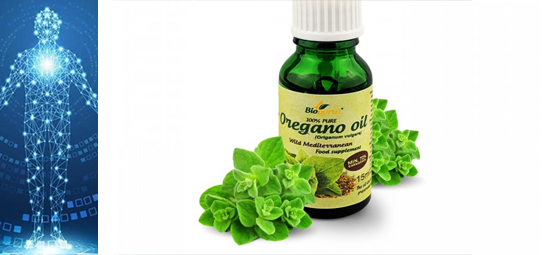
There have been several studies that have investigated the potential antibiotic properties of oregano oil. Some of these studies have found that oregano oil can inhibit the growth of certain bacteria, including those that are resistant to conventional antibiotics. Oregano oil has been shown to be effective against a variety of pathogens, including E. coli, Salmonella, and Staphylococcus aureus.
Some of the potential health benefits of oregano oil include:
- Immune system support: Oregano oil has been suggested to support the immune system and reduce the risk of infections, but more research is needed to confirm this.
- Anti-inflammatory properties: Oregano oil contains compounds that may have anti-inflammatory properties, potentially reducing inflammation and symptoms of inflammatory conditions.
- Antioxidant properties: Oregano oil is high in antioxidants, which can help to protect against cellular damage and reduce the risk of chronic diseases.
- Digestive health: Oregano oil has been traditionally used to improve digestion and alleviate symptoms of digestive issues such as bloating, gas, and diarrhea.
- Respiratory support: Oregano oil may help to reduce inflammation and infection in the respiratory system, potentially improving symptoms of conditions such as asthma and bronchitis.
8.Grapefruit seed extract
Grapefruit seed extract (GSE) is a natural extract that is derived from the seeds, pulp, and white membranes of grapefruit. It has been marketed as a natural antibiotic and antimicrobial agent, and is often used as a dietary supplement. However, the evidence supporting the use of GSE as an antibiotic is limited and controversial.

Some studies have suggested that GSE may have antimicrobial properties, including antibacterial, antifungal, and antiviral activity. These properties are thought to be due to the presence of compounds such as naringenin and hesperidin, which are found in grapefruit. However, other studies have failed to find significant antimicrobial activity of GSE.
potential benefit benefits of grapefruit seed extract include:
- Immune system support: Grapefruit seed extract has been suggested to support the immune system and reduce the risk of infections, but more research is needed to confirm this.
- Digestive health: Grapefruit seed extract has been traditionally used to improve digestion and alleviate symptoms of digestive issues such as bloating, gas, and diarrhea.
- Skin health: Grapefruit seed extract can be used topically for various skin issues such as acne and fungal infections due to its antimicrobial properties.
- Preservative: Grapefruit seed extract is sometimes used as a natural preservative in foods and cosmetics.
9.Tea tree oil
Tea tree oil is a natural essential oil derived from the leaves of the tea tree (Melaleuca alternifolia) that has been traditionally used for its antimicrobial and anti-inflammatory properties. While it has been shown to have some antibacterial and antifungal effects, it is not classified as an antibiotic.

Antibiotics are a specific class of medications that are designed to kill or inhibit the growth of bacteria, while tea tree oil is a natural product that can help support the body’s immune system and provide some antimicrobial benefits.
There is some evidence that tea tree oil may be effective against certain strains of bacteria, such as Staphylococcus aureus and Escherichia coli, as well as some fungi such as Candida albicans. However, the evidence is still limited and further research is needed to confirm its effectiveness and safety for use as a treatment for bacterial or fungal infections.
Some of the potential benefits of tea tree oil include:
- Skin health: Tea tree oil is commonly used topically to improve various skin conditions such as acne, eczema, and psoriasis due to its anti-inflammatory and antimicrobial properties.
- Wound healing: Tea tree oil has been suggested to promote wound healing due to its antibacterial and anti-inflammatory properties.
- Immune system support: Tea tree oil has been suggested to support the immune system and reduce the risk of infections, but more research is needed to confirm this.
- Respiratory health: Tea tree oil may help to reduce inflammation and infection in the respiratory system, potentially improving symptoms of conditions such as bronchitis and sinusitis.
- Oral health: Tea tree oil has been suggested to have antibacterial properties that may help to improve oral health and reduce the risk of oral infections.
10.Colloidal silver
Colloidal silver is a liquid suspension of microscopic silver particles in water that has been used for various medicinal purposes for centuries. While it has been claimed to have antimicrobial properties, it is not classified as an antibiotic.

In fact, the use of colloidal silver as a medical treatment has been controversial, and the U.S. Food and Drug Administration (FDA) has warned against the use of colloidal silver products for medical purposes. The FDA has also taken legal action against companies that have claimed that their colloidal silver products can treat or cure diseases, as there is no scientific evidence to support these claims.
Moreover, the use of colloidal silver can also lead to a condition called argyria, which is a rare condition in which the skin turns blue-gray in color due to the accumulation of silver particles in the body.
Some of the potential health benefits of colloidal silver include:
- Wound healing: Colloidal silver has been traditionally used as a natural remedy for wound healing. Its antibacterial properties may help to prevent infection and promote healing.
- Immune system support: Colloidal silver has been shown to have immunomodulatory properties, potentially helping to support the immune system and reduce the risk of infections.
- Skin health: Colloidal silver can be used topically for various skin issues such as acne and eczema due to its antimicrobial and anti-inflammatory properties.
- Respiratory support: Colloidal silver may help to reduce inflammation and infection in the respiratory system, potentially improving symptoms of conditions such as asthma and bronchitis.
- Oral health: Colloidal silver can be used as a natural mouthwash due to its antibacterial properties, potentially reducing the risk of gum disease and other oral infections.
11.Cinnamon
Cinnamon is a natural ingredient that is known to have antimicrobial properties, which means it can be effective in fighting against certain types of bacteria, fungi, and viruses. However, it is important to note that cinnamon is not a broad-spectrum antibiotic and its effectiveness may vary depending on the specific strain of bacteria being targeted.

Studies have suggested that cinnamon oil and cinnamon extracts can inhibit the growth of some bacteria, such as Escherichia coli, Staphylococcus aureus, and Salmonella typhi. Cinnamon can also help prevent the growth of fungi, such as Candida albicans.
Here are some of the potential benefits of cinnamon:
- Anti-inflammatory properties: Cinnamon contains antioxidants that have anti-inflammatory effects, which may help reduce inflammation and the risk of chronic diseases.
- Anti-microbial properties: Cinnamon has been shown to have antimicrobial properties that can help fight against bacteria, viruses, and fungi.
- Improved heart health: Cinnamon has been found to have positive effects on heart health, such as reducing blood pressure, cholesterol levels, and triglycerides.
- Lower blood sugar: Cinnamon has been shown to have a positive effect on blood sugar levels by improving insulin sensitivity and reducing blood sugar spikes after meals.
- Improved brain function: Some studies have suggested that cinnamon may improve brain function and memory, although more research is needed.
- Anti-cancer properties: Some studies have suggested that cinnamon may have anti-cancer properties, although more research is needed to fully understand its potential in cancer prevention and treatment.
12.Coconut oil
Coconut oil is a type of plant-based oil that has been claimed to have antibacterial, antifungal, and antiviral properties. However, the scientific evidence supporting these claims is limited and conflicting.
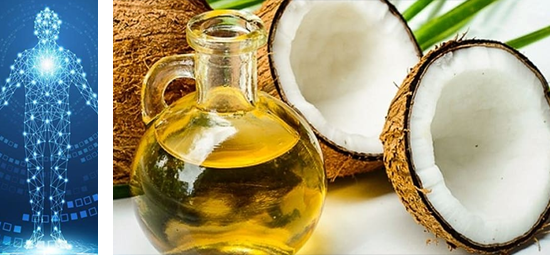
While some studies have found that coconut oil has antibacterial properties and can inhibit the growth of certain bacteria, such as Staphylococcus aureus, other studies have found no significant antibacterial effects of coconut oil.
Some of the potential health benefits of coconut oil include:
- Improving heart health: Coconut oil may help to increase HDL (good) cholesterol levels and reduce LDL (bad) cholesterol levels, potentially reducing the risk of heart disease.
- Boosting brain function: Coconut oil contains medium-chain triglycerides (MCTs) which can be metabolized by the liver to produce ketones, which may help to improve brain function and potentially reduce the risk of neurological diseases such as Alzheimer’s.
- Weight management: Coconut oil may help to increase feelings of fullness, reduce calorie intake, and boost metabolism, potentially aiding in weight management.
- Anti-bacterial and anti-fungal properties: Coconut oil contains lauric acid, which has been shown to have anti-bacterial and anti-fungal properties, making it useful for skin and oral health.
- Skin health: Coconut oil can be used as a natural moisturizer and has been shown to have anti-inflammatory and antimicrobial properties, making it useful for various skin issues.
- Improving digestion: Coconut oil may help to improve digestion, reduce inflammation in the gut, and potentially alleviate symptoms of digestive issues such as irritable bowel syndrome (IBS).
13.Apple cider vinegar (ACV)
Apple cider vinegar (ACV) is a type of vinegar made from fermented apples. While some people claim that apple cider vinegar has antibacterial properties and can be used as a natural antibiotic, there is limited scientific evidence to support these claims.

Some studies have suggested that apple cider vinegar may have antimicrobial properties and can inhibit the growth of certain types of bacteria, such as E. coli and Staphylococcus aureus. However, the evidence is still limited and more research is needed to determine the effectiveness of apple cider vinegar as an antibiotic.
Some of the potential health benefits of ACV include:
- Lowering blood sugar levels: ACV may help to lower blood sugar levels and improve insulin sensitivity, making it a potentially useful supplement for people with type 2 diabetes.
- Weight management: ACV may help to reduce appetite, increase feelings of fullness, and reduce calorie intake, potentially helping with weight management.
- Digestive health: ACV may have beneficial effects on the digestive system, helping to relieve symptoms of digestive issues such as bloating and constipation.
- Anti-bacterial and anti-fungal properties: ACV has been shown to have anti-bacterial and anti-fungal properties, which may help to fight off harmful bacteria and fungi in the body.
- Skin health: ACV has been traditionally used as a natural remedy for various skin issues such as acne, dandruff, and sunburn. Its anti-inflammatory and antimicrobial properties may help to soothe and protect the skin.
- Heart health: ACV may help to lower blood pressure, cholesterol levels, and reduce the risk of heart disease.
14.Aloe vera
Aloe vera is a succulent plant that is commonly used for its many health benefits, including its antimicrobial properties. Aloe vera has been shown to have antibacterial, antifungal, and antiviral properties, which may make it effective in fighting infections caused by these types of microorganisms.

Studies have suggested that aloe vera gel can inhibit the growth of some bacteria, such as Staphylococcus aureus, Escherichia coli, and Pseudomonas aeruginosa. Aloe vera has also been found to have antifungal properties and may be effective in treating fungal infections, such as ringworm and athlete’s foot.
In addition to its antimicrobial properties, aloe vera is also known for its anti-inflammatory and wound-healing effects. It has been used topically to promote healing of minor burns, cuts, and other skin irritations.
15.Clove
Clove is a spice that has been used in traditional medicine for its potential health benefits. Some studies have suggested that clove may have antimicrobial properties and can inhibit the growth of certain types of bacteria, such as Staphylococcus aureus, Streptococcus mutans, and Pseudomonas aeruginosa.
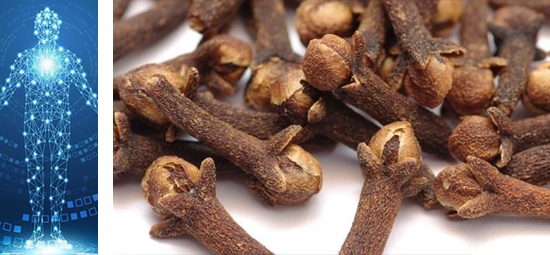
Some of the potential benefits of clove include:
- Dental health: Clove has been traditionally used to treat dental issues, such as toothaches and gum disease. It has analgesic and antimicrobial properties that may help to reduce pain and inhibit the growth of bacteria in the mouth.
- Digestive health: Clove has been traditionally used to treat digestive issues, such as indigestion and bloating.
- Anti-inflammatory properties: Clove has been shown to have anti-inflammatory properties, which may help to reduce inflammation in the body and potentially alleviate conditions such as arthritis.
- Antioxidant properties: Clove has been shown to have antioxidant properties, which may help to protect cells from damage caused by free radicals.
- Respiratory health: Clove has been traditionally used to treat respiratory issues, such as coughs and asthma. It has expectorant properties that may help to loosen phlegm and relieve coughs.
- Skin health: Clove has been traditionally used to treat skin conditions, such as acne and eczema. It has anti-inflammatory and antimicrobial properties, which may help to soothe and protect the skin.
16.Thyme
Thyme is a herb that has been used in traditional medicine for its potential health benefits. Some studies have suggested that thyme may have antimicrobial properties and can inhibit the growth of certain types of bacteria, such as Escherichia coli, Staphylococcus aureus, and Salmonella enterica.

Some of the potential benefits of thyme include:
- Respiratory health: Thyme has been traditionally used to treat respiratory issues, such as coughs, bronchitis, and chest congestion. It has expectorant properties that may help to loosen phlegm and relieve coughs.
- Anti-inflammatory properties: Thyme has been shown to have anti-inflammatory properties, which may help to reduce inflammation in the body and potentially alleviate conditions such as arthritis.
- Digestive health: Thyme has been traditionally used to treat digestive issues, such as indigestion and bloating.
- Antimicrobial properties: Thyme has been shown to have antimicrobial properties and may help inhibit the growth of certain types of bacteria and fungi.
- Antioxidant properties: Thyme has been shown to have antioxidant properties, which may help to protect cells from damage caused by free radicals.
- Skin health: Thyme has been traditionally used to treat skin conditions, such as acne and eczema. It has anti-inflammatory and antimicrobial properties, which may help to soothe and protect the skin.
17.Sage
Sage is a herb that has been used in traditional medicine for its potential health benefits. Some studies have suggested that sage may have antimicrobial properties and can inhibit the growth of certain types of bacteria, such as Staphylococcus aureus, Streptococcus mutans, and Escherichia coli.

Some of the potential benefits of sage include:
- Cognitive function: Sage has been shown to have potential benefits for cognitive function, potentially improving memory, attention, and mood.
- Anti-inflammatory properties: Sage has been shown to have anti-inflammatory properties, which may help to reduce inflammation in the body and potentially alleviate conditions such as arthritis.
- Digestive health: Sage has been traditionally used to treat digestive issues, such as indigestion and bloating.
- Respiratory health: Sage has been shown to have potential benefits for respiratory health, including reducing symptoms of asthma and promoting healthy lung function.
- Antioxidant properties: Sage has been shown to have antioxidant properties, which may help to protect cells from damage caused by free radicals.
- Menopausal symptoms: Sage has been traditionally used to alleviate hot flashes and other menopausal symptoms.
18.Rosemary
Rosemary is a herb that has been used in traditional medicine for its potential health benefits. Some studies have suggested that rosemary may have antimicrobial properties and can inhibit the growth of certain types of bacteria, such as Escherichia coli and Staphylococcus aureus.

Some of the potential benefits of rosemary include:
- Cognitive function: Rosemary has been shown to have potential benefits for cognitive function, potentially improving memory and alertness.
- Anti-inflammatory properties: Rosemary has been shown to have anti-inflammatory properties, which may help to reduce inflammation in the body and potentially alleviate conditions such as arthritis.
- Digestive health: Rosemary has been traditionally used to treat digestive issues, such as indigestion and bloating.
- Respiratory health: Rosemary has been shown to have potential benefits for respiratory health, including reducing symptoms of asthma and promoting healthy lung function.
- Antioxidant properties: Rosemary has been shown to have antioxidant properties, which may help to protect cells from damage caused by free radicals.
- Hair health: Rosemary has been traditionally used to promote hair growth and improve hair health.
19.Neem oil
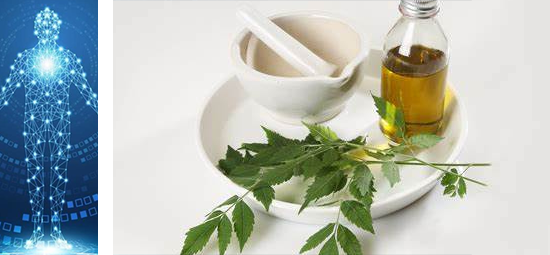
Neem oil is an extract from the seeds of the neem tree and has been used in traditional medicine for its potential health benefits. Some of the potential benefits of neem oil include:
- Antimicrobial properties: Some studies have suggested that neem oil may have antimicrobial properties and can inhibit the growth of certain types of bacteria, such as Staphylococcus aureus and Escherichia coli.
- Skin health: Neem oil has been traditionally used to treat a variety of skin conditions, such as acne, eczema, and psoriasis. It has anti-inflammatory and antioxidant properties, which may help soothe and protect the skin.
- Oral health: Neem oil has been shown to have potential benefits for oral health, such as reducing plaque and gingivitis.
- Insect repellent: Neem oil has natural insect repellent properties and can be used to repel insects such as mosquitoes and ticks.
- Wound healing: Neem oil has been shown to have potential benefits for wound healing, potentially helping to reduce inflammation and promote the growth of new tissue.
20.Andrographis
Some studies have suggested that andrographis may have antimicrobial properties and can inhibit the growth of certain types of bacteria, such as Streptococcus pneumoniae and Staphylococcus aureus.

It’s worth noting that while some of these substances have been studied for their potential antimicrobial properties, research is still ongoing and it’s important to use them with caution and under the guidance of a healthcare professional.
Some of the potential benefits of andrographis include:
- Immune system support: Andrographis has been shown to support the immune system, potentially helping to reduce the risk of infections.
- Anti-inflammatory effects: Andrographis has been shown to have anti-inflammatory effects, which may help to reduce inflammation in the body and potentially alleviate conditions such as arthritis and inflammatory bowel disease.
- Antioxidant properties: Andrographis has been shown to have antioxidant properties, which may help to protect cells from damage caused by free radicals.
- Digestive health: Andrographis has been traditionally used to treat digestive issues, such as diarrhea and dyspepsia.
- Respiratory health: Andrographis has been shown to have potential benefits for respiratory health, including reducing symptoms of the common cold and flu.